Keeping Your Pergola Warm (Without Everything Shorting Out)
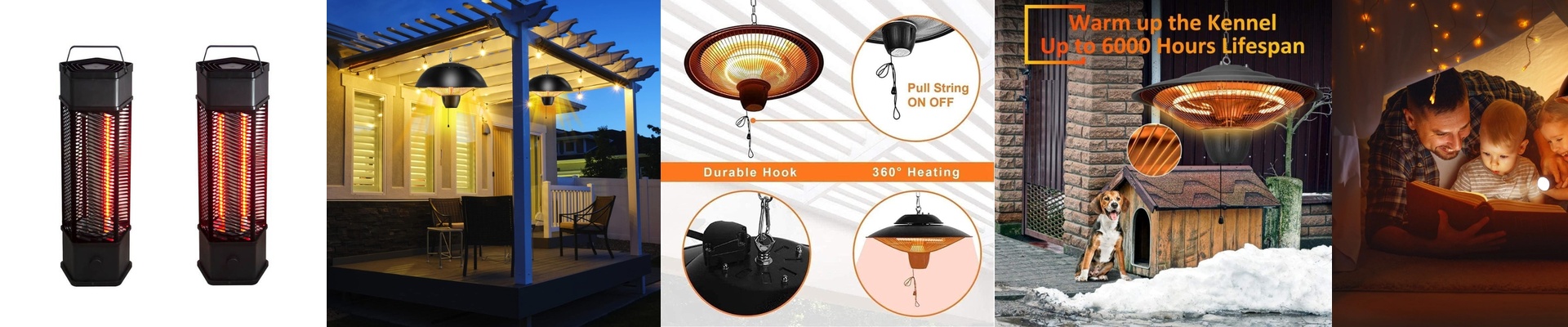
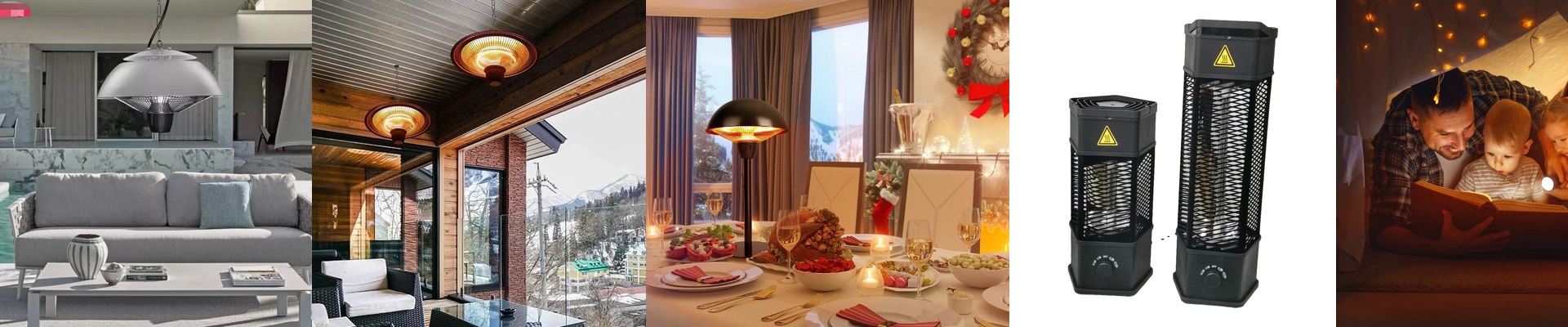
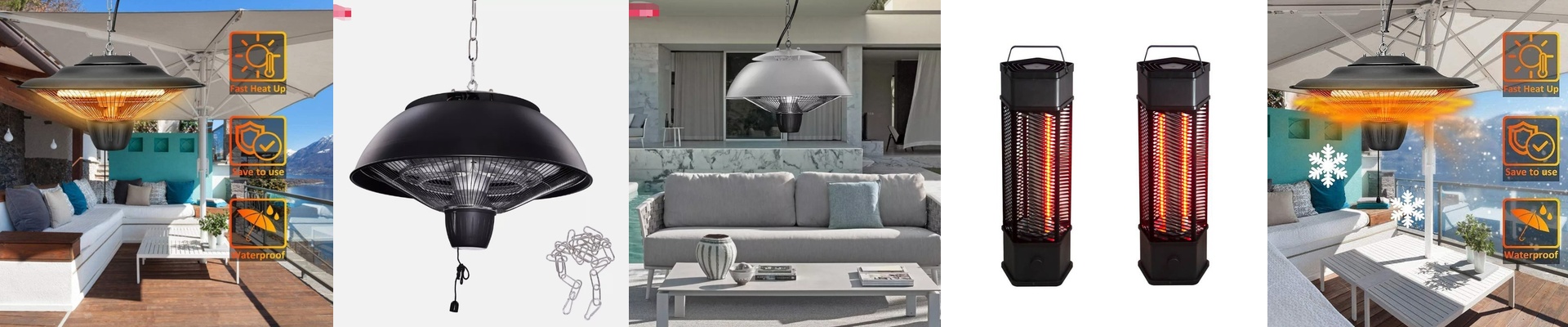
If you’ve ever tried putting a standard indoor heater under a pergola, you know how it goes. A little bit of rain, some morning dew, or just a humid evening, and suddenly your heater is a very expensive piece of scrap metal. Water and electricity don’t mix. Period. That’s why we build our outdoor units differently. We’re not just adding a cover; we’re rethinking how the heater survives the elements. Stopping the leaks The real battle is won or lost at the seal. We spend a lot of time on the gaskets and the housing because that’s where the trouble starts. If water drips onto the electrical terminals, you’re looking at a short circuit and a dead heater. We design our enclosures to divert water away from the core. It’s simple, but it’s the only way to make sure your hardware actually lasts more than one season. Dealing with the fog Then there’s the condensation. You know that annoying fog that happens when hot air hits a cold, damp night? It doesn’t just look bad—it can actually be dangerous. If moisture traps heat on the lens, that quartz tube can overheat and just… snap. To stop that, we use specific coatings and airflow paths. It keeps the surface clear so the heat goes where it’s supposed to: on you, not trapped inside the machine. The trade-off Here is the honest truth: waterproofing makes things bulkier. A sealed unit can’t “breathe” as easily as an open-frame heater, which means the internal driver gets hotter. Because of that, you can’t just jam these into a tight ceiling gap. You need to give them some breathing room. If you mount them too close to the pergola roof, the heat builds up, the safety switch trips, and your heater shuts down right when you’re shivering. Give it some space. One last thing on installation We’ve made these “drop-in” ready, but please—use the weather-resistant wiring we provide. I’ve seen people use standard indoor cables to save a few bucks. Don’t do that. The sun’s UV rays and the rain will eat through that insulation in no time. You can have the most waterproof heater in the world, but if your wires are fraying in the wind, it doesn’t matter. Stick with outdoor-rated conduits and you’ll be set for years.