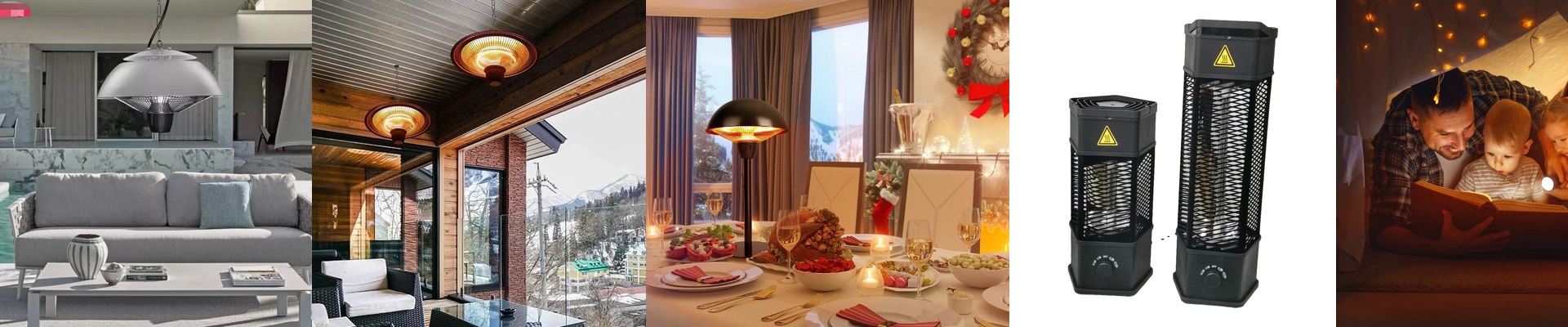
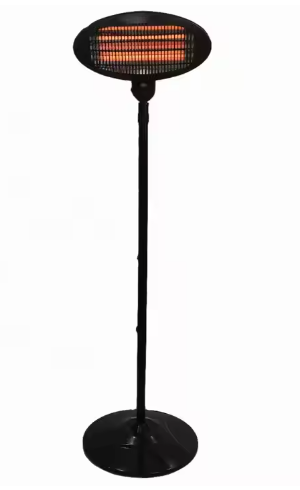
Making Your Patio Warm (and Smart)
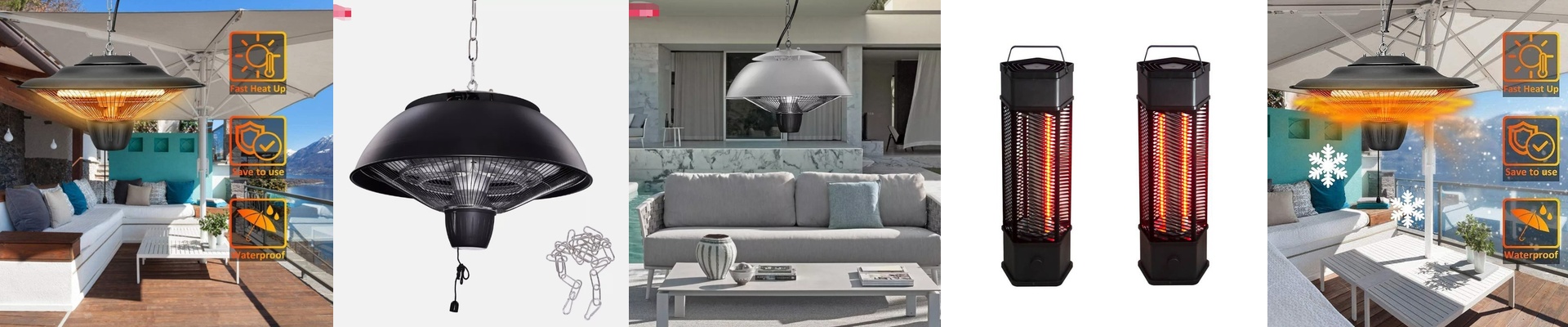
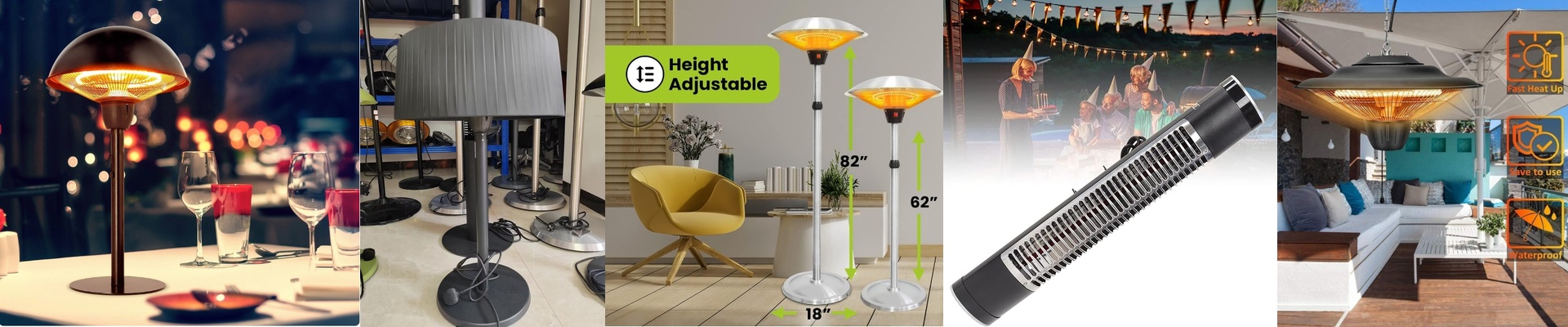
If you’ve ever tried to heat a patio with a standard space heater, you know the struggle. The wind just blows the warmth away before it even hits you. That’s why we use infrared. Instead of trying to warm up the air—which is basically a losing battle outdoors—these heaters send heat directly to you. It’s more like the feeling of standing in the sun on a crisp October morning. And when you hook these up to a smart home system? You stop messing with clunky wall switches and start controlling the vibe of your backyard from your phone.
Heat That Actually Happens Now
Most heaters are slow. You turn them on, wait twenty minutes, and hope for the best. Infrared is different. Because we use quartz tubes and tungsten filaments, the heat is basically instant. The second that smart relay clicks over, you feel it. It’s a great feeling. You can be sitting on your deck, feel a chill hit, and tap an app to bring the “springtime” warmth back immediately. Since it uses photons rather than hot air, the wind doesn’t stand a chance.
Rain, Humidity, and Hubs
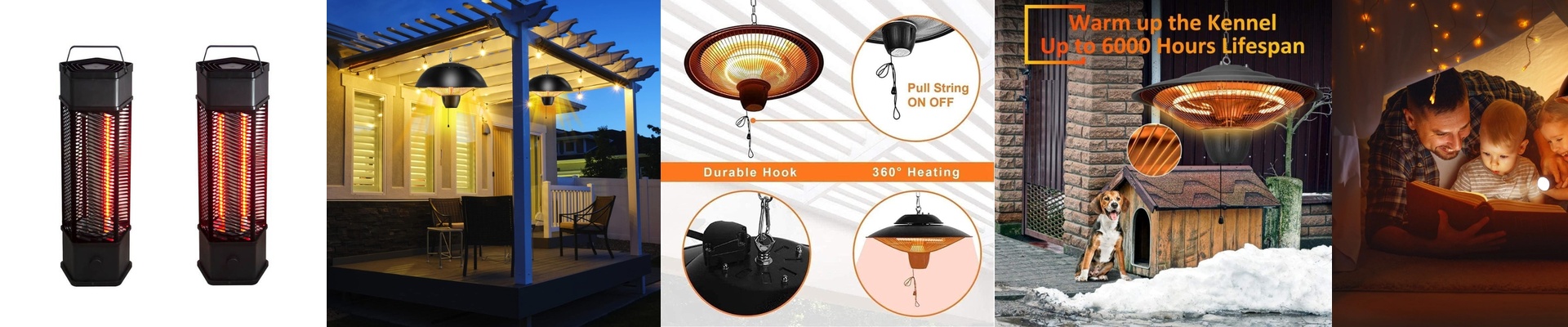
Obviously, putting electronics outside is a bit risky. That’s why we seal everything in weather-resistant housings. We make sure they’re IP-rated so a heavy rainstorm doesn’t turn your patio into a giant short circuit. Connecting them to your home is the easy part. We use Wi-Fi or Zigbee relays that talk to your central hub. You can get pretty creative here. You could set them to kick in automatically when a temperature sensor hits 50 degrees, or just schedule them to be warm and ready by the time you pour your first glass of wine at 6 PM.
A Couple of Things to Watch Out For
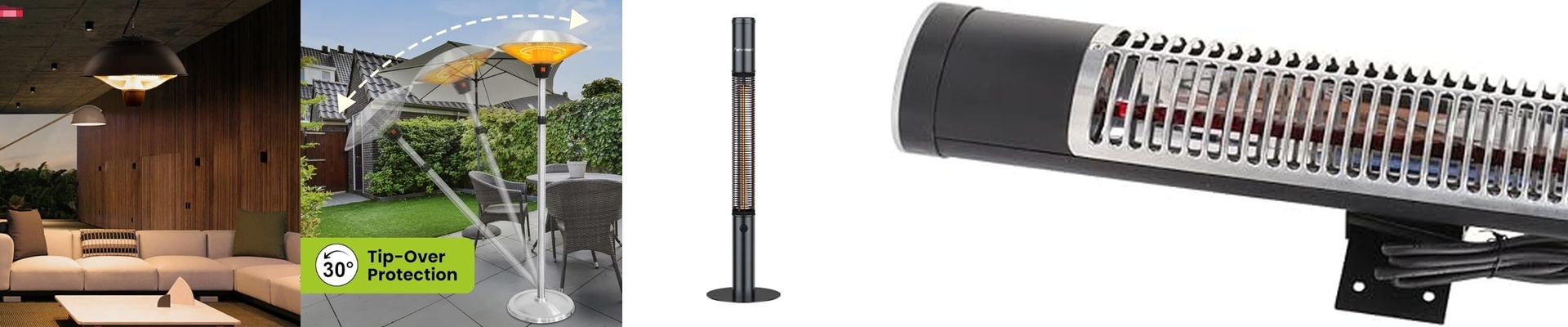
Here’s the catch: these things pull a lot of power. If you’re planning to install a few of these, please don’t just plug them into any old extension cord. You need the right wiring to handle the load. Using thin wires is a recipe for voltage drops—or worse, a fire. Also, since the heat is so intense, it can be a bit blinding if you’re staring right at it. We usually suggest mounting them at least 2.5 meters up. It keeps the glare out of your eyes and makes sure you don’t accidentally singe your skin.