Making Your Pergola Actually Warm (And Smart)
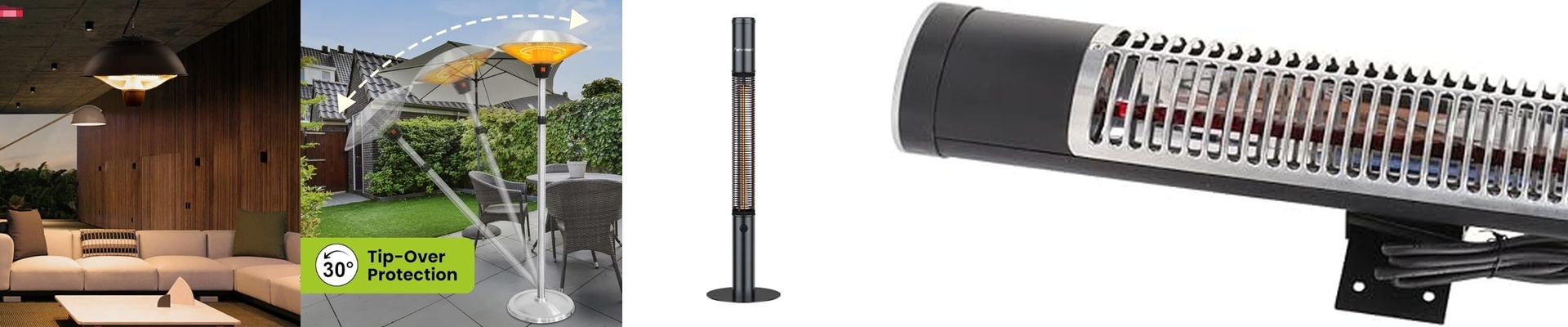
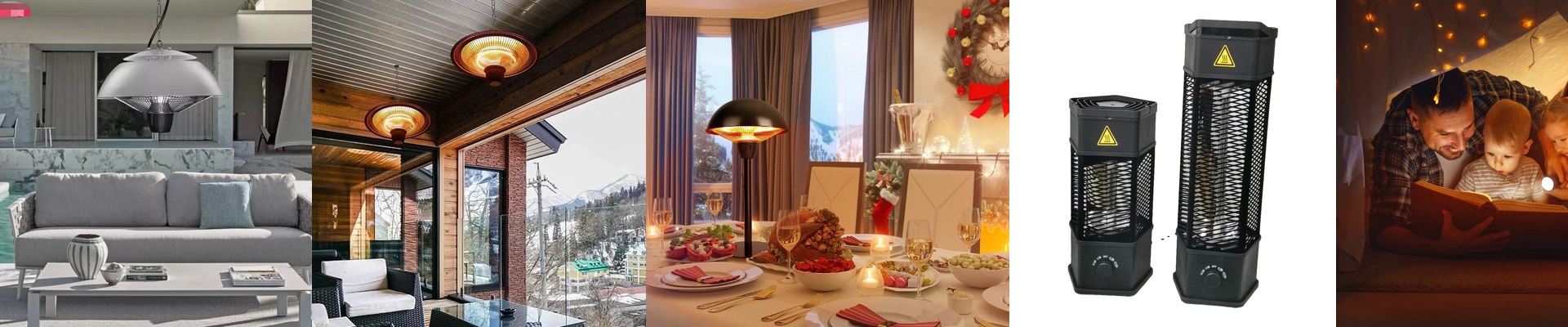
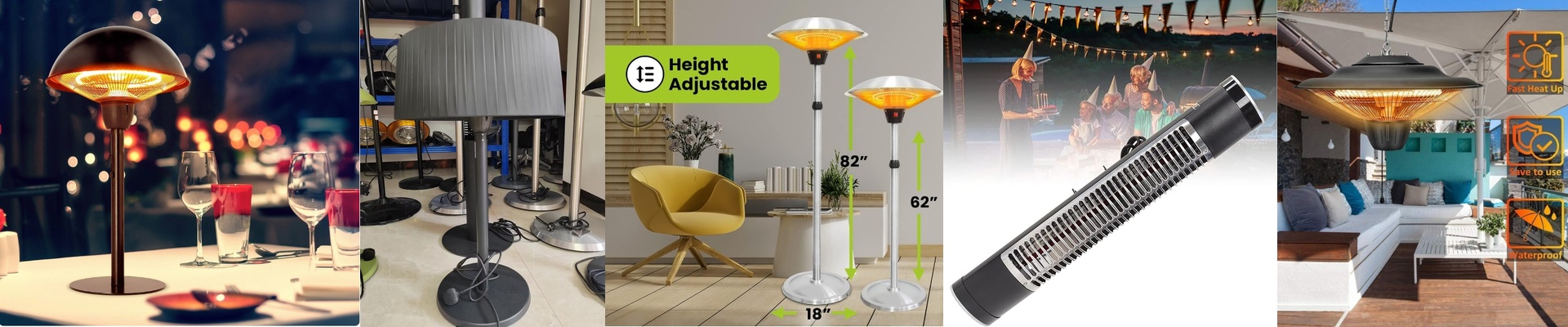
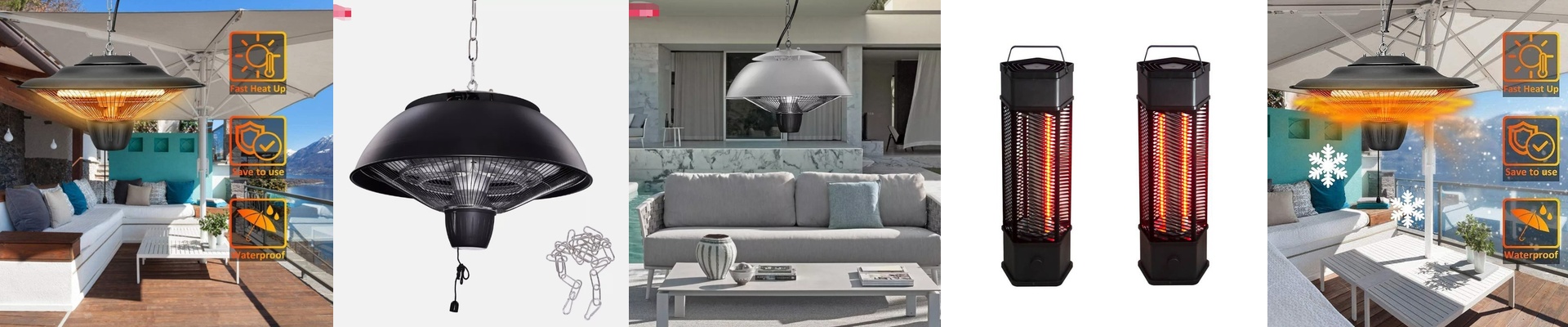
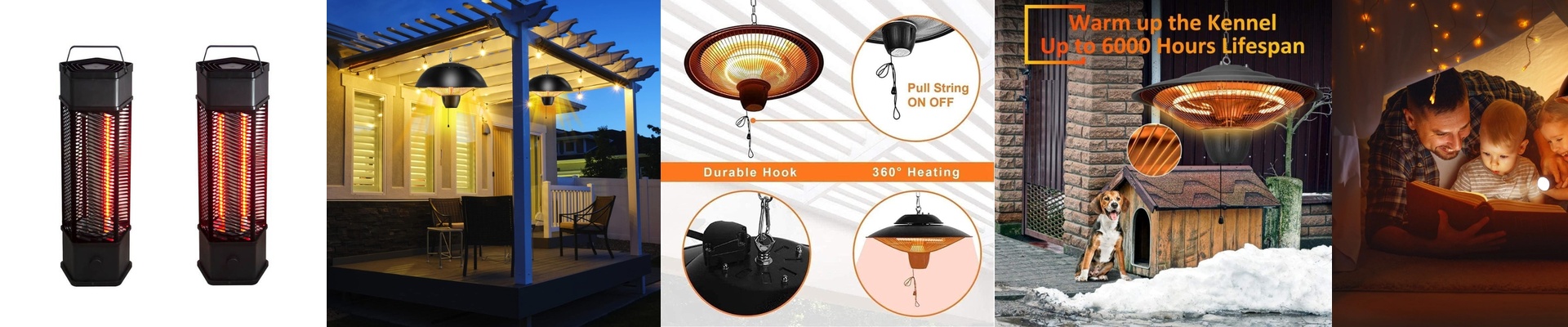
If you’ve ever tried to heat an outdoor pergola, you know the struggle. You turn on a heater, and the warmth just… vanishes into the night air. It’s frustrating. That’s why we stick with short-wave infrared emitters. Instead of trying to heat the entire outdoors (which is a losing battle), these things beam heat directly onto you and your guests. It feels like sitting in the sun on a crisp October morning. Immediate. Cozy.
Getting the “Brain” Right
The goal is to make it feel like magic. You don’t want to be fumbling with five different apps just to get warm. We usually wire the lamps through a heavy-duty smart relay that talks to whatever system you’re already using—whether that’s Zigbee, Matter, or just your home Wi-Fi. But we don’t just leave it as a remote switch. We add sensors. Here’s how it works: once the temperature drops below a certain point, the heaters just kick in. You don’t even have to think about it. One quick warning: these heaters pull a lot of power. I’ve seen too many people use thin wiring to save a few bucks, only to find their heaters barely putting out any warmth because of voltage drops.**Don’t skimp on the wire gauge.**Just get the heavy stuff.
Dealing with the Elements
Rain, dust, and humidity are basically the enemies of electronics. To keep things from frying, we use IP-rated enclosures. The quartz tubes are the sensitive part. If a cold raindrop hits that red-hot glass? Crack. It’s over. We use shields to make sure that never happens. Also, keep in mind that these units get incredibly hot. Make sure your mounting brackets are made of high-quality, heat-resistant alloys. You don’t want your hardware warping or sagging after a few seasons of use.
The “What If” Factor
Smart homes are great until the internet goes down. There’s nothing worse than freezing in your own backyard because your hub decided to update itself at 8 PM. Because of that, we always put in a physical override switch. A real, tactile button. If the network crashes, you just hit the switch and you’re warm. Just a heads-up: when multiple heating zones kick on at the exact same second, it creates a massive surge of power. Make sure your electrical panel is up for the task so you aren’t tripping breakers every time the sun goes down.