
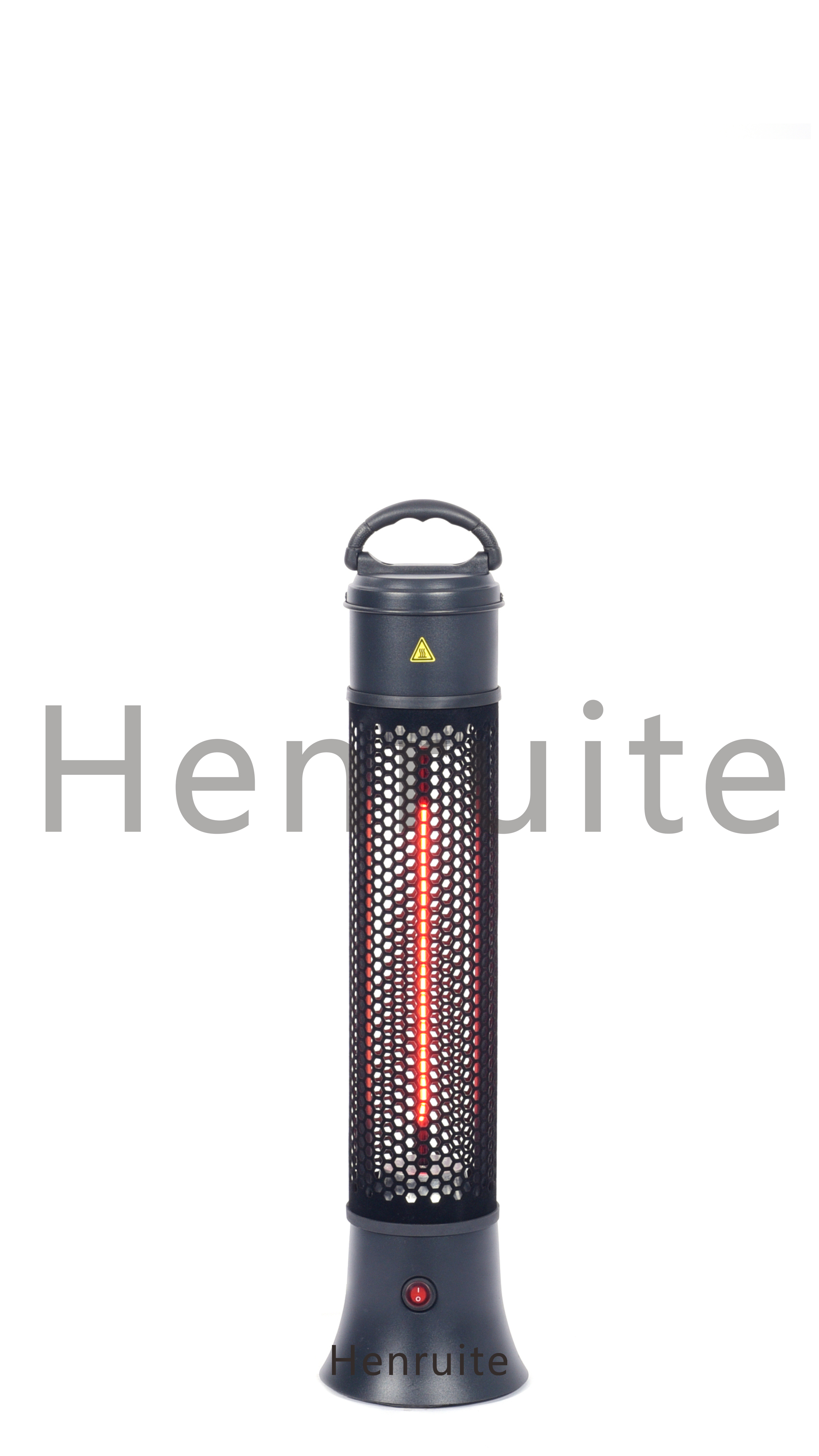
Why Your Bathroom Heater Needs Quartz (And Why It Matters)
If you’ve ever put a heater in a shower or out on a patio, you know the biggest enemy is water. It’s not just about a few splashes; it’s about what happens when a cold drop of water hits a surface that’s glowing hot. That’s usually where things go south. An IP65 rating is great for keeping the guts of the machine dry, but the heating element itself? That needs its own kind of armor. That’s where explosion-proof quartz tubing comes in.
The magic of quartz
Think about a regular glass cup. If you pour boiling water into a cold glass, it might crack. Now imagine that on a massive scale—a cold droplet hitting a surface at 600°C. Standard glass would just shatter. We use high-purity quartz because it doesn’t freak out when the temperature swings. It doesn’t expand or shrink violently. When we call it “explosion-proof,” we really just mean it won’t blow apart under extreme stress. Because if a tube pops in your bathroom, you aren’t just looking at a broken heater. You’re looking at shards of glass and live electrical filaments. Not exactly the vibe you want for a relaxing shower.
Keeping it cool (mostly)
The IP65 seal handles the dust and keeps water jets away from the electrical terminals. But we go a step further. By using shortwave infrared lamps, the heat moves via radiation. Essentially, the heat jumps straight to you rather than heating up the air around the unit. This means the outer chassis stays relatively cool to the touch, while you get a blast of intense heat in a tiny footprint.
The trade-off: Power vs. Longevity
Here is the catch. If you push more wattage through a shorter tube, it gets hotter. It dries things faster, sure, but it puts a lot of strain on the tungsten filament inside. If you want your heater to actually last, keep your voltage stable. Even a tiny 5% spike in your power line can eat away hundreds of hours of the lamp’s life. It’s a subtle thing, but it adds up. Just make sure you wire these into a dedicated circuit with a GFCI breaker. The IP65 shell protects the hardware, but the quartz is what actually keeps you safe.