
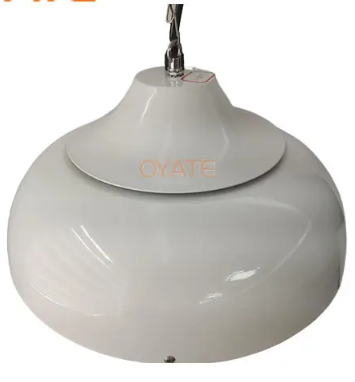
Stop the Bathroom Damp: Why Infrared Actually Works
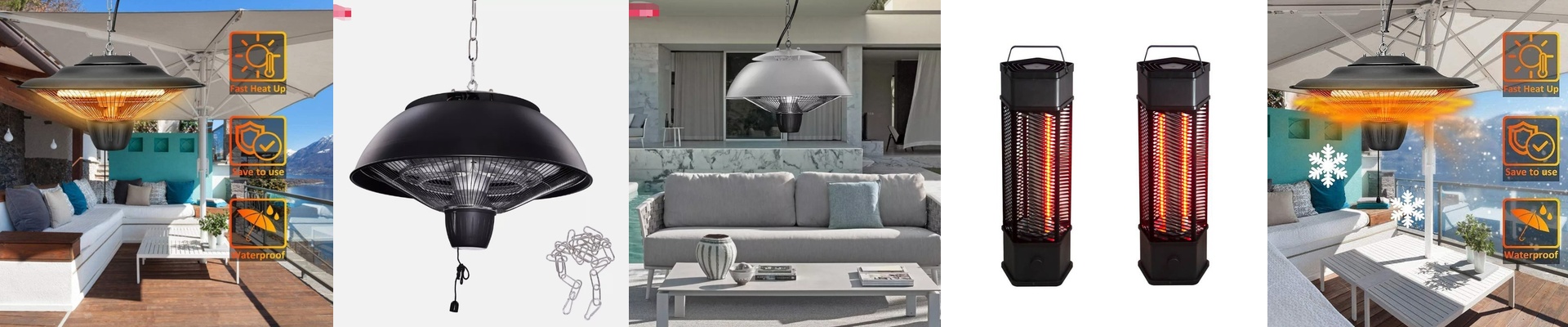
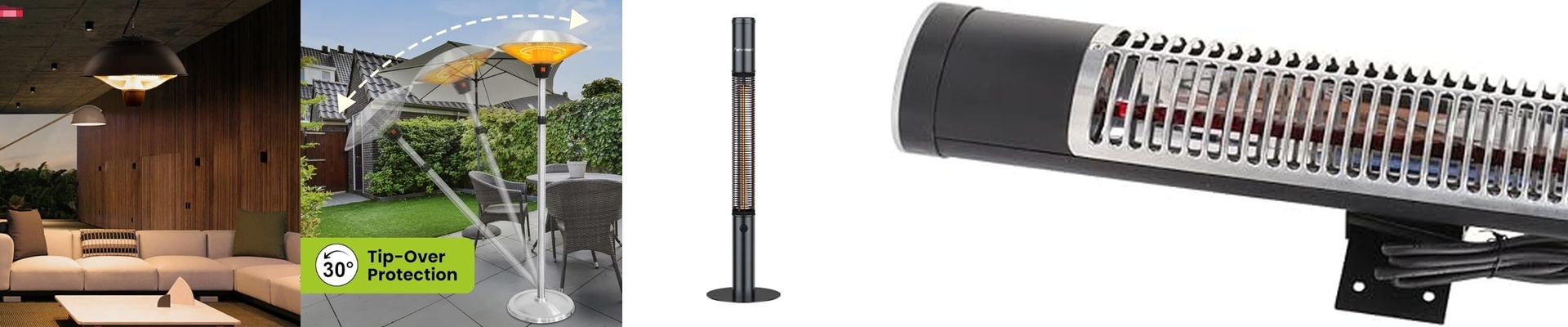
Most of us think of a bathroom heater as just a way to keep from shivering when we step out of the shower. But if you look at it from an engineering perspective, an IP55-rated infrared lamp is actually a secret weapon for fighting moisture. We didn’t just build these to warm up the air. We built them to go after the water molecules sitting on your walls and tiles, killing mold before it even has a chance to start.
How the heat actually works
Here’s the thing about standard heaters: they warm the air. The problem is, that air often hits a cold wall and turns right back into condensation. Our lamps do things differently. They use short-wave radiation that sinks into the surface of your tiles and grout. By getting the walls themselves warm—above what we call the “dew point”—water simply can’t pool there. We’ve tuned the light spectrum to target water specifically. When that light hits a damp spot, the water evaporates fast. It basically turns your heater into a secondary dehumidifier. Since mold spores need stagnant water to survive, we just take the water away. Simple as that.
Built for the steam
Bathrooms are honestly brutal on electronics. Between the thick steam and the occasional splash, most gear just shorts out or corrodes. That’s why we stuck to IP55 standards. In plain English? The housing blocks out dust and can handle water jets coming from any direction. We use heavy-duty quartz glass and tight seals to keep the guts of the machine bone-dry. Just a heads-up on the install: you can hook these into your usual bathroom circuits, butplease make sure your grounding is perfect. These lamps pull a lot of current to get that specific heat output, so you don’t want to cut corners with the wiring.
A quick reality check
There is one trade-off. Because these lamps pack such a punch, they create a lot of localized heat. If you’re in a tiny bathroom and your ventilation fan isn’t running, it can get stifling in there pretty quickly. You need some airflow to carry that evaporated moisture out of the room. Otherwise, you’re just moving the water from your walls up to your ceiling.