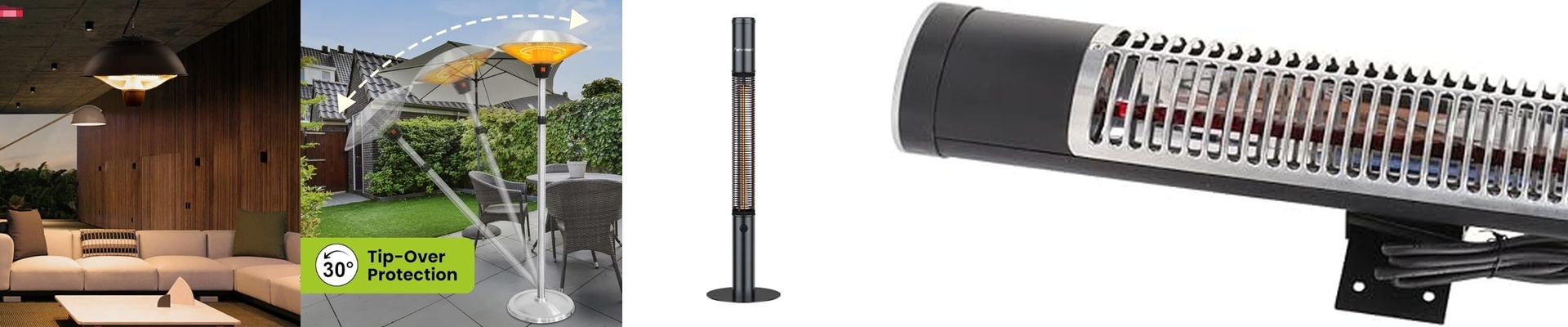
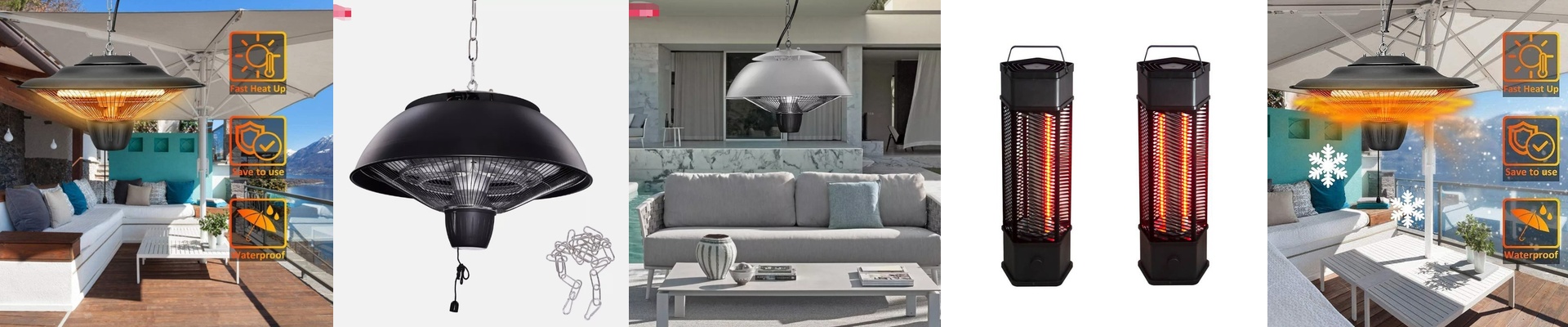
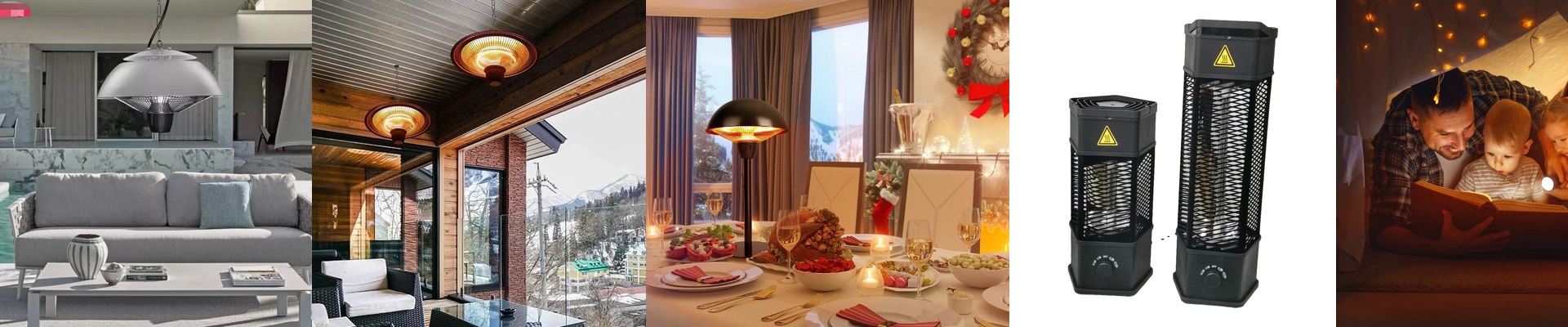
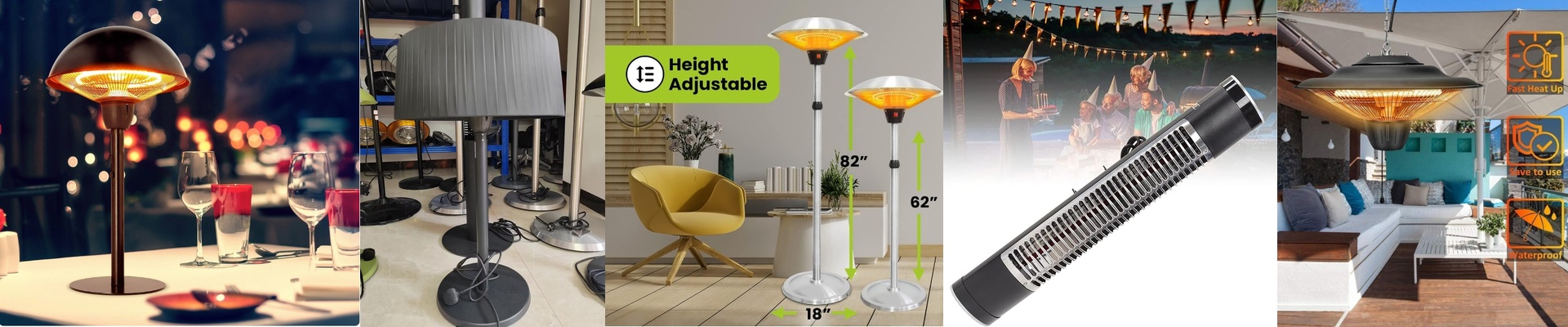
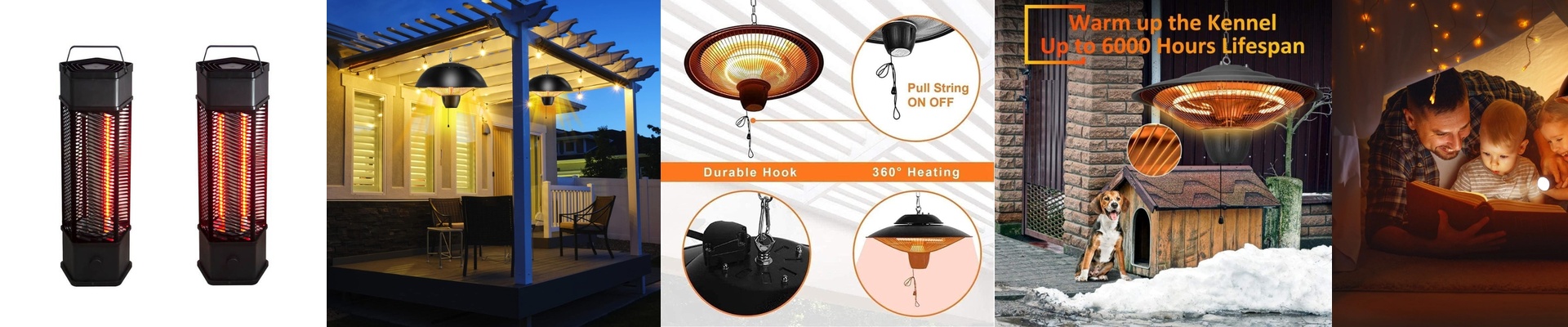
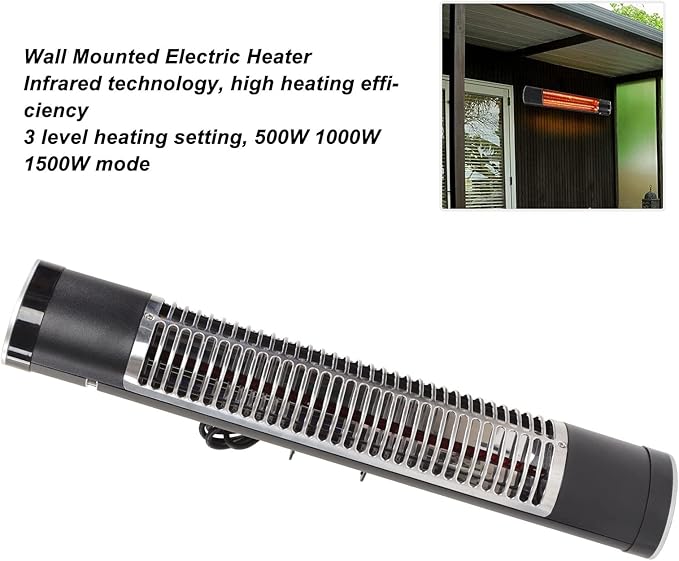
Making Your Patio Heaters Actually Smart
If you’ve ever tried to warm up a backyard bar or a patio with a standard heater, you know the struggle. Most of them just try to heat the air, which is basically useless the second a breeze kicks in. That’s why we use short-wave infrared. Instead of fighting the wind, these units beam heat directly onto you and your guests. It feels like standing in the sun on a crisp October morning. And when you hook these up to a smart home system? You stop messing with clunky wall switches and start letting the house do the thinking for you.
Heat That Hits Instantly
The best part about these infrared lamps is that they don’t need time to “warm up.” Thanks to the quartz glass and tungsten filaments, you get heat the second you flip the switch. To make them smart, we just tuck a heavy-duty relay or a controller between the power line and the heater. Now, instead of walking outside in the cold to turn things on, you can just tell your voice assistant to trigger a “Winter Night” setting. The signal hits the relay, the circuit closes, andboom—instant warmth.
Dealing With the Elements
Let’s be real: the outdoors is brutal on electronics. Rain, humidity, and salt air love to wreck wiring. We use IP-rated enclosures to keep the guts of the heater dry and moisture-free. But you have to be careful with the power. These things pull a lot of juice. If you try to run a bunch of 1500W heaters on one standard home circuit, you’re going to trip your breaker pretty fast. You’ll want to balance the load across a few different phases so you aren’t sitting in the dark.
The Catch (and How to Fix It)
Here’s the thing about smart homes: they rely on your Wi-Fi. If your bridge crashes or the app glitches, you’re suddenly stuck in the cold. I always suggest installing a physical override switch. It’s a simple “Plan B.” If the tech fails, you just flip a lever and the heat comes on. Also, a quick pro tip: use high-temp cabling for that last stretch to the heater. You don’t want your insulation melting because the wires got too hot.