
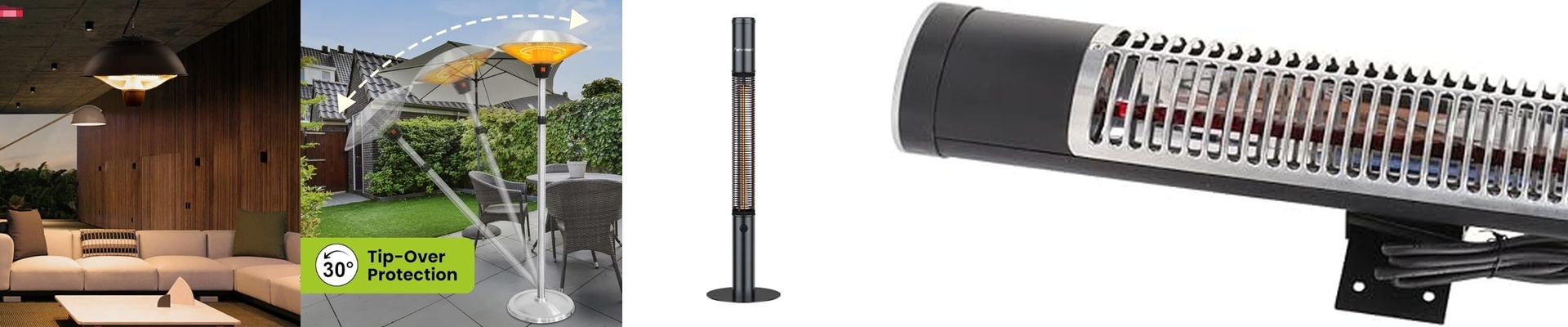
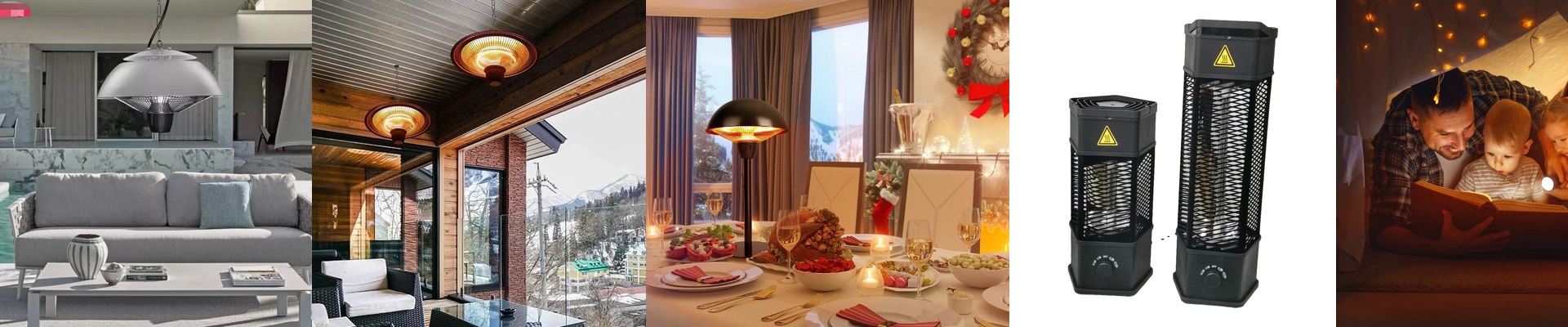
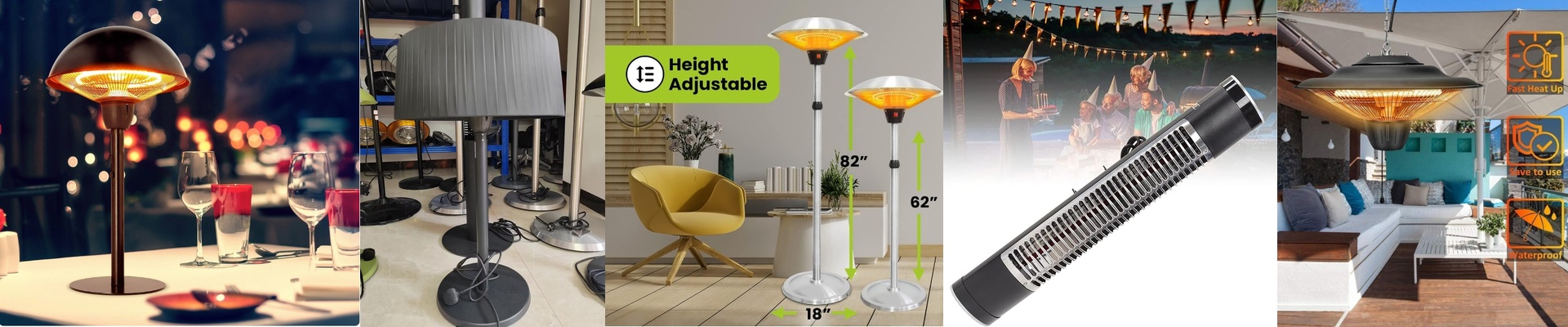
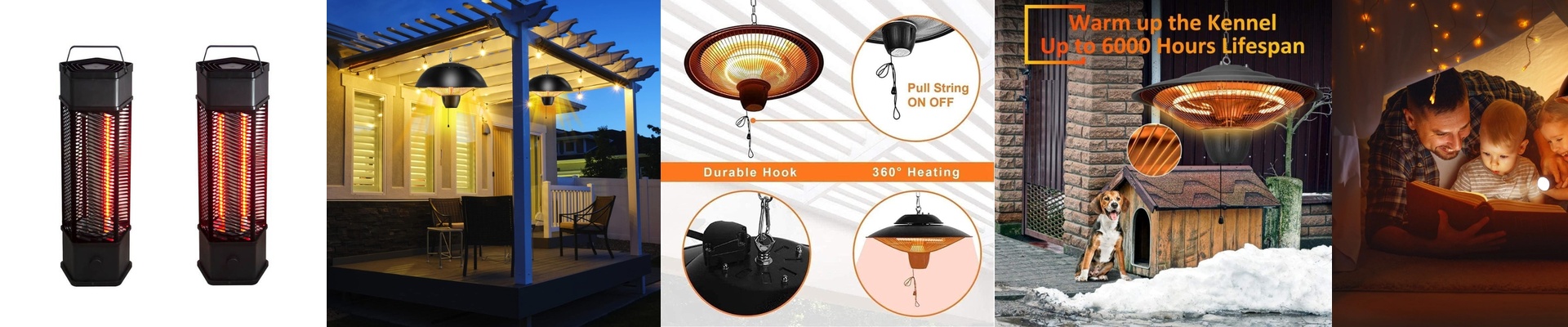

Making Infrared Heat That Won’t Hurt Your Eyes
When we build these infrared lamps, we’re basically walking a tightrope. We need enough heat to actually warm someone up, but we can’t risk any “bleed” from UV or high-intensity blue light. Why? Because eyes—especially a baby’s—are incredibly sensitive. One wrong frequency and you’re looking at permanent retinal damage. That’s a nightmare we’re not willing to gamble with. The trick is in the spectrum. Most standard lamps leak visible light. Not ours. We use specific filaments and coatings that push the energy toward the long-wave infrared side of things. The result? The energy goes straight into the skin and tissues, turning into warmth, instead of hitting the lens of the eye. It’s a subtle change in physics that makes a massive difference in safety. Then there’s the hardware. The housing isn’t just a metal box to hold the bulb; it’s part of the safety system. We’ve added diffusion layers to soften the light. It stops those blinding “hot spots” and glare, spreading the heat evenly across the area so you don’t get weird patches of intense heat. But a quick heads-up:watch your distance. Even with the safest spectrum in the world, if you mount these lamps too close, you’ll still get surface burns. Physics doesn’t care about filters if the bulb is an inch from the skin. Now, there’s always a trade-off. Because we filter out the dangerous stuff, you lose a bit of that raw, aggressive thermal punch you get from unfiltered short-wave lamps. It takes a tiny bit longer to heat up. We think that’s a fair price to pay for peace of mind. A couple of pro tips for the setup: Use heat-resistant cabling. No exceptions. Also, be gentle with the power. Those filtered coatings are tough, but they can crack if you slam them from “off” to “full blast” instantly. If you keep the ramp-up steady, your tubes will last much longer.