
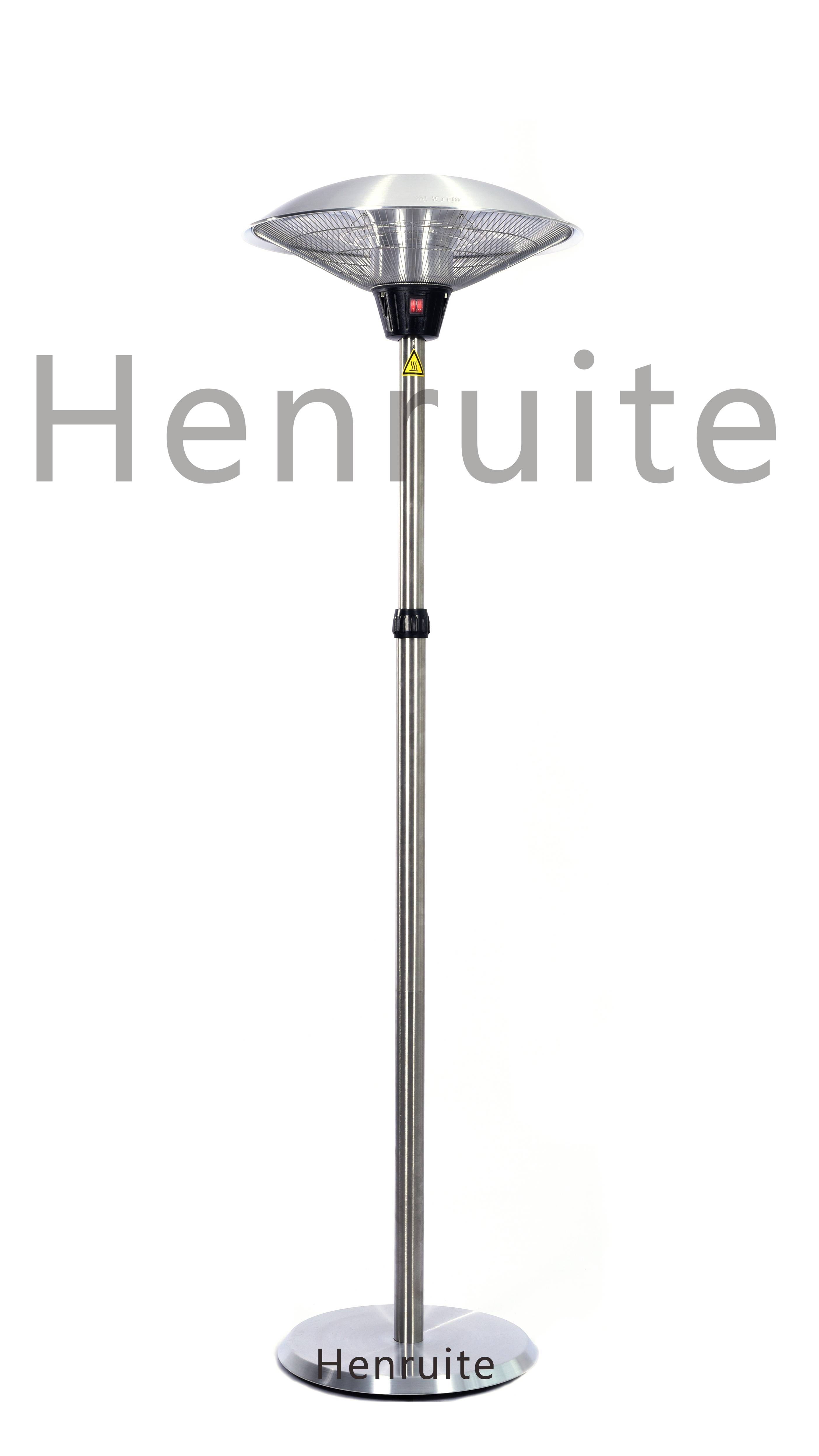
Making Bathroom Heaters That Actually Last
Let’s be honest: bathrooms are a nightmare for electronics. Between the thick steam, the accidental splashes, and those wild temperature swings, it’s basically a torture chamber for heating elements. Most heaters just can’t hack it. They burn out, the circuits fry, or the glass just snaps. We wanted to fix that. Keeping the water out Here is the thing about cheap heaters: steam finds a way in. It sneaks through the housing, hits the electrical connections, and—pop—you’ve got a short circuit. We stopped that by using heavy-duty gaskets and sealing the cable entries tight. It’s all about blocking those paths. By keeping the internal wiring bone-dry, we avoid those annoying “short-to-ground” failures that kill low-end units. The battle against fog Then there’s the condensation. When a tiny droplet of water hits a scorching hot infrared tube, it creates a “cold spot.” That sudden temperature difference puts a massive amount of stress on the quartz glass. One day you’re enjoying a warm room, and the next, your heating tube has cracked. To stop this, we focused on how the heat is spread. By balancing the heat density and managing the airflow, we keep the surface temperature steady. No fog, no cold spots, no cracks. The tricky part: Breathing vs. Protecting Now, you can’t just seal a heater in a plastic box. If you make it 100% airtight to keep water out, you trap the heat inside. That’s a recipe for overheating the guts of the machine. It’s a balancing act. We designed specific ventilation paths that let the heat escape but keep the liquid out. It’s the best of both worlds. One quick tip: make sure your bathroom fan is actually doing its job. Even the toughest heater will struggle if you’re living in a total steam box. Over time, that constant moisture can eat away at the outer shell. We build these things to take a beating, but a little bit of airflow helps the internals stay cool and keep running for years.