
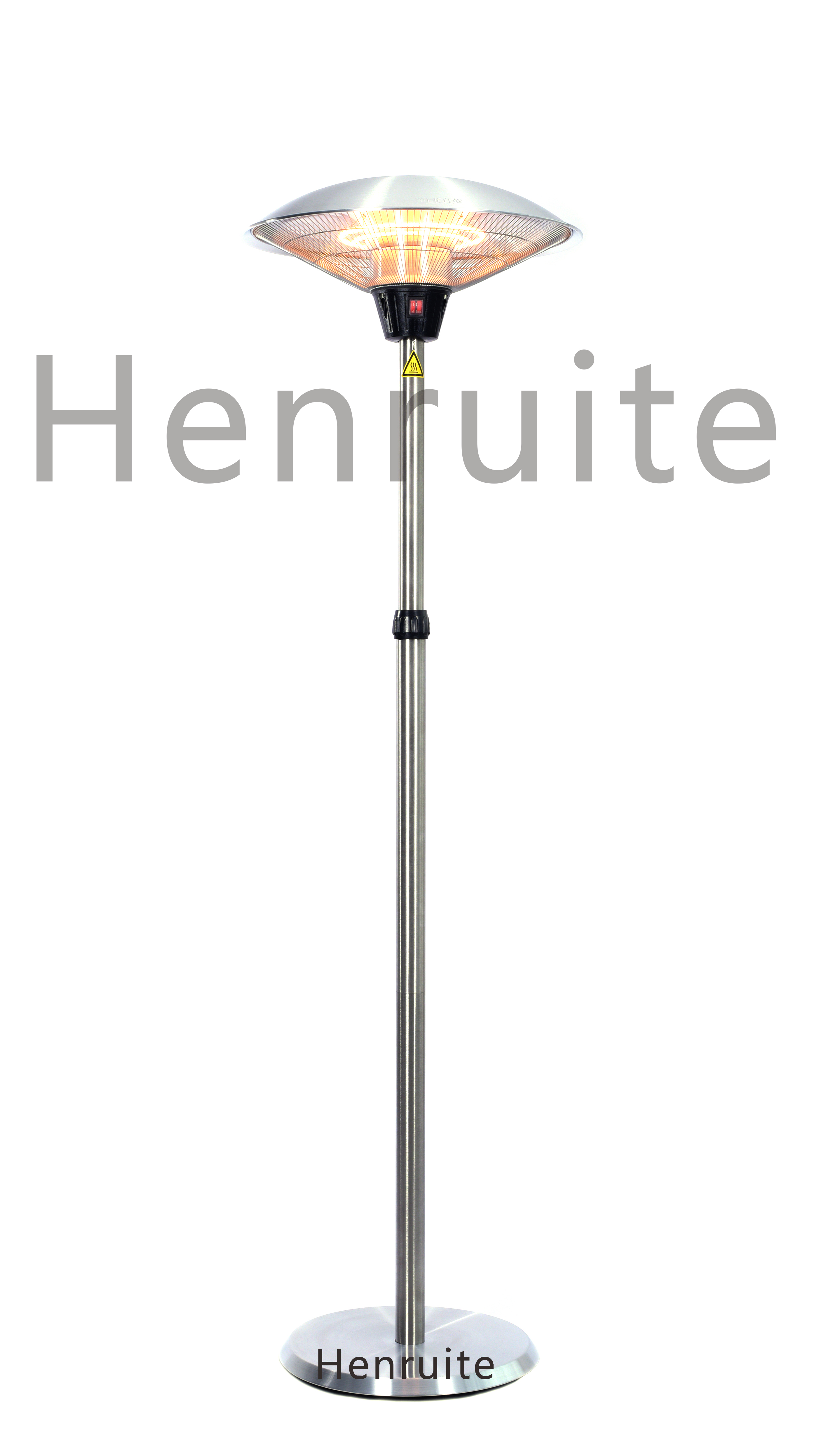
The Weak Link in High-Ceiling Heaters
If you’ve ever had a high-ceiling infrared heater die on you, you probably know the frustration. Most of the time, the problem isn’t the heater itself—it’s the spot where the lead wire enters the quartz tube. It sounds like a small detail, but it’s everything. If that seal isn’t perfect, oxygen sneaks in and fries the tungsten filament. Or worse, the insulation on the wires starts to crumble, and suddenly you’ve got a short circuit on your hands. Why cheap seals fail A lot of generic heaters use basic glues or low-grade silicone. That works for a while. But these heaters get incredibly hot. Over time, those cheap materials actually carbonize. Here’s the problem: once that sealant turns into carbon, it starts conducting electricity. It creates a path for power to leak from the hot lead straight into the chassis. If the seal wasn’t vacuum-tested from the start, it’s basically a ticking time bomb. Doing it the right way We do things differently. Instead of glue, we use high-temperature glass-to-metal seals or ceramic composites. The secret is that these materials expand and contract at the same rate as the quartz tube. When the heater flashes from cold to scorching hot, the seal doesn’t crack. It just moves with the glass. We also precision-crimp the wires before the final seal. This means the filament isn’t under any tension. You can tell the difference immediately—if you tug on a cheap lead wire, you can actually see the filament shift inside. Ours stays locked in place. A few tips for the install Since our seals are more rigid, you have to be a bit more careful during installation. Don’t bend those wires at sharp angles right next to the tube. If you do, you’re putting a lot of stress on the seal point. The best way to handle this is to leave a generous drip loop in your wiring harness. Give it some breathing room. And one last thing: check your terminal blocks. Make sure they’re rated for the actual heat of the housing. Even the toughest seal in the world can’t help you if your external wiring melts.