Stop Heating the Air and Start Heating the People
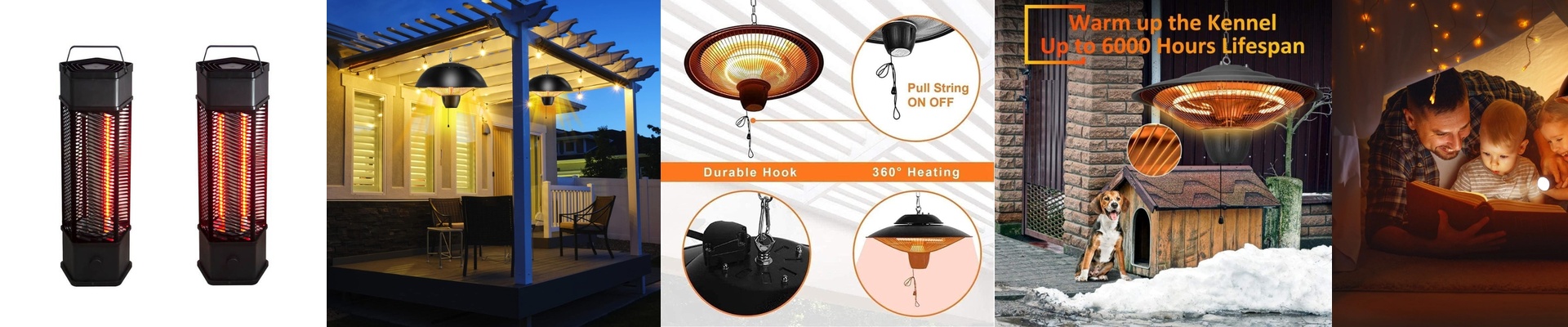
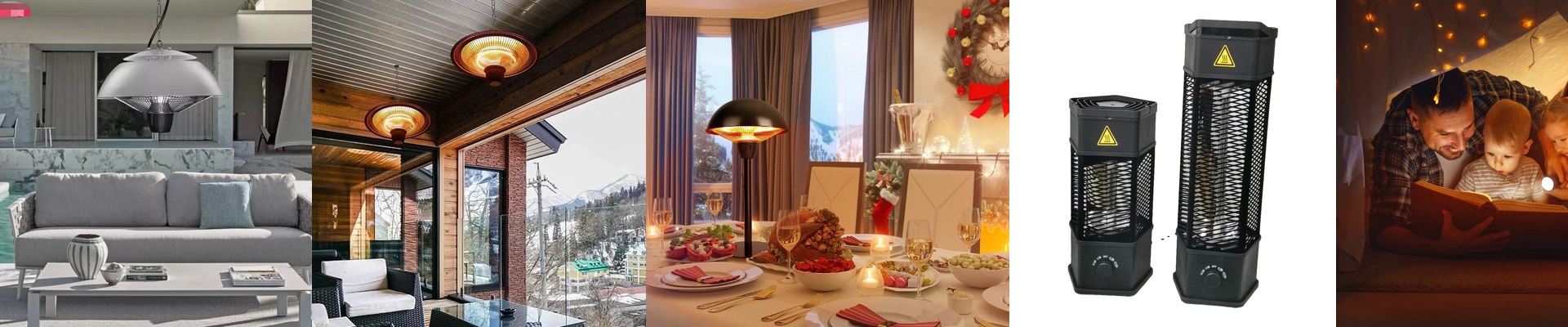
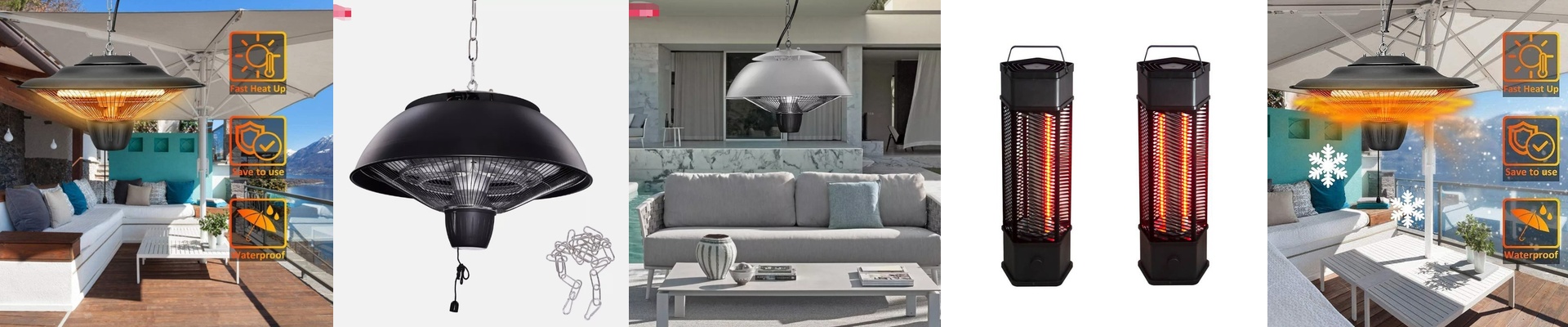
If you’re putting together a locker room or a transition area, here’s a secret: you don’t actually care about the air temperature. You care about the people. Traditional forced-air systems are a nightmare in these spots. The heat just floats up to the ceiling or vanishes the second someone opens a door. It’s a waste of money. That’s why we go with ceiling-mounted shortwave infrared heaters. Instead of trying to warm a whole room, they beam heat directly onto the person. The air stays out of it.
How the “Instant Warmth” Works
These units use shortwave radiation. It’s different from those slow-burn heaters that take forever to get a room cozy. Shortwave hits the target in seconds. We use high-wattage quartz elements to create a tight, concentrated beam. It’s the difference between a lightbulb and a spotlight. The second someone steps under the lamp, they feel it. It turns a freezing changing area into a place people actually want to be, and you don’t have to spend a fortune insulating every single wall in the building.
The Nitty-Gritty on Setup
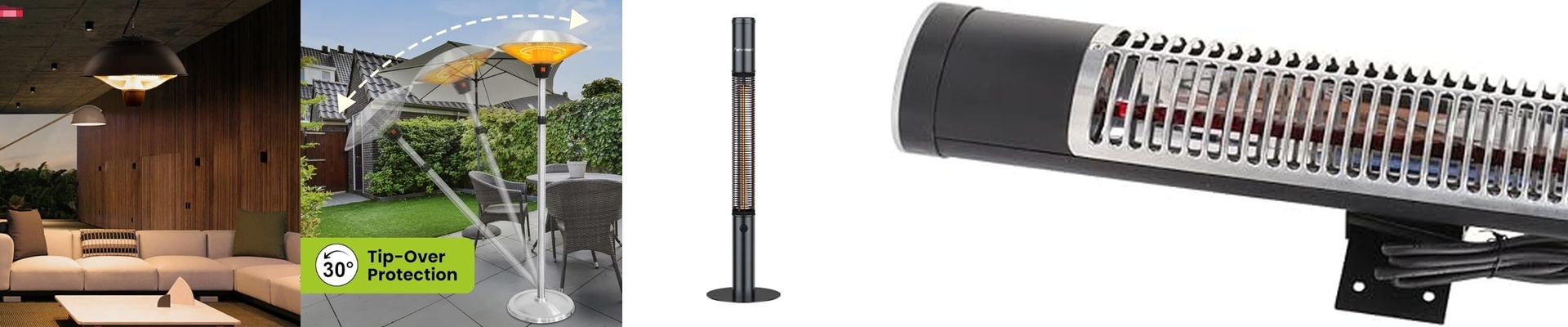
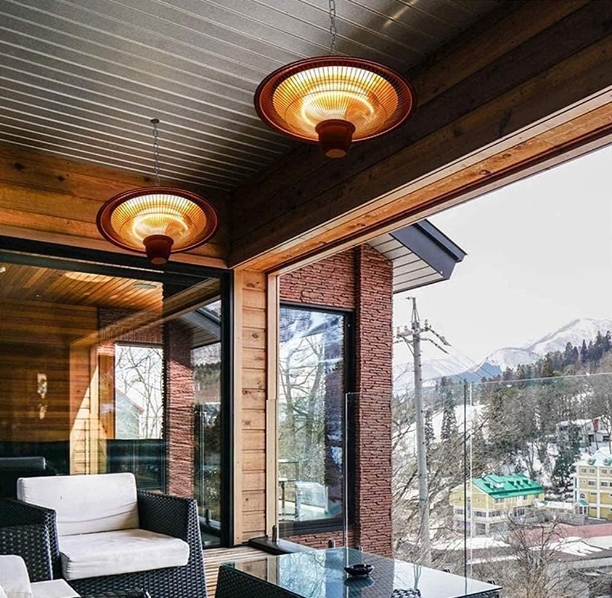
We mount these overhead to get the most out of the space. The guts of the unit—a high-density heating element—sits inside a reflective aluminum case. That reflector is the real hero here. It pushes the energy straight down in a controlled cone. Without it, you’d just be heating up your ceiling tiles. One heads-up on the electrical side: these things pull a lot of power to get that “instant-on” feel. Make sure your panel can handle the draw. If you’re installing a whole row of them, balance your loads across phases. You don’t want the breakers tripping right during the morning rush.
A Few Things to Watch Out For
Shortwave heat is intense. Because it’s so focused, the “heat shadow” is pretty sharp. If someone shifts six inches to the left, they’re going to feel the chill again immediately. You have to be really careful with how you space the emitters based on your ceiling height. If you get the mapping wrong, you’ll end up with annoying cold spots. On the flip side, don’t go overboard with the wattage. If you over-spec, you’ll create “hot spots” that make people sweat if they stand still for too long. It’s all about finding that sweet spot.