

Getting Your IR Heat Exactly Where You Need It
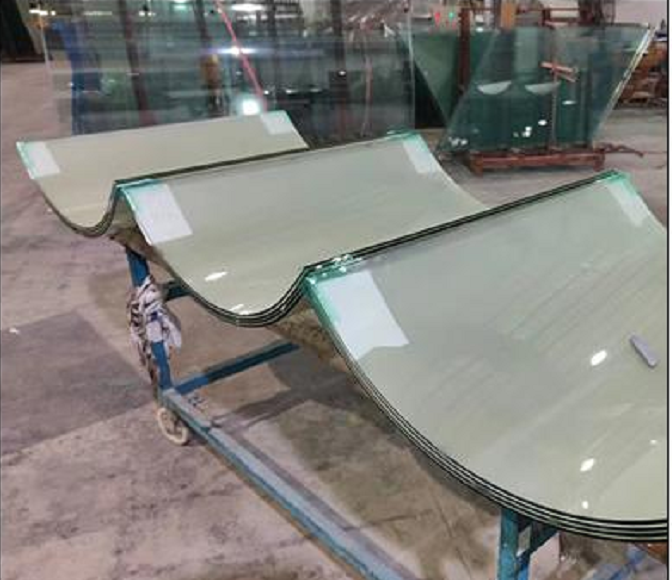
If you’ve ever tried using a standard, off-the-shelf infrared heater for glass R&D, you know the frustration. They’re designed to be uniform. But in a lab, uniform is boring—and usually useless. When you’re messing around with new glass compositions, you aren’t looking for a steady glow. You need those sharp thermal gradients. You need to see how the material handles a sudden spike or a localized hit of stress.
It’s Not Just About the Size
Most companies will tell you they can “customize the dimensions.” Great. But the size of the tube isn’t the hard part. The real magic is in thepower density. We play around with the filament winding and the wattage across the length of the tube. This lets us build “hot zones” and “buffer zones” right into a single heater. Instead of rebuilding your entire furnace just to change a heating curve, you just swap the heater. It’s a much cleaner way to work.
Speed Matters
We stick with shortwave IR because it’s instant. Think about it: you aren’t waiting for the air to get hot and then hoping that heat reaches the glass. The energy goes straight into the molecules. It’s fast. Really fast. If you’re testing a new coating, you can’t spend ten minutes waiting for a ramp-up. You need that temperature jump to happen in seconds so you can actually get through your experimental cycles without losing your mind.
The Trade-off (The Honest Part)
Here is the catch: pushing a ton of power into a tiny area is a bit like redlining an engine. When we spec a lamp for extreme wattage in a small spot, the quartz envelope takes a beating. If your housing doesn’t have enough airflow or a solid cooling system, the lamp is basically cooking itself. No one wants a burnout in the middle of a critical test, so make sure your venting is on point.
Making It Work With Your Gear
We don’t want our heaters to be another headache in your setup. Whether you’re prototyping a new tempering process or checking chemical stability, the gear should just work. We give you plenty of room to play with voltage and wattage so it fits whatever power supply you already have on your bench. We build these to be simple drop-in replacements. You plug them into your rig, and the thermal profile actually matches your simulation data for once.