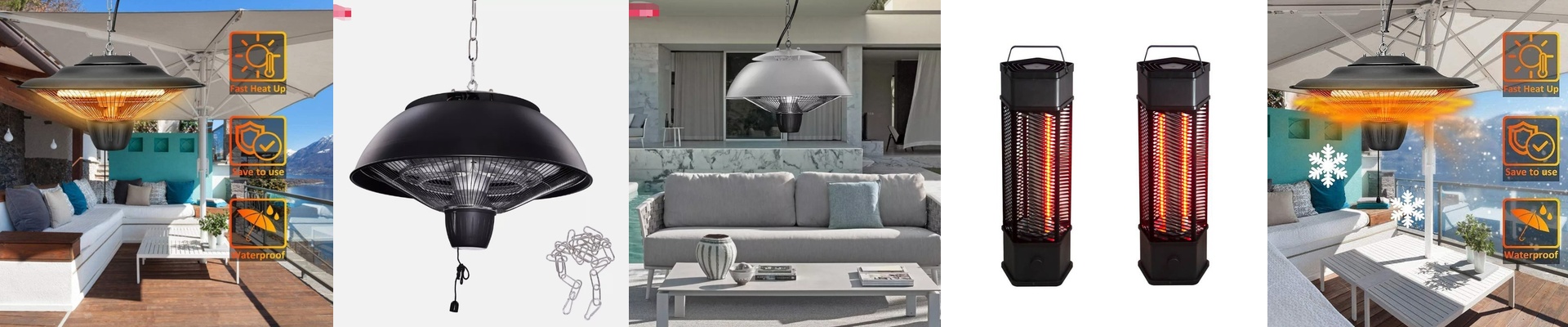

Getting Your Workshop Warm (Without the Wait)
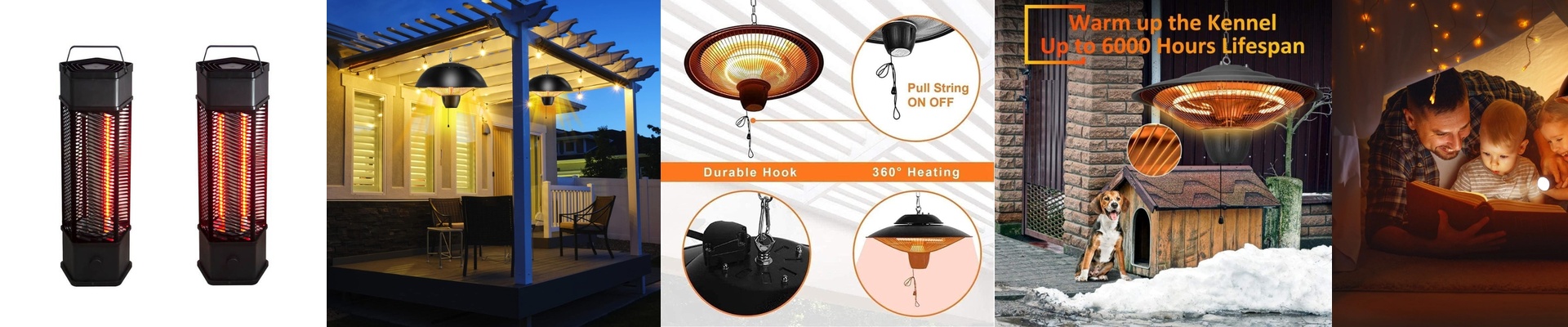
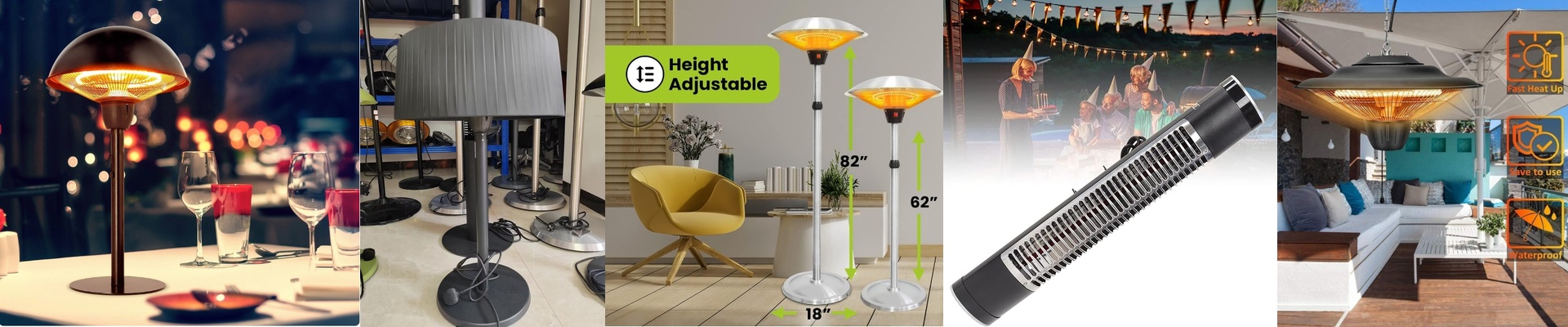
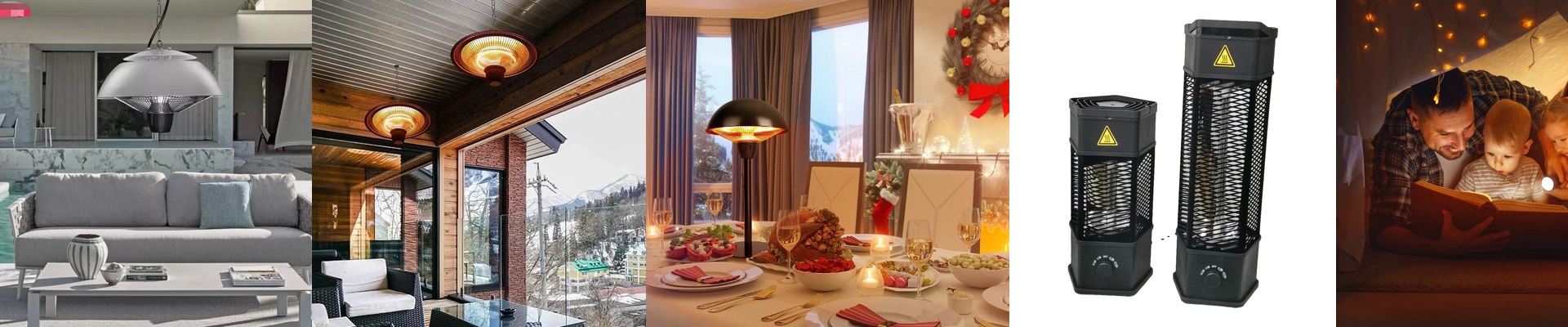
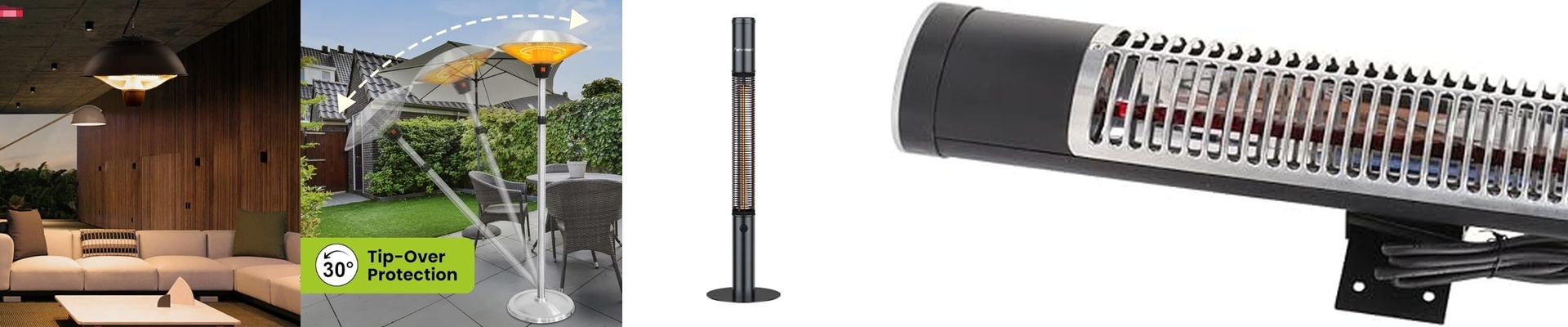
If you’ve ever stepped into a cold workshop in the middle of January, you know the struggle. You flip on the heat, and then you just… wait. You wait for the air to move, for the giant volume of empty space near the ceiling to warm up, and for the chill to finally leave your bones. It’s a waste of time. That’s why we use ceiling-mounted infrared heaters. Instead of trying to heat the air, these things beam heat directly onto you and your tools. It’s like stepping into a patch of sunlight on a crisp day.
Instant Heat, No Lag
The beauty of infrared is that it doesn’t mess around with air circulation. It just hits the target. We hook these heaters up to smart relays or PLC modules so you aren’t hunting for a manual switch in the dark. You can trigger the heat from your phone before you even leave the house. By the time you walk through the shop door, the workspace is already cozy. It just works.
The Nitty-Gritty Setup
Now, you can’t just plug a high-power heater into a tiny smart plug—you’ll fry the hub in seconds. We put a “bridge” in the middle. The smart gateway sends a low-voltage signal to a heavy-duty contactor or a dimmer, which then handles the actual heavy lifting of the power. One pro tip: we place the temperature sensors down where you actually work, not up by the ceiling. If you put them too high, the sensor thinks the room is roasting (because heat rises) and shuts everything off while your feet are still freezing.
A Couple of Things to Watch Out For
It sounds perfect, but there are two traps you want to avoid. First, don’t turn everything on at once. If you trigger ten big heaters at the exact same second, you’re going to see a massive power spike that’ll likely trip your breakers. We fix this in the software by staggering the start-up. One kicks in, then another, then another. It keeps the electrical panel happy. Second, watch out for your signal. Metal roof beams are basically signal-killers for Wi-Fi and Zigbee. If you have “dead zones” in your shop, your smart controls will be flaky. A good mesh network is a must if you want this to be reliable.