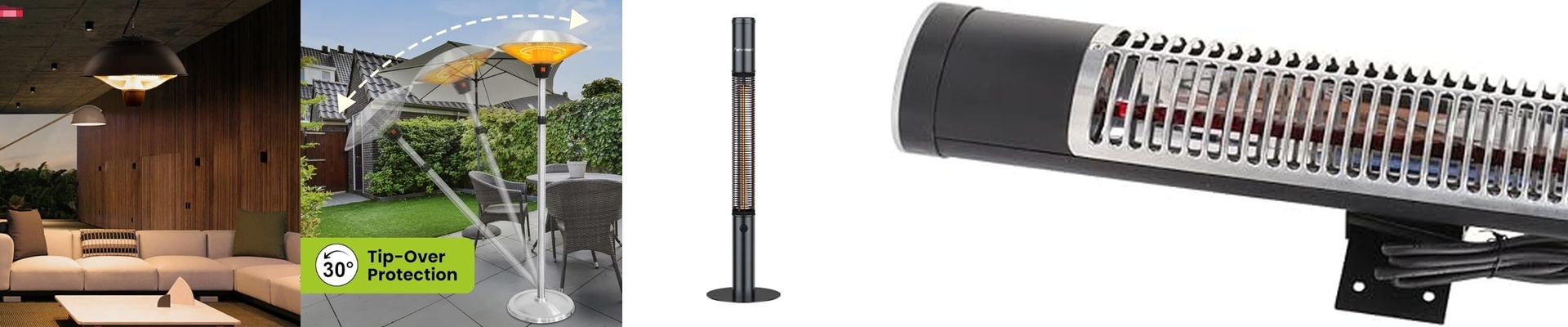
Making Infrared Heat Actually Smart
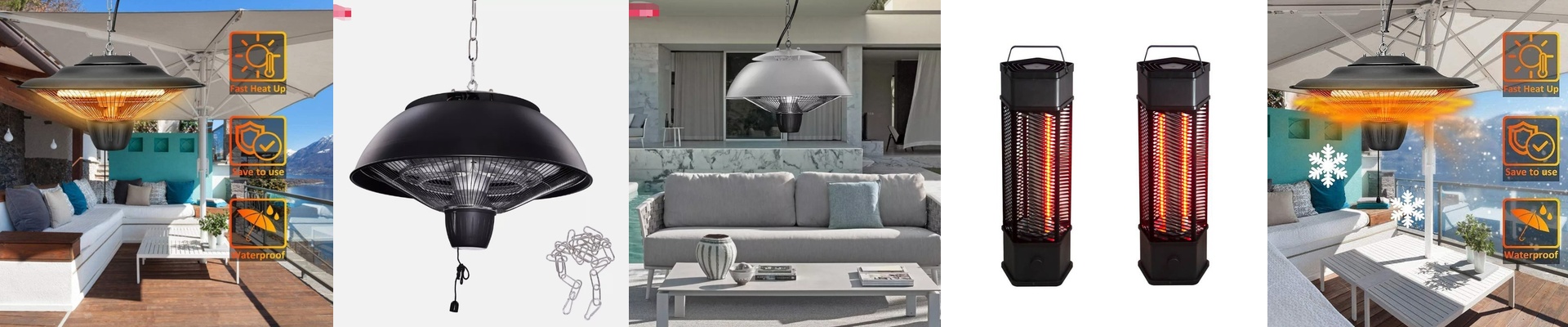
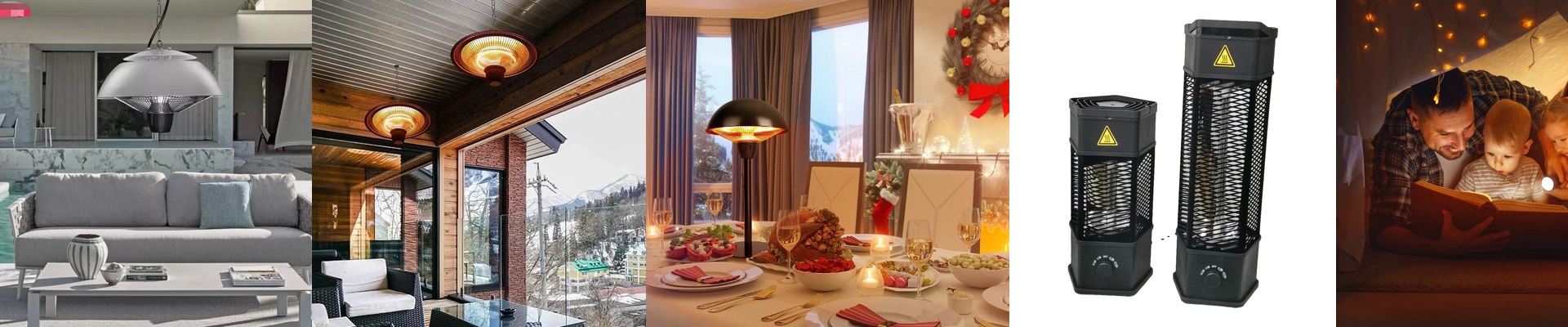
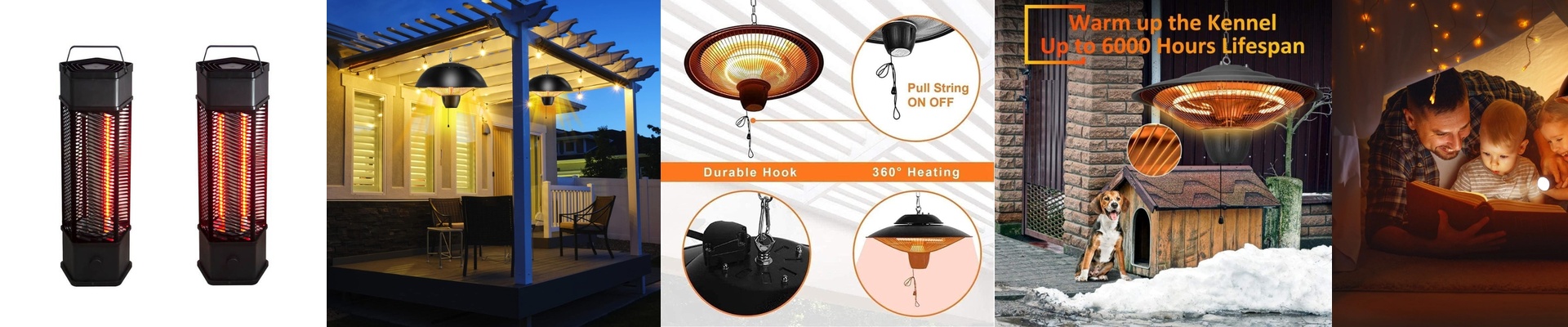
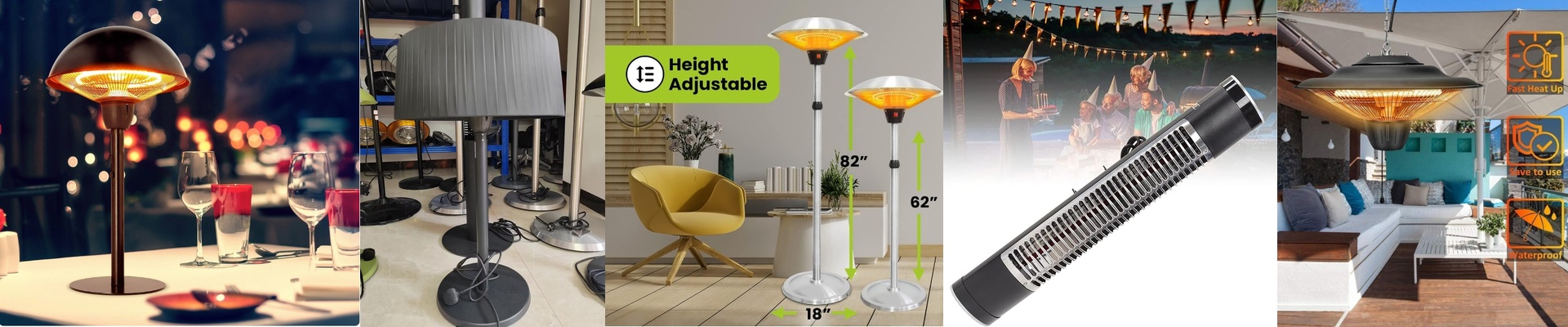
Most heaters are slow. They spend forever trying to warm up the air, and you’re still shivering while you wait for the room to catch up. We do things differently. Our infrared heaters skip the air entirely and go straight for the source—heating you and your furniture instantly using short-wave radiation. Now, if you hook these arrays up to a smart home hub, you stop messing with switches and start letting the house handle the temperature for you.
Heat That Doesn’t Make You Wait
Traditional heaters take a while to get the job done. Infrared? It’s almost instant. If you add a smart relay or a Zigbee controller, you can kick things off with one command. The signal hits the power module, the circuit closes, and those quartz or halogen tubes glow immediately. No waiting. No “warm-up” period. Just warmth.
The Techy Bit (Keeping it Simple)
Here’s the thing: infrared lamps pull a lot of power the second they turn on. If you use a basic controller, you’ll burn the elements out. To fix that, we use PWM (Pulse Width Modulation) or stepped power controllers. They act like a buffer, protecting the hardware during fast cycles. These controllers chat with your smart home gateway through APIs or Matter, meaning you can set the heat to kick in the moment your phone crosses a geofence or a sensor notices the room has dipped a few degrees.
The Reality Check
Smart tech is great, but it’s not magic. It adds more parts that can break. For example, if you buy a cheap smart switch that isn’t rated for a heavy load, it’ll fry. Simple as that. You have to make sure your relays can actually handle the wattage of the lamps you’re running. And remember, infrared is all about line-of-sight. If the system triggers the heat but you’re standing behind a wall or a couch, you aren’t going to feel a thing. Where you put the heaters matters just as much as the software you use to run them.