

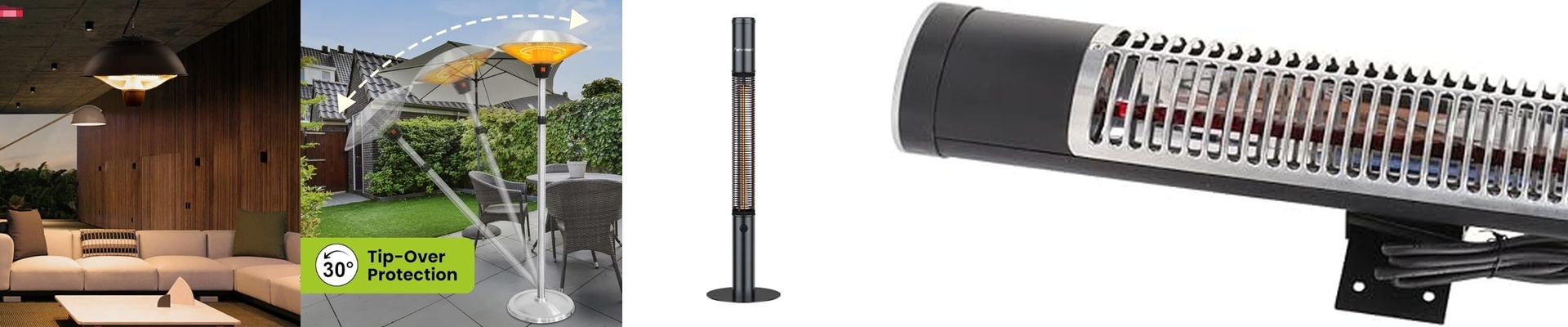



Why We Build Modular Ceiling Heaters
Let’s be honest: factory ceilings are brutal. Between the thick dust and the constant heating and cooling, those heating elements eventually give up. It happens. But here is the nightmare scenario: it’s five years in, one tube burns out, and suddenly you’re staring at a total teardown. You have to rip out the chassis and mess with the entire ceiling grid just to fix one part. It’s a mess. We decided that was a stupid way to build a heater. So, we went modular. Stop fighting with the hardware Most heaters on the market are welded or hard-wired. That turns a simple part swap into a grueling half-day project. We did things differently. We treated the heating element like a plug-and-play part. With standard brackets and quick-disconnect terminals, you just slide the old tube out and drop a new one in. You don’t even have to touch the main power feed or the housing. Less time on a ladder Nobody likes spending hours on a lift. By keeping the heating module separate from the reflector and the casing, you don’t have to worry about knocking the whole unit out of alignment. You just unlock the retainer, pull the module, and wire it up. What used to take hours now takes a few minutes. It’s that simple. The honest trade-off Now, there is one thing to keep in mind. Because we use modular connectors instead of a permanent weld, there’s a tiny bit of contact resistance. For most shops, you won’t even notice it. But you do have to make sure the terminals are torqued exactly to spec. If a connection is loose, you’ll get hotspots that can damage the housing over time. It’s a small detail, but it matters. We build these for the long haul. Swapping a single module every few years is just part of the cost of doing business. But replacing an entire ceiling array because one piece failed? That’s just bad engineering. We’d rather keep your floor warm and your maintenance crew firmly on the ground.