The Problem with Short Lamps in Glass Tunnel Kilns
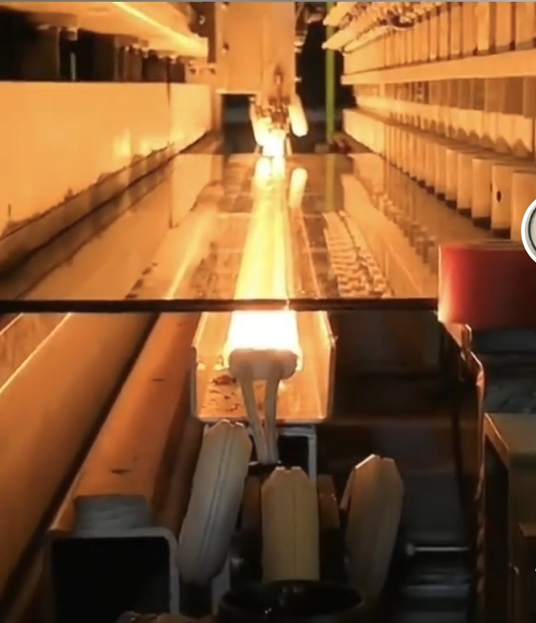
Most infrared lamps stop at about a meter. If you’re running a glass tube tunnel kiln, that’s a problem. Why? Because those gaps between the lamps create cold spots. When your glass hits those dips in temperature, it expands unevenly. That’s how you end up with cracks, warping, and a lot of wasted material. It’s frustrating. To stop that from happening, we build custom continuous heating units that stretch past 2 meters.
Getting the Power Right
You can’t just stretch a filament and call it a day. It doesn’t work like that. The longer the tube, the more the electrical resistance climbs. We spend a lot of time dialing in the voltage and wattage so the heat stays the same from one end to the other. If we go too low, the middle of the tube never gets hot enough to soften the glass. Too high? You’ll burn out the filament right at the supports. It’s a balancing act, but it’s the only way to get a steady thermal profile across that entire 2-meter stretch.
Built for the Grind
These units are made to sit side-by-side in a long array. We use high-grade quartz glass because it can take the thermal shock without snapping. We also keep the wiring flexible. Whether your power grid prefers series or parallel, we can make it work. And we stay far away from fragile connectors. In a tunnel kiln, you’ve got constant vibration and heat cycling. Your terminals need to be tough enough to take a beating.
What to Expect During Setup
The big win here is killing the “zebra effect”—those annoying alternating stripes of hot and cold you get with short lamps. Instead, you get a smooth, flat heat curve. Just a heads-up: these long units have a lot of inertia. They take a bit longer to warm up and a while longer to cool down. You’ll want to tweak your PID controllers and cooling fans to handle that slower response time. It’s a different rhythm than using short-wave modular lamps, but the results are worth the wait.