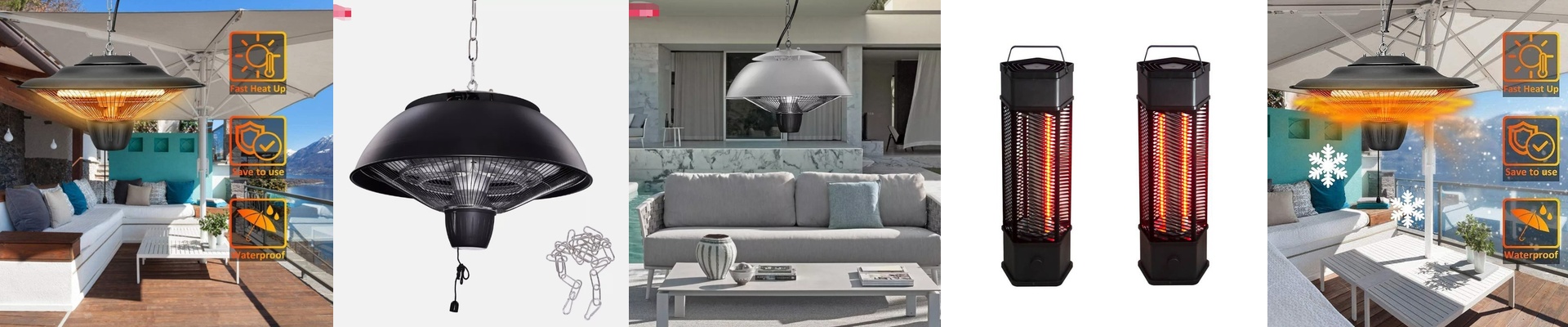
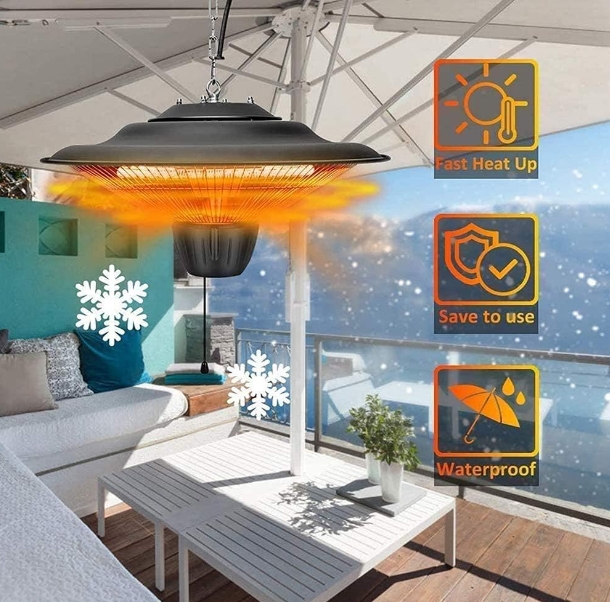
IP65 Quartz Infrared Heaters: Warmth, Fast, Even When It’s Damp
Let’s talk about changing rooms. You know the feeling—cold floors, drafts sneaking in, everyone hurrying just to get warm. It’s miserable. We built the IP65 waterproof infrared heater for exactly those kinds of spaces. The kind that are damp, exposed, and just plain tough to keep comfortable. Here’s the magic: it doesn’t waste time heating the whole room. It sends warmth right where you need it, fast. You feel it on your skin and on surfaces almost instantly. No waiting. No overheating the air. Just quick, directional heat that makes people feel better within seconds.
Power, Voltage, and the Practical Stuff
These heaters come in 220–240V or 400V, and the wattage scales to fit the space and how high you mount them. Got a long run? Higher voltage lets you power longer heaters without pushing your wiring past its comfort zone. The tubes are compact, typically 300–900mm long. That means they fit tight spots—low ceilings, narrow walls—without bulky cabinets taking up space. And because they’re shortwave, they wake up fast and pack serious heat per inch. You get a lot of warmth in a small footprint.
What’s Inside: Quartz, Halogen, and an Easy Install
We use quartz tubes because they handle sudden temperature swings like a champ and let infrared energy pass through cleanly. Inside, halogen elements keep the filament temperature steady, so the output stays consistent over time. No surprises. The IP65 sealing comes from gasketed end caps and tough ceramic or metal terminations. Moisture and dust can’t get into the electrical joints. Period. And the R7s connector? That’s the little detail that makes installers happy. It’s a standard two-pin recessed fitting. Plug it in, and you’re done. It also keeps the ends protected from splashes and dust.
Changing Rooms: Warm People, Not Air
In changing areas, you typically mount these overhead or aim them at benches and entry spots. Infrared heats people and surfaces directly—not the air. That’s why the warmth hits you almost immediately. It also means you don’t have to oversize the system just to chase air temperature. A heads-up: because the heat is concentrated, you do need proper clearances and enough ventilation to keep the area around the heater from getting too hot. That protects nearby materials and keeps things safe. For engineers, the combo of IP65 and standard R7s wiring means a straightforward drop-in install in wet zones. Less downtime. Fewer call-backs. And fewer headaches from moisture getting where it shouldn’t.