
A sunroom is supposed to be that easy transition between inside and out—until the heating kicks in and turns it loud, bone-dry, or drafty. With an infant in the house, that’s not just uncomfortable. It’s a sleep wrecker and an air-quality headache.
What matters under the hood
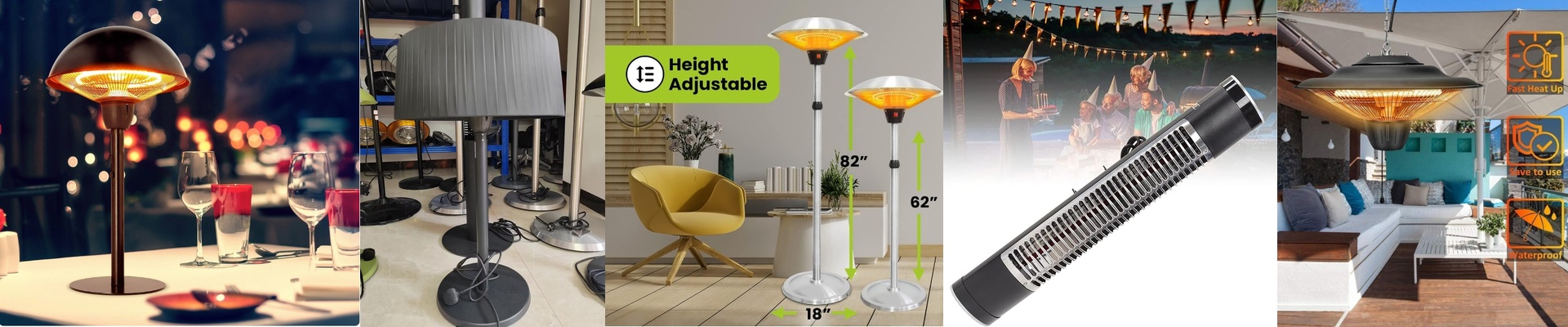
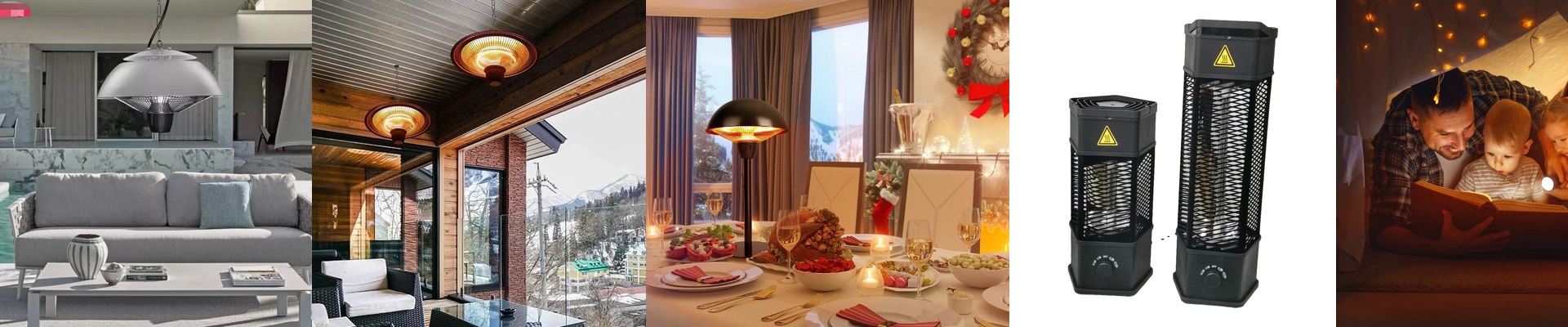
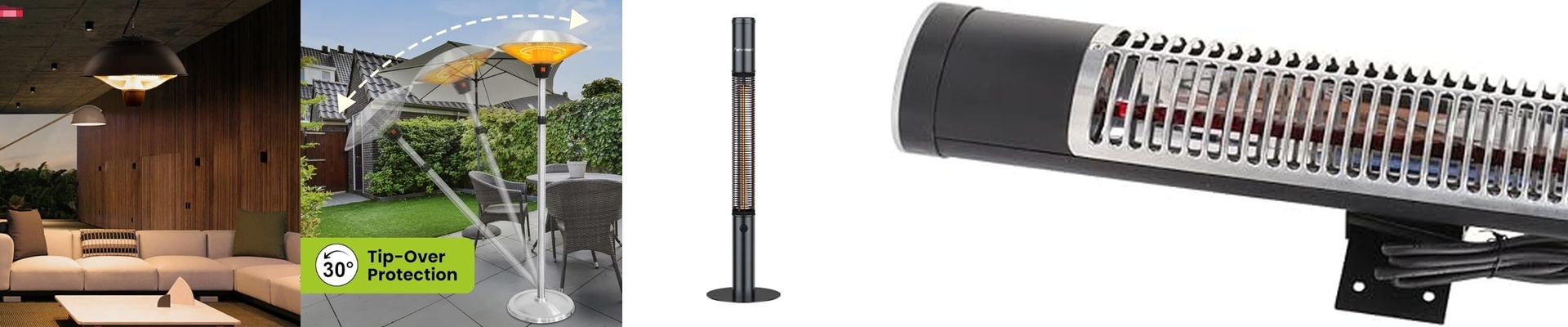
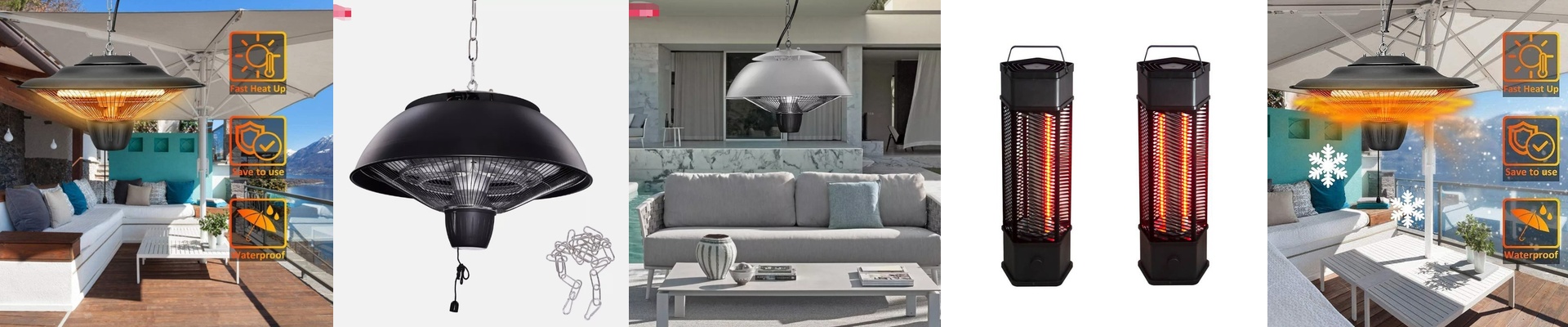
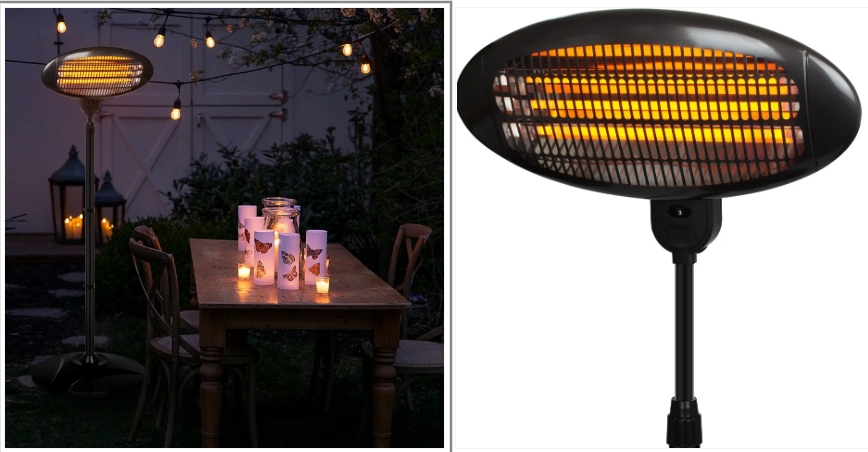
Infrared sunroom heaters warm people and surfaces directly, not the air. That’s the core difference between radiant heat and forced-air. Inside, you’re typically running a carbon fiber element or a quartz emitter, pushing out short-wave or medium-wave infrared warmth. Comfort hits immediately, and there’s no fan spinning. Because the element radiates outward, there’s no combustion—so you’re not burning oxygen and you don’t have to worry about carbon monoxide. Heat comes via a simple plug-in setup, usually on a standard 120 V circuit, and it stays quiet enough to live in the background. Most units include an adjustable thermostat and safety features like tip-over shutoff and overheat protection.
Why this is the right fit for a sunroom
Glass and big windows make a sunroom feel cooler than the rest of the house, especially after dark. Conventional heaters push air around, which turns into drafts and noise—enough to startle a baby or keep you on edge. An infrared heater keeps things steady, warming chairs, floors, and little hands the moment they step in. The air stays calmer and less drying, which makes breathing easier—particularly during naps. For you, that means fewer temperature swings, more consistent comfort, and a room that feels settled.
What you need to get right
Radiant warmth does its best work when it’s aimed at where people sit, so placement matters. Keep a small clearance around the unit for airflow, and keep the heater away from fabrics and out of reach of curious hands. Most models are built for indoor or protected outdoor use; if you’re thinking about a covered patio that ties into the sunroom, check the IP rating before you buy. Infrared heaters are quiet, but the outer glass gets hot during operation, so a stable, flat mounting surface and thoughtful positioning are part of getting the job done safely and well.