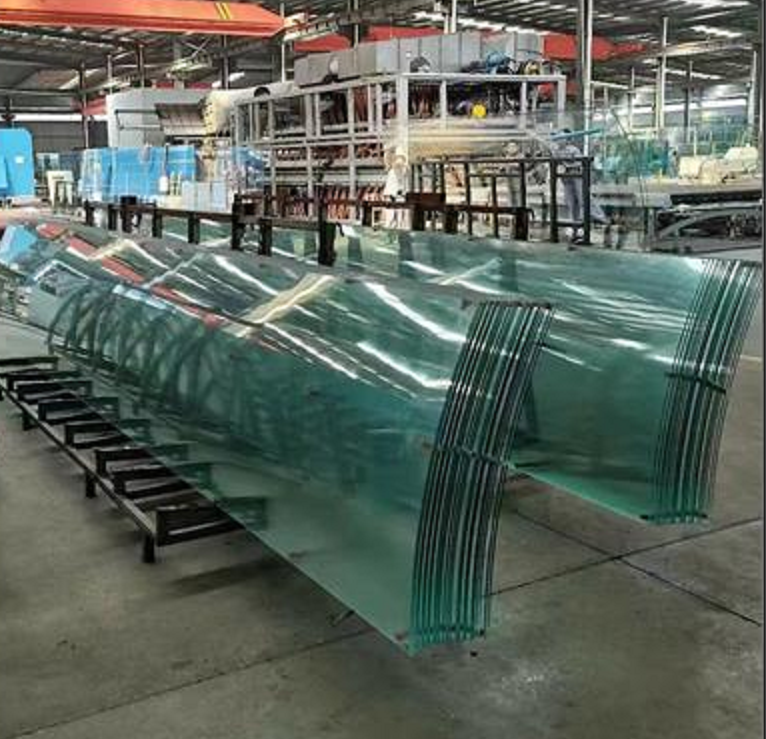
On the line, if your wine glass annealing oven is running too cool—or worse, uneven—you end up making a painful choice between scrap and rework. The stress doesn’t scream; it shows up later as rejects in secondary finishing and as warranty returns after the product ships. That’s why you have to treat the annealing heater as a process control device, not just a heat box. Here’s what matters under the hood. We build the wine glass annealing heater around a short-wave quartz infrared emitter package, tuned for glass emissivity and quick response. Power density is matched to the oven cross-section so the thermal field hits the whole load—no hot edges, no cold centers. A tight control loop holds setpoint stability within ±2°C, which directly caps the thermal gradients that create residual stress. The emitters are rated for continuous duty at 850–950°C filament temperature, and they’re built to live for thousands of hours at full output. Annealing is the reset step after forming, and it has to repeat, hour after hour, without excuses. This heater gives you repeatable soak profiles across batches, so strain patterns stay consistent and you get predictable break behavior during cutting and polishing. The same platform also supports adjacent glass work—bending heat-up, coating drying, and lamination preheat—because it can ramp fast while staying stable. That cuts idle time between changeovers and keeps throughput steady. A few shop-floor details that make or break it. Mounting clearance and sighting alignment matter. Quartz infrared emitters don’t like mechanical shock, so secure fixtures and proper thermal isolation are non-negotiable. Plan for clean power, too—voltage sag and unstable phase balance will show up as temperature drift. If you run 24/7, put a quarterly inspection on the calendar for connections and emitter condition. Treat it like a production asset, and it pays you back with consistent annealing and fewer scrap losses.