



Customized Infrared Glass Paint Curing: Cutting Line Footprint by 40%
Ever feel like your production line is doing a tightrope walk just to fit everything in? We felt that squeeze, too. So we built an infrared heating and drying unit specifically for glass screen printing. The whole point? Give you serious drying power without taking up half your floor. Seriously, if your space is tight, this thing can give you back up to 40% of your footprint. And no, you don’t have to sacrifice performance to get that breathing room.
Here’s the heart of it: power, voltage, and size
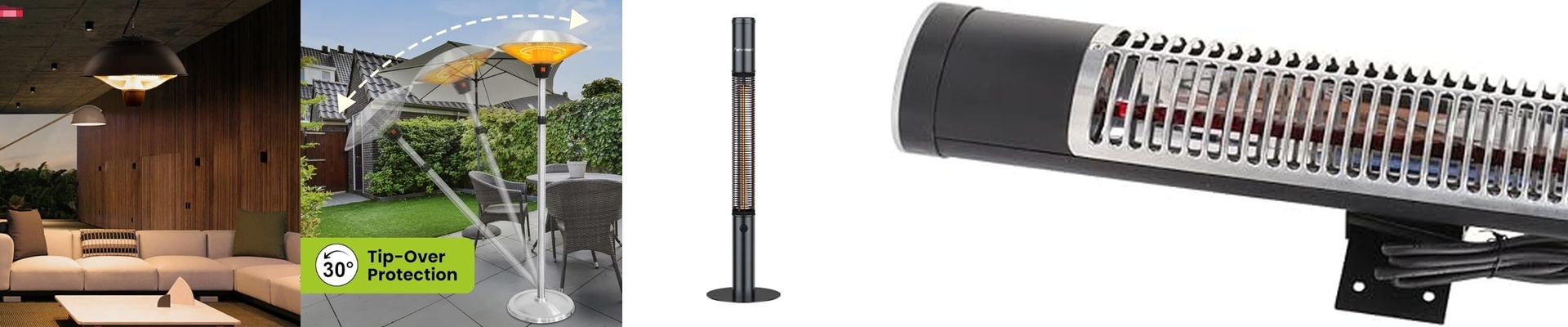
At the core, we’re talking about a shortwave infrared lamp module. It’s built to throw heat fast and focused, right where you need it. We spec these heaters for high voltage—usually 400V—so you can pack a lot of power into a short, dense package. The tube is just 300mm long, which means the energy concentrates on the wet ink, not on heating up the whole room. That keeps the thermal mass low and the response quick. Turn it on, and it’s ready. Turn it off, and it stops. No long warm-up, no lag. In practice, that means faster line speeds and a cure you can count on, whether you’re running different glass types or just trying to keep the line moving.
The materials that make it tough for the shop floor
We use halogen-filled quartz tubes because the shop floor is no gentle place. These tubes handle the shock of rapid on/off cycling and stay steady over thousands of hours. Quartz is great at transmitting shortwave IR, and the internal halogen cycle protects the filament—so you’re not playing replacement roulette when the heat is on. The outer surface gets a specialized coating that helps spread the heat evenly and keeps contaminants from messing things up. And for install, the tubes come with R7s or SK15 connectors. They lock in clean and quick, so wiring is straightforward and maintenance downtime stays short.
Why this matters on a glass screen printing line
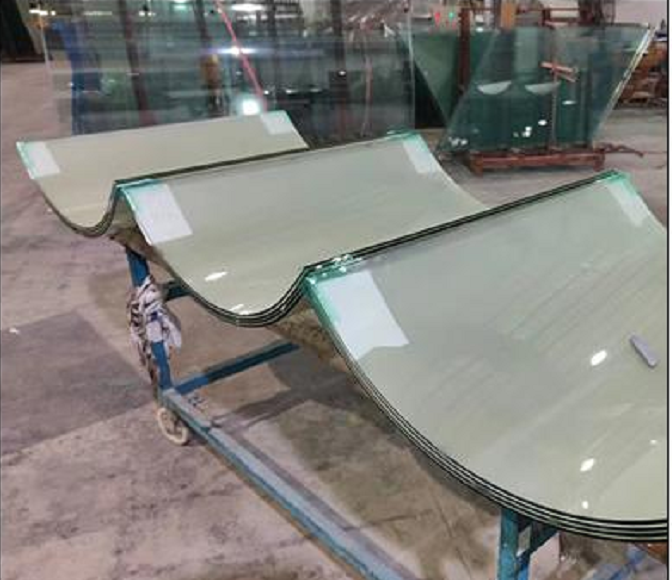
On a glass line, the headache is always the same: cure thick ink fast without cooking the glass. This unit hits the ink first—driving off solvents and setting the pigment—while the glass stays closer to the process temperature. That gives you a stable cure window, fewer rejects, and less scrap. And the whole package—heater, mounting, and controls—is integrated so you can drop it into an existing line without a major overhaul. One thing to keep in mind: because the heat density is high, your cooling and ventilation need to be properly matched. Set the airflow right for the power, and you get a compact cure solution that frees up space and keeps the line running smooth.