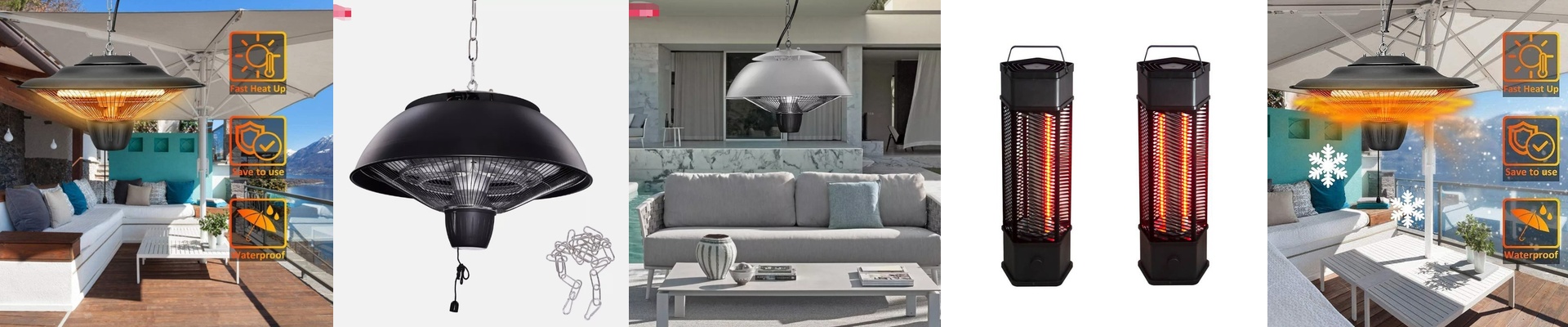
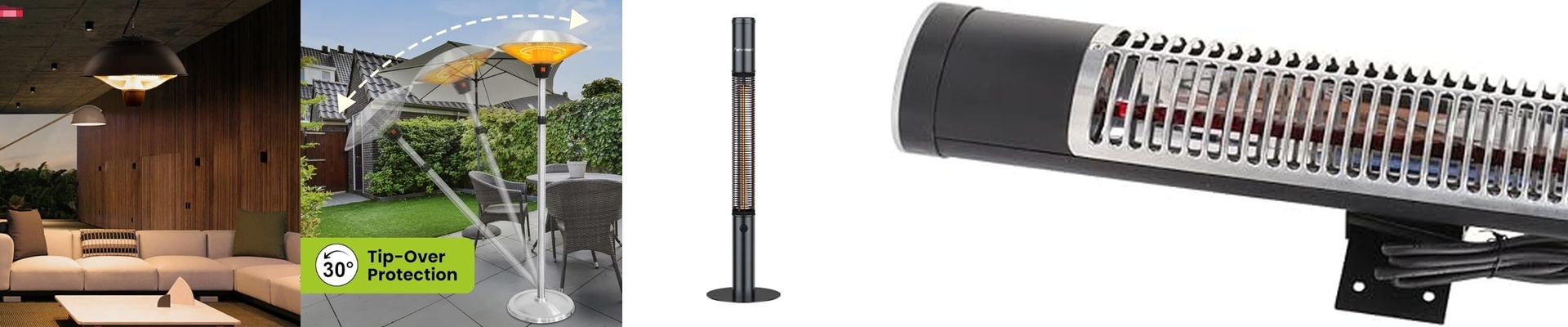
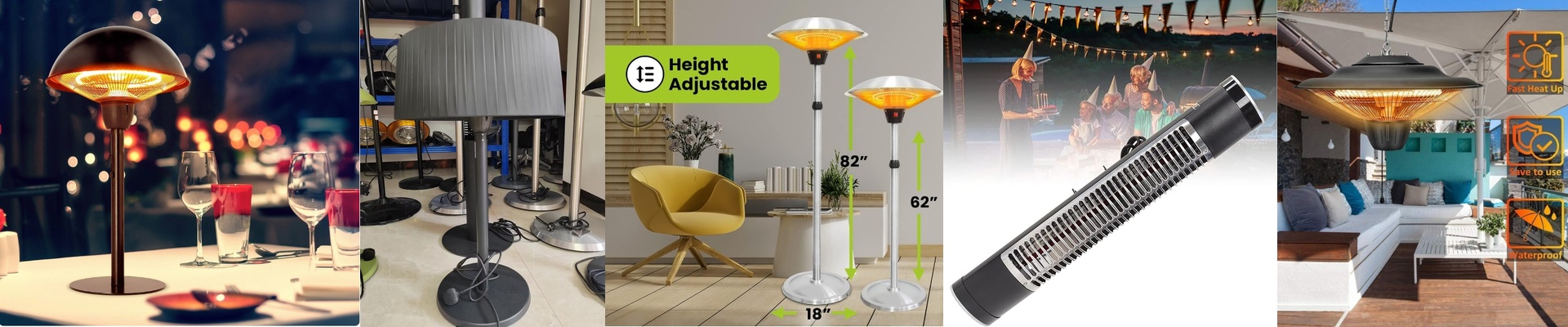
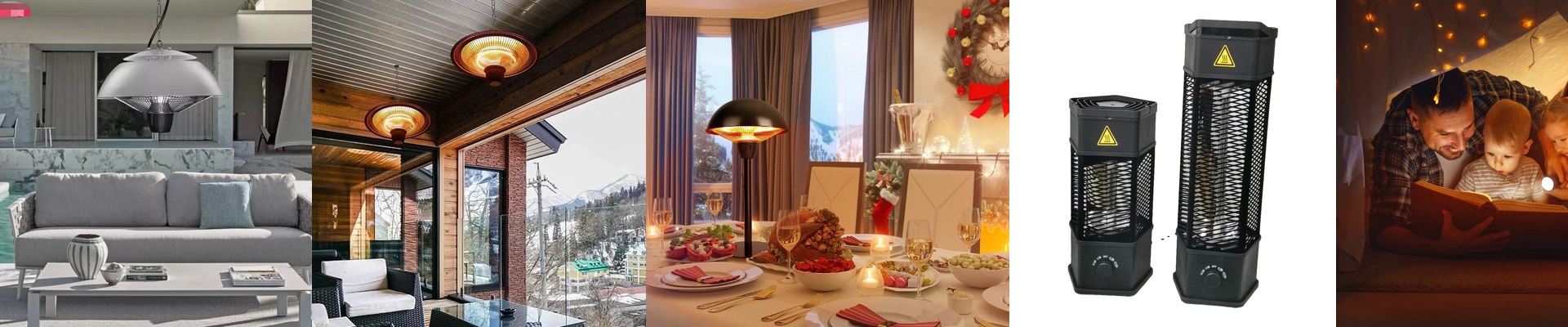
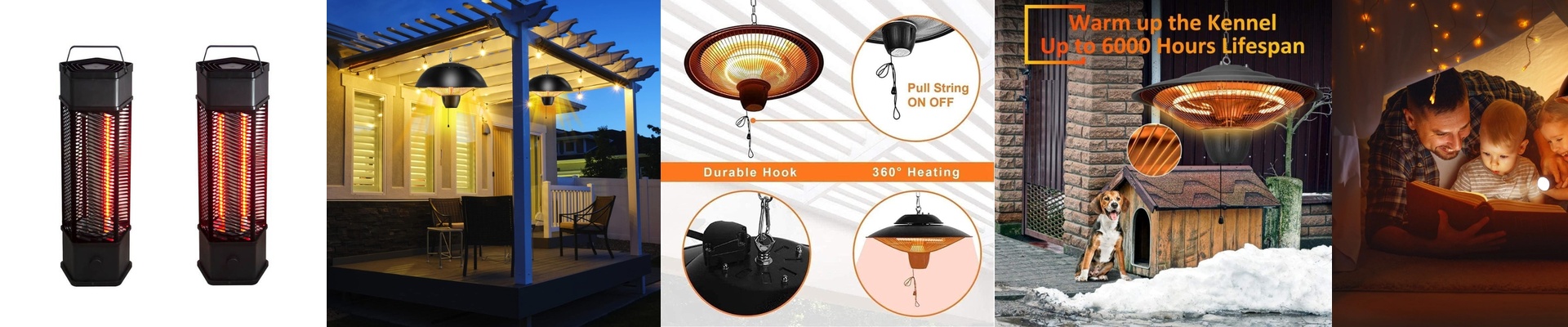
A cold wind across an outdoor coffee patio clears the tables. A train platform left unheated makes waiting feel like a chore. In these commercial and transit spots, warmth isn’t a perk—it’s part of the service. When the temperature drops, people linger less, complaints pick up, and foot traffic thins out. That’s why we build electric infrared heaters around dependable 12V and 24V operation. The heat comes on fast, and the radiant warmth goes exactly where you need it.
What matters, technically
Our 12V/24V electric heaters lean on efficient quartz infrared elements. They warm people and objects directly, not the air around them. That means quick response and steady comfort, even in drafty or partially open areas. Pick 12V for smaller, low-current installs. Step up to 24V when you’re running longer wiring and want to keep voltage drop down—handy for long platform runs or distributed seating zones. A built-in thermostat keeps the output consistent, and you get standard safety features like tip-over cutoff and overheat protection. We build for real outdoor use, with sealing that holds up to exposure.
Why this works where you need it
On a coffee patio, the heater fires up and guests feel warmth within seconds—no noisy fan, no waiting for the air to warm. On train platforms, the radiant heat cuts through the wind, keeping staff and commuters comfortable without trying to heat the whole open space. Because the heat is directed and localized, operating costs stay manageable, and the equipment keeps going even with frequent on/off cycles. For operators, that translates into steadier occupancy, better reviews, and fewer comfort headaches.
The things to keep straight
These are electric infrared heaters, so they warm surfaces and people directly. That’s ideal for open areas, but less effective in fully enclosed, uninsulated spaces with heavy air exchange. Plan mounting height and angle so the warmth lands where people sit and wait. Use properly sized wiring and fusing, and make sure connections are weatherproof for outdoor work. With 12V, keep cable runs short to avoid voltage loss. With 24V, you can go farther, but still check voltage drop at full load. Pair the setup with a simple line thermostat to keep comfort steady as foot traffic changes.