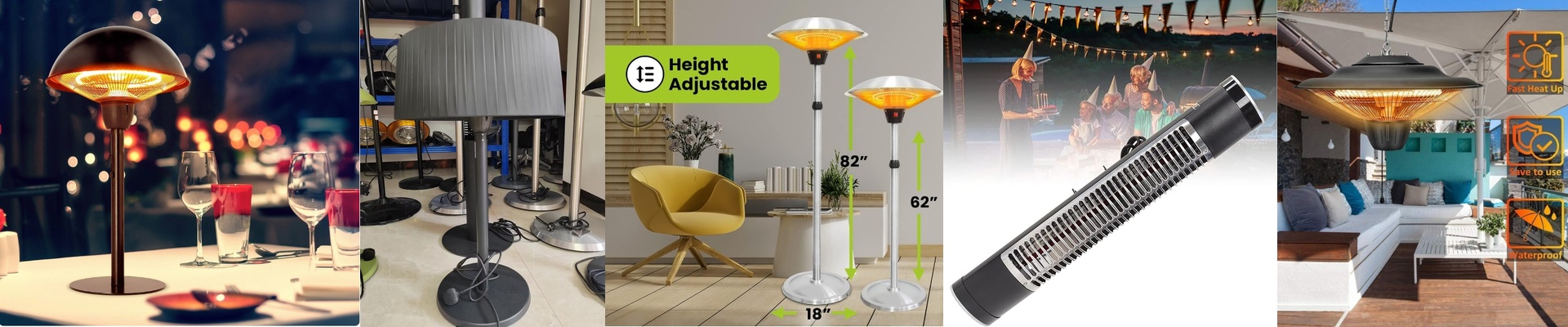
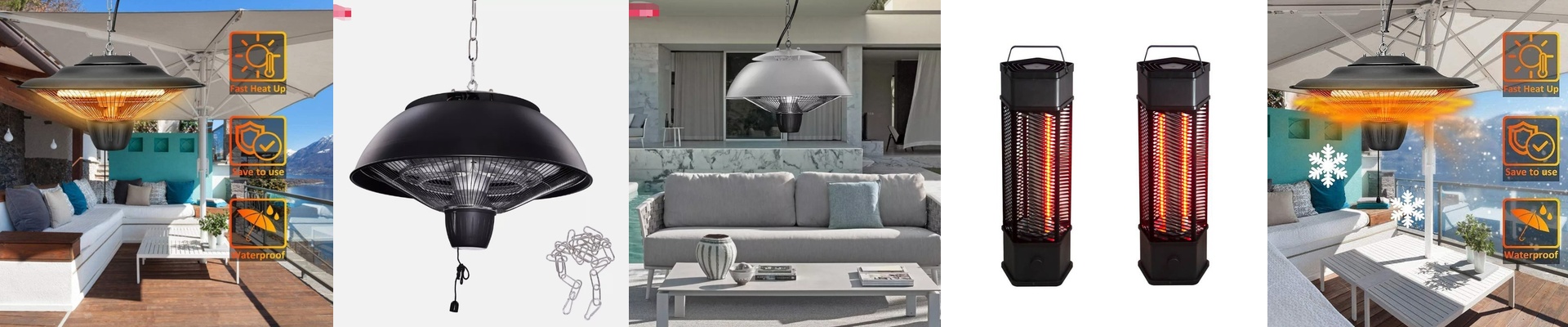
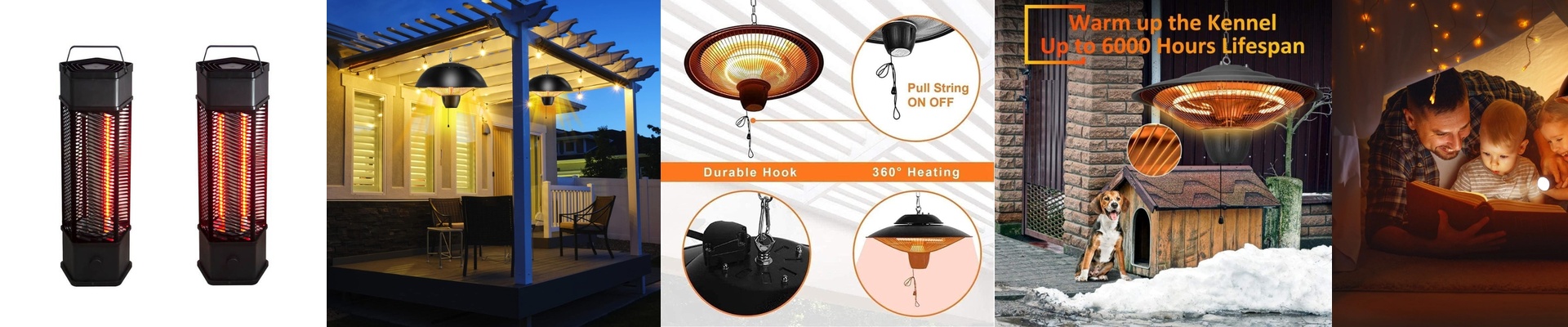
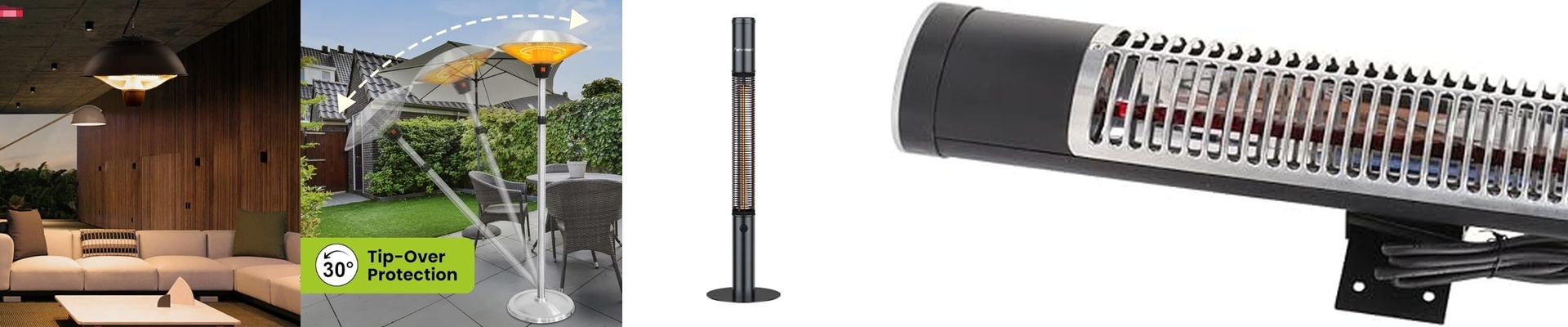
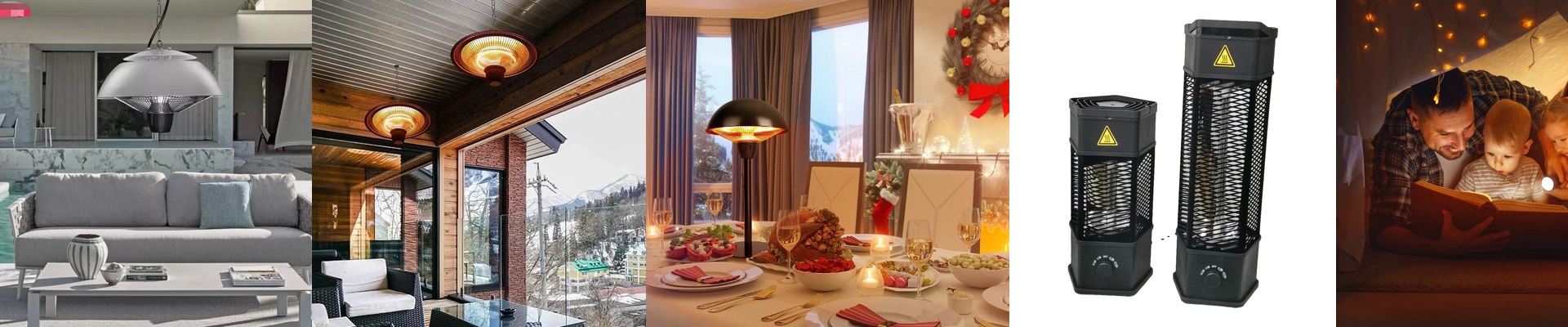
A cold wind sneaks under the station canopy. Out at the outdoor tables, hands tighten around cups and the small talk dies fast. When people get uncomfortable, they leave—plain and simple. We built our wall-mounted electric heaters to stop that exodus, throwing infrared warmth right where it’s needed, the second it’s needed.
What’s actually under the hood
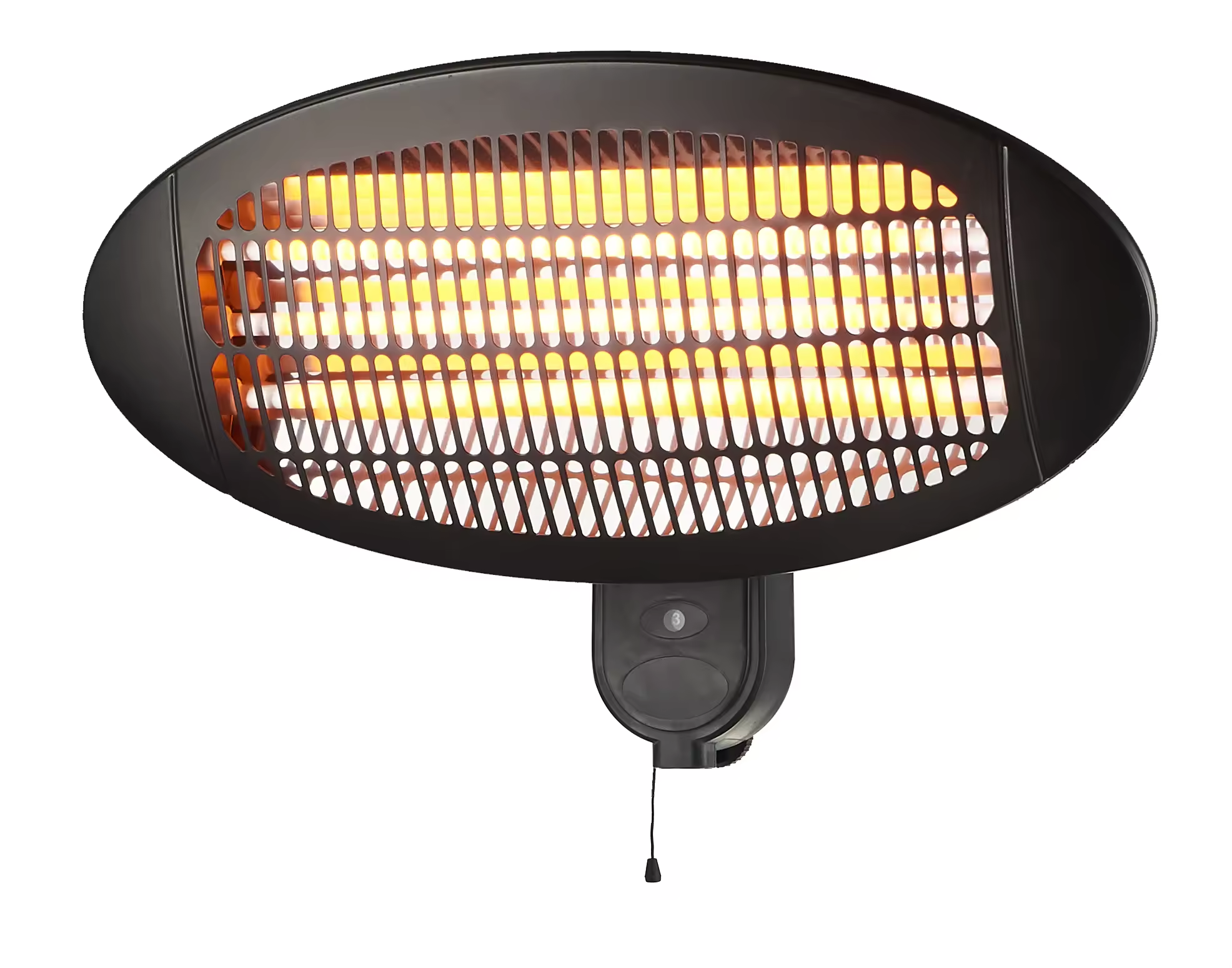
We run these units on short-wave infrared elements, backed by a reflective panel that pushes more radiant heat forward instead of letting it soak into the wall. The payoff is directional warmth—the kind you feel from a surface warmed by the sun—without trying to heat the whole column of air around you. In practice, a 240V model can deliver 2–3 kW, heating people and objects directly. The front grille stays cool to the touch, and you get internal thermal protection plus tip-over protection—handy in spots where people and chairs are always on the move.
Why this approach fits the job
In transit hubs and outdoor cafes, comfort is part of the service. Infrared heat comes on instantly—no warm-up, no drafts. Patrons stick around longer, staff tolerate the shifts better, and the cold-spot complaints drop off. Because the heat is focused, you’re using energy closer to what’s actually needed to keep people comfortable, not what it takes to warm empty air. For station operators and cafe owners, that means a more welcoming space without chasing heat around the room.
What you need to get right
Installation is straightforward: mount to a structural wall, wire it to a dedicated circuit, and dial in the thermostat to the comfort level you want. Keep the unit at least 1 meter above the floor and clear of furniture and fabrics so you maintain safe clearances. These heaters are built for outdoor and semi-enclosed areas, but they do best when they’re shielded from direct, heavy rain. In very damp spots, stepping up to a higher IP rating or adding extra weather protection is the sensible move.