




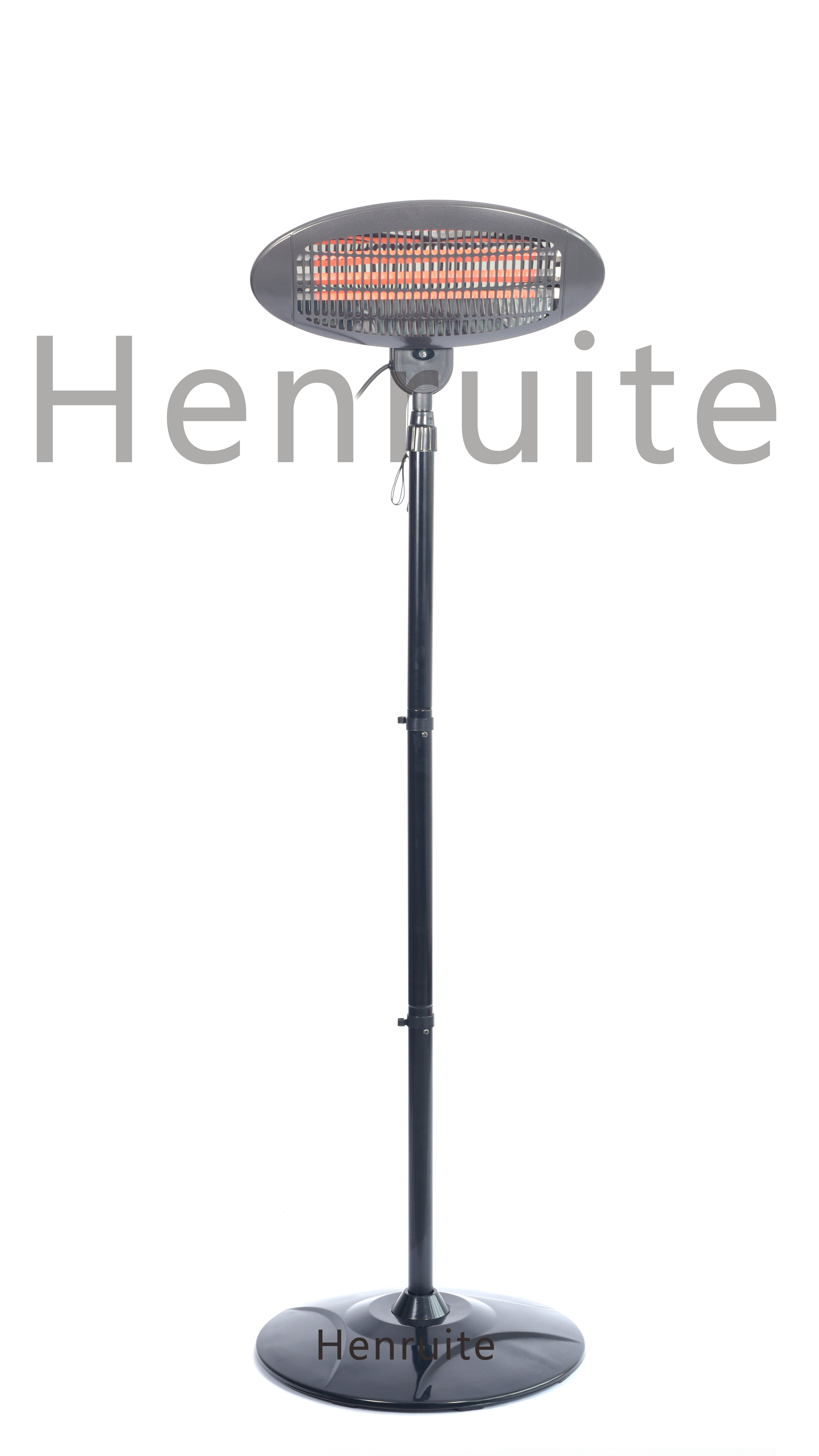
Winter evenings have a way of turning a cozy living room into a tug-of-war between comfort and dry air. Forced-air heat warms the space, sure, but it also robs moisture from your skin, your furniture, and the air itself. The payoff is that familiar tight throat, static shocks, and an overall feeling of being uncomfortable.
What matters under the hood
Infrared patio heaters run on a different principle. They don’t heat the air; they emit radiant heat that travels in straight lines and warms objects and people directly. It’s the same kind of gentle warmth you feel from the sun on a cool day. Inside, we use a carbon fiber heating element that produces medium-wave infrared. That wavelength slips through the air with minimal absorption, so the air stays put—and so does its moisture. The heat lands on your skin and furniture, delivering warmth without the dehydrating hit.
Why it clicks indoors
In a living space, that difference shows up fast. You get warmth right where you need it, without the constant on-off cycling of a central heater that dries everything out. The air keeps its natural humidity, so your skin and sinuses stay comfortable. For you, that means fewer dry-air side effects, lower energy use because you’re heating bodies and surfaces, not the whole volume of air, and a more even, consistent feel. It’s targeted comfort that keeps the room’s balance.
The details that make the difference
Infrared heating is direct, so placement matters. Aim the heater so the radiant field covers the main seating area, and keep a clear distance from curtains or other combustibles. Most units are electric and plug into a standard outlet, but check the power draw against your circuit. Also, infrared preserves humidity—it doesn’t dehumidify. In very damp spaces, pair it with proper ventilation to keep the room feeling fresh.