
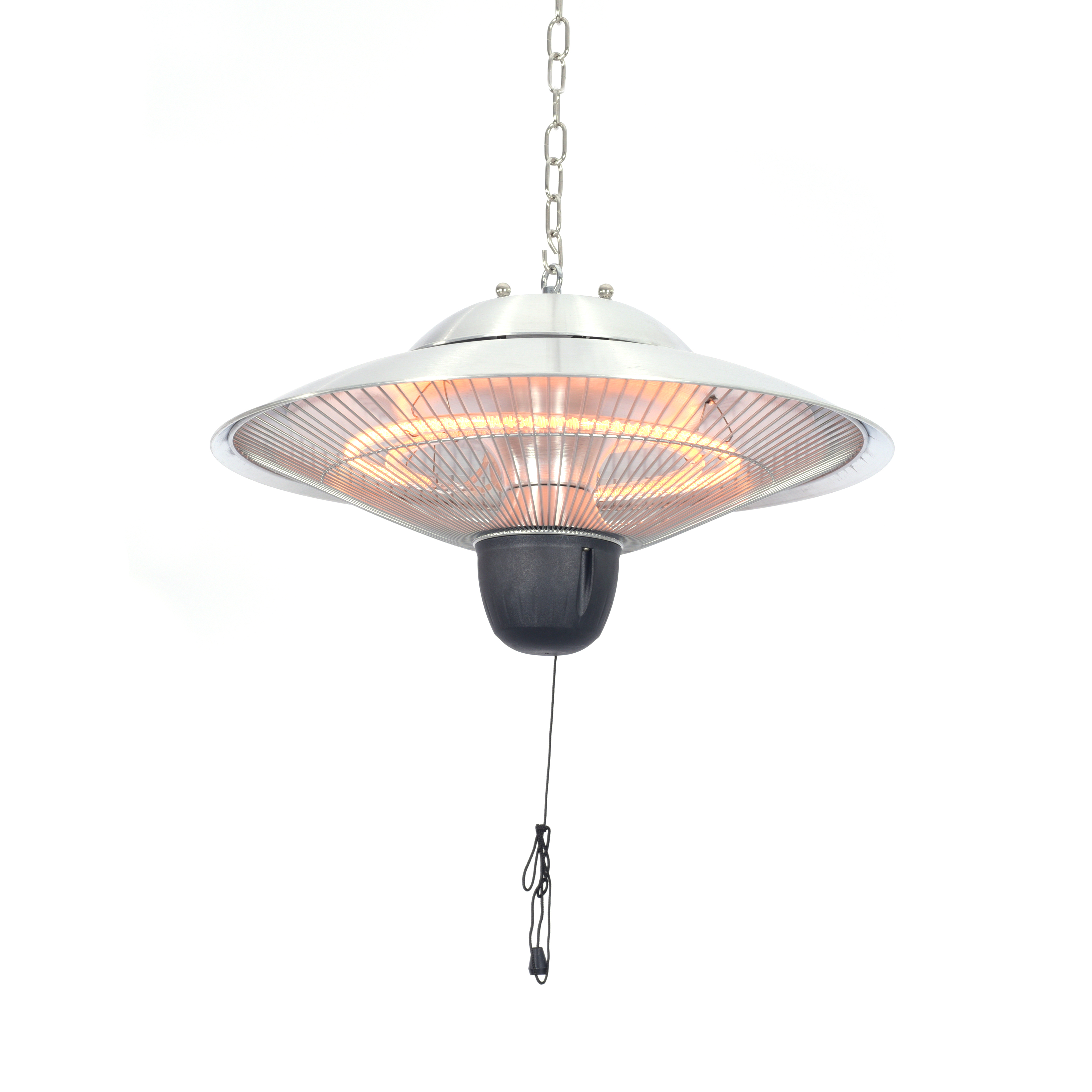
Fixing the “Freezing” Problem in Changing Rooms
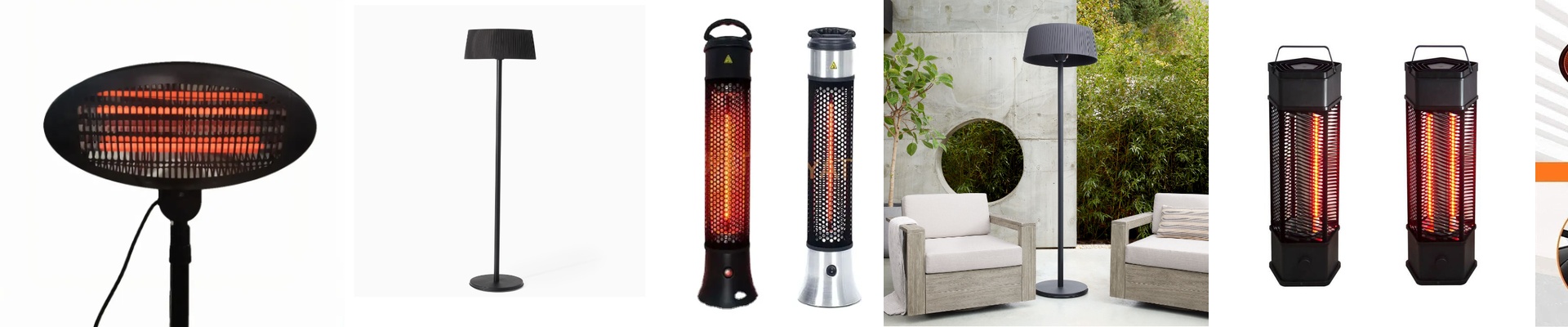
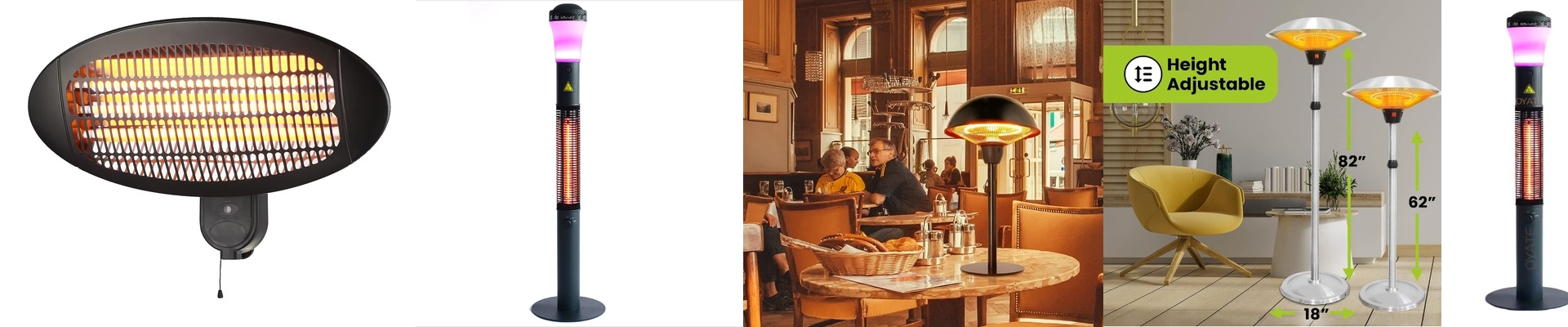
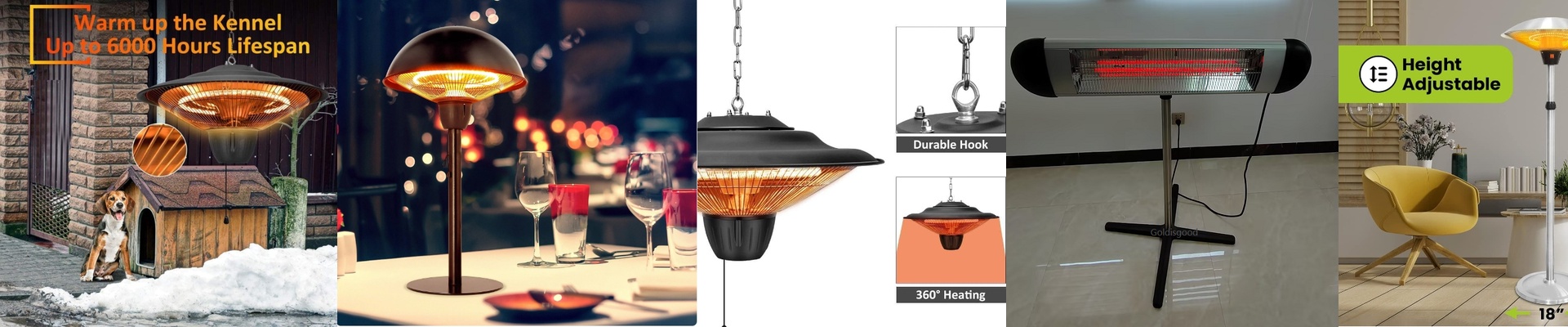
Let’s be honest: changing rooms are usually freezing. Between the doors constantly swinging open and the heavy-duty ventilation systems, you’re basically fighting a losing battle against a draft. We’ve found that the best way to handle this isn’t by cranking up the AC or adding more vents. Instead, we use ceiling-mounted infrared heaters. Here is the secret: most heaters try to warm up the air. But air is slippery; it moves, it leaks, and it disappears. Infrared is different. It sends heat in a straight line, hitting people and objects directly. It’s the same feeling you get when you step into the sun on a chilly winter morning. Warmth, immediately. These units use short or medium-wave emitters. The second you flip the switch, the filaments heat up. There’s no waiting for a furnace to kick in or air to push through a maze of ducts. The heat just penetrates your clothes and warms your skin instantly. It completely ignores the cold air floating around you. Why the ceiling? We put them overhead for a reason. Heat naturally wants to go down, and by placing the emitters on the ceiling, we hit the shoulders and head first. That’s where you feel the chill the most, so it’s the smartest place to start. A few things to watch out for. You can’t just slap these anywhere. Placement is everything. If you hang them too high, that “warm hug” feeling vanishes and the heat gets too thin. But if they’re too low? You’ll end up with “hot spots” that make people feel like they’re standing under a heat lamp at a buffet. It’s a balancing act. Then there’s the electrical side. These things pull a lot of power the moment they start up. If your breakers aren’t rated for that initial surge, you’re going to have a bad time. We also always use high-temperature wiring for the ceiling runs. You don’t want your insulation degrading over time just because the heater is doing its job. Get the wattage right for your ceiling height, and you can turn a shivering, drafty room into a cozy space in a matter of seconds.