
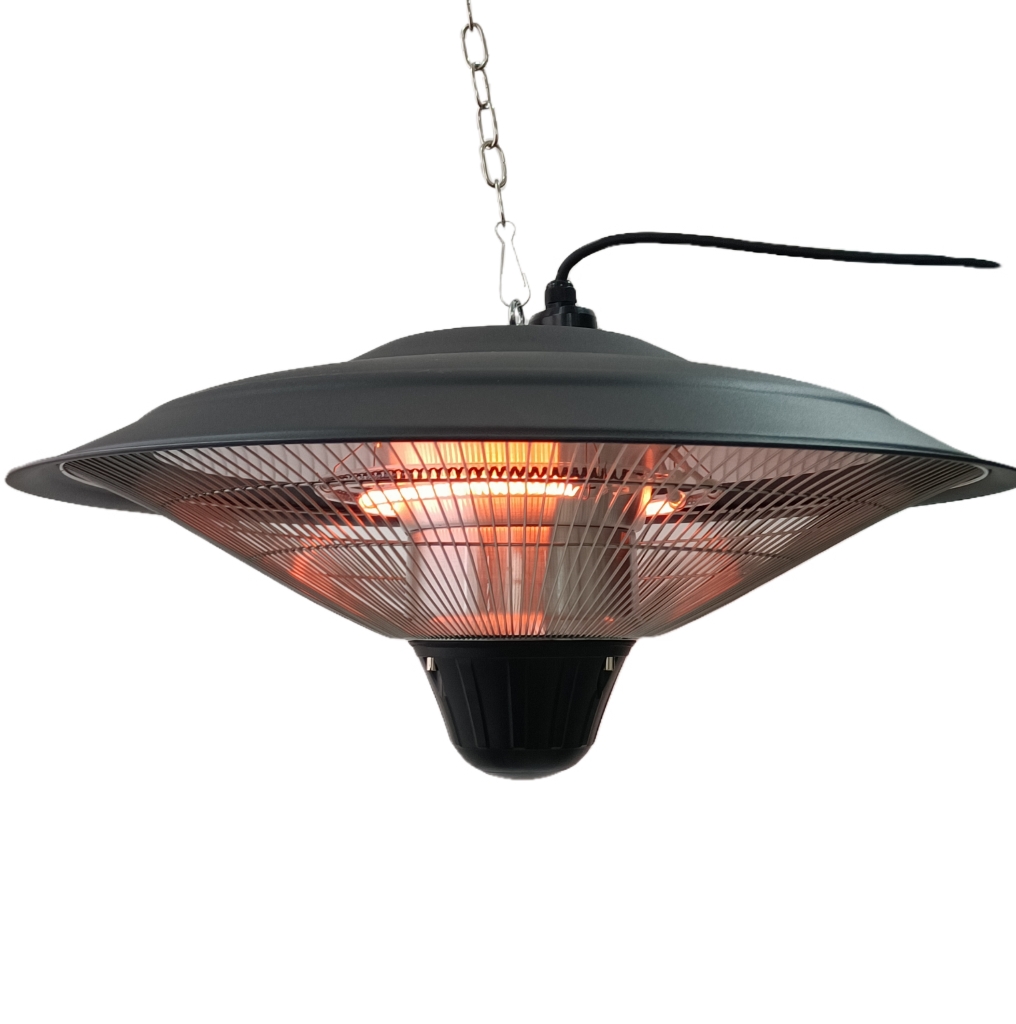
Why We Stopped Making “Disposable” Patio Heaters
Most IP55 patio heaters are basically sealed boxes. They’re great at keeping out dust and rain, but they have a nasty habit of becoming expensive scrap metal the second a heating element dies. Usually, the tubes are welded in or buried so deep in the chassis that you can’t even reach them. If one part breaks after five years of hard use, you’re forced to toss the whole thing. That just felt wrong to us. So, we changed how we build them.
Making repairs actually doable
We decided to split the heating module away from the main weatherproof shell. Now, instead of tearing the whole machine apart, you just open a service panel. We use simple slide-in brackets and standard connectors. It’s pretty straightforward: you pull out the dead tube, drop in a new one, and you’re done. No messing around with internal wiring and no worrying that you’ve ruined the weather seal.
The battle against heat
Here’s the tricky part: when you seal something tight enough to hit an IP55 rating, you’re essentially creating an oven. All that heat stays trapped inside, which is a nightmare for the electronics. To stop the control board from frying, we added oversized heat sinks and left some breathing room around the module. You still get the protection against grit and rain, but the guts of the heater don’t bake themselves to death.
Real-world maintenance
Replacing a tube shouldn’t be a half-day project. With this setup, a tech can swap an element in under ten minutes. It’s a massive relief not to have to buy a brand-new unit every time a filament snaps. One quick heads-up, though. When you’re putting it back together, make sure the gaskets are seated perfectly. If the seal gets pinched, the rain gets in, and that’s where the real trouble starts. To make it easy, we throw in a fresh set of seals with every element kit.