
Making Bathroom Heat Lamps That Won’t Blind You
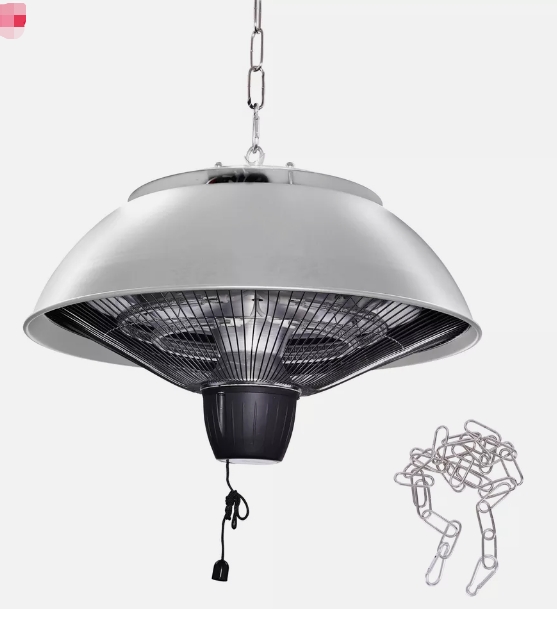
When you’re designing a heat lamp for a bathroom, you’ve got a tricky balance to strike. You want that instant, cozy warmth, but you can’t have it coming at the cost of someone’s eyesight. This is especially true when babies are in the mix. Their eyes are way more sensitive than ours, and those standard short-wave lamps? They can be blinding. Just a harsh, stabbing glare that nobody wants. Tuning the light So, how do we fix that? It comes down to what’s happening inside the bulb. We play around with the filament and the quartz glass to shift the energy. Instead of pumping out a bunch of visible light that hurts to look at, we push the energy toward the long-wave infrared side of things. The result is a lamp that warms the skin beautifully without overloading the eyes with a wall of bright light. It’s not about just dimming the bulb—it’s about filtering out the specific wavelengths that cause that nasty glare. The build The hardware has to be just as smart. We use high-purity quartz glass so the heat actually gets where it needs to go. To keep the light feeling soft, we often add frosted coatings or use reflectors that spread the beam out. This stops those “hot spots” from hitting you right in the face. It makes the whole experience feel gentler. The trade-offs Now, here is the honest part: you can’t have everything. When you soften the spectrum to protect the eyes, the lamp takes a few seconds longer to hit its peak temperature. It’s not instant like the blinding ones, but it’s a trade-off worth making for safety. Just a heads-up on the tech side: make sure your power supply can handle the initial surge of these filaments. If you don’t, you’re looking at a burnt-out lamp way sooner than you’d like. And if you’re installing these in a steamy bathroom, please—double-check your seals. If moisture gets onto that quartz glass, it creates stress points. If you flip the switch on and off too quickly, that glass can actually crack. Keep it dry, and it’ll last.