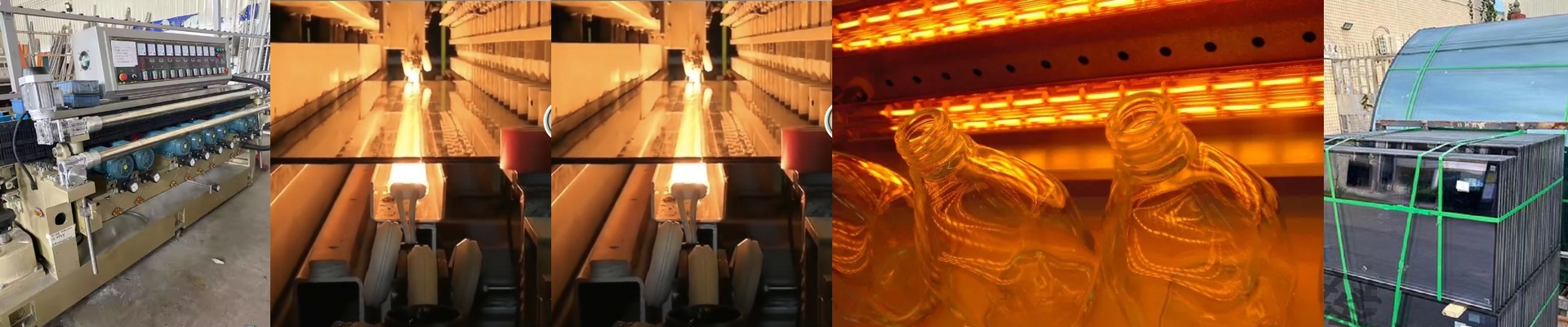
On the line, one slow-drying ink stage is enough to bring the whole day to a crawl. And when heat isn’t hitting evenly, you start seeing hairline cracks, warped edges, or that telltale optical distortion—scrap that quietly kills margin and pushes your delivery dates out. The answer comes down to how the heat lands on the glass.
What actually matters, technically
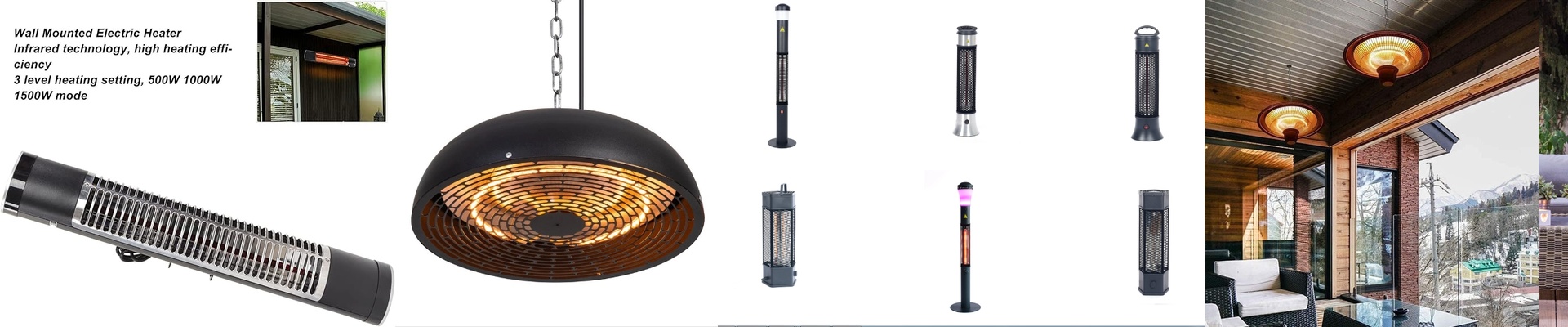
We use short-wave quartz emitters on the decorative ink dryer, so the energy goes straight into the ink instead of leaning on bulky convection heating. That gives you a tight, repeatable thermal profile: the ink cures fast while the substrate stays stable. Across the belt, we hold temperature uniformity within ±2°C. That matters because it cuts down the thermal stress that shows up as breakage later—especially when the glass hits tempering and bending. The unit fits standard conveyor widths, runs on 400 V three-phase, and plugs into PLC control without a fight. In practice, you get shorter dwell time without pushing the substrate temperature through the roof.
Why this approach fits the work
Decorative ink needs to dry quickly, but not if it costs you the substrate. With this dryer, curing happens in seconds, so the tempering furnace and lamination line get a steady, predictable rhythm. Fewer rejects from stress fractures and optical distortion mean yield climbs, and optical clarity stays consistent. Energy use drops, too, because the heat goes where it’s needed—into the ink—instead of heating up the whole shop. For high-throughput glass processing, that translates into more parts per hour and fewer quality issues slipping through.
The practical details you can’t skip
Installation is straightforward, but you have to dial in line speed and emitter height for the specific ink and glass thickness. Thin coatings can scorch if the dwell is too long; thicker layers need more intensity. Plan a short commissioning window to set the profile and confirm belt tracking. And keep the quartz emitters clean—inspect them on schedule. Performance stays consistent only when the window stays free of deposits.