Stop the Cracking: Why Custom-Length Heaters Actually Matter for Glass Annealing
Ever had a piece of glass snap right as it’s cooling? It’s frustrating. Most of the time, it happens because of uneven heat. If your heating elements can’t hit every single corner of a complex part, you end up with cold spots. Those spots create internal stress, and—pop—there goes your hard work.
The struggle with “standard” lamps
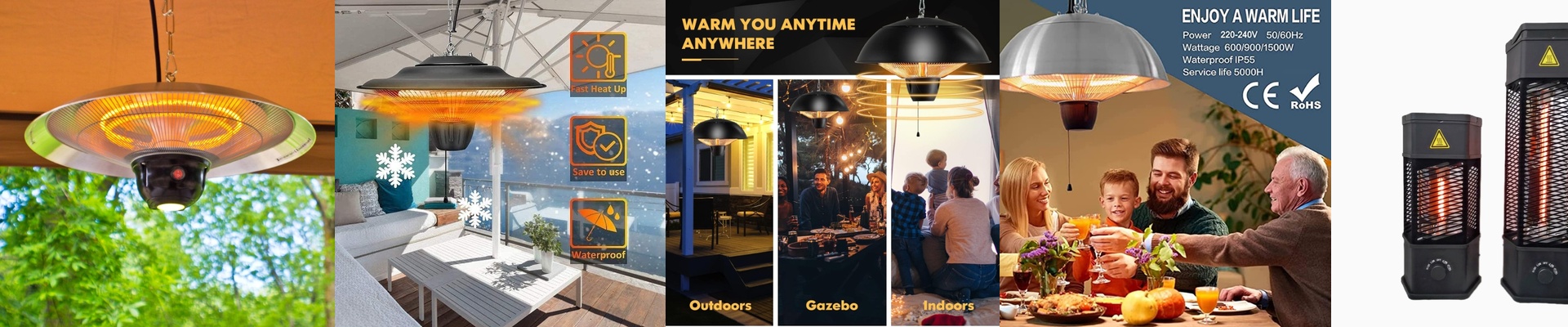
Here’s the thing: most infrared lamps come in fixed sizes. But your bending furnace isn’t always “standard.” When you try to jam a stock lamp into a non-standard setup, you usually end up with gaps or awkward overlaps. You get these annoying “hot stripes” and “cold zones” across the glass. And if your floor space is already tight, you can’t just move the whole machine to fit the lamp. You need the lamp to fit the machine. Period.
Getting the heat exactly where you need it
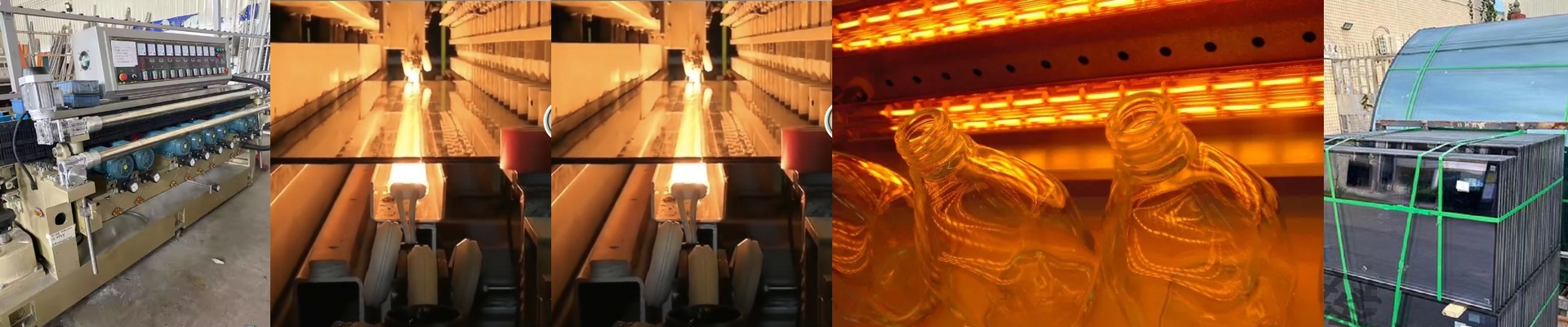
That’s why we make quartz infrared heaters to your specific length and shape. Instead of guessing where to place a lamp and hoping for the best, you can map the heat output to the actual shape of your glass. It takes the guesswork out of the equation. Plus, custom lengths mean you can pack emitters closer together in those cramped, awkward spaces without worrying about electrical shorts or things bumping into each other. We can even tweak the wattage per centimeter. This means the heat density actually matches your annealing curve, rather than just “getting close enough.”
The “catch” (and how to handle it)
Now, customization fixes the layout, but it does change your electrical load. Since a custom lamp has a different resistance than a stock tube, you’ll need to check your transformers and controllers to make sure the impedance matches. Also, a heads-up: if you crank up the heat density to make up for a smaller footprint, your cooling fans are going to have to work a bit harder. You don’t want your furnace housing warping just because the inside is running hot. We design these emitters to be simple drop-in replacements for your current rigs. You get steady, uniform heat. The glass stays happy. And the Cracking finally stops.