




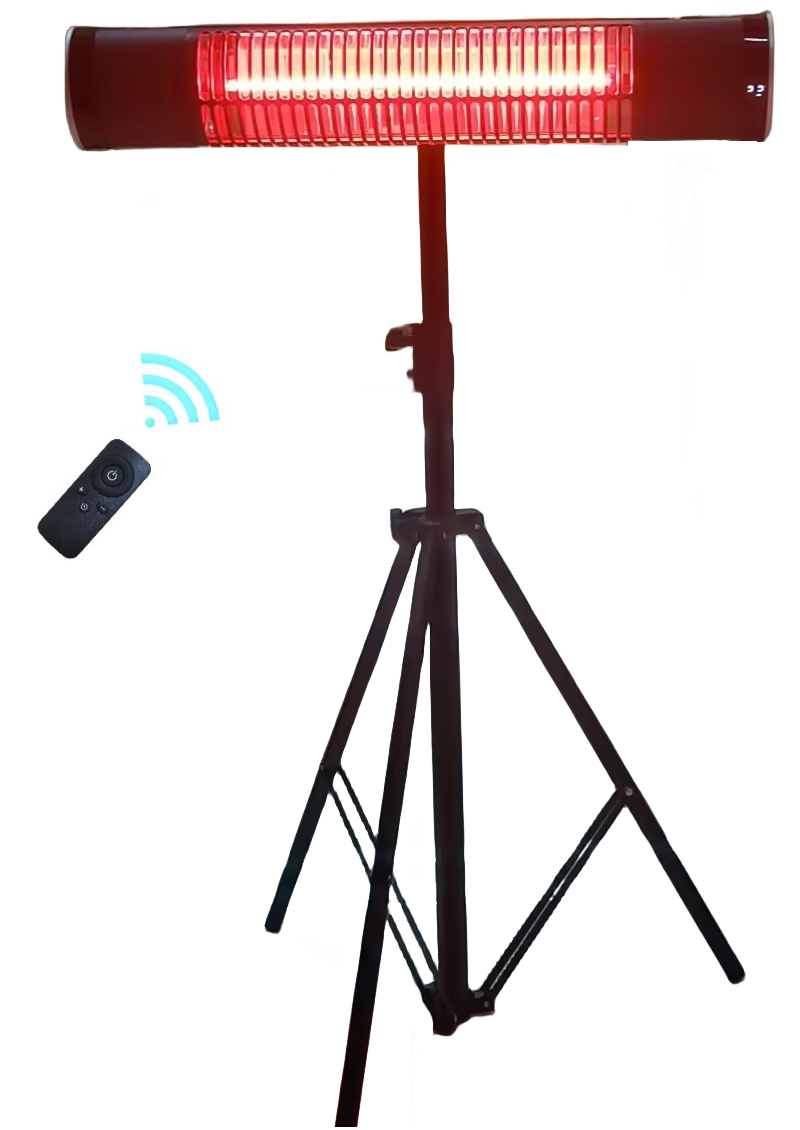
Keeping Your Infrared Heating Tables Safe (And Dry)
If you’re putting infrared heating in a bathroom or a steam room, you’ve got one main enemy: moisture. It’s everywhere. Water vapor loves to settle on electrical contacts, and once it does, it creates a path for electricity to go where it shouldn’t. That’s how you end up with short circuits or, worse, leakage currents. To make sure everything is actually safe, we don’t just slap a plastic cover on it and call it a day. It’s about the IP44 standard and keeping live parts far away from anything they shouldn’t touch. What’s the deal with IP44? Basically, an IP44 rating means the housing keeps out anything larger than 1mm and can handle water splashing at it from any angle. In a steamy bathroom, this is what stops droplets from landing right on the heating element’s terminals. We use sealed gaskets and recessed housings to keep the wet stuff out. It’s a simple fix, but it’s vital. If a seal fails, the humidity will eventually eat right through standard insulation. Stopping the leaks To keep the electricity where it belongs, we isolate the infrared lamp using high-dielectric materials. We use ceramic insulators to hold the element. This keeps the current inside the filament so it doesn’t migrate over to the chassis. We also ground the outer frame of the table to a dedicated earth line. Why? Because if a wire frays or a component burns out, we want the breaker to trip immediately. You don’t want the surface of the table becoming energized. The tricky parts Here’s the thing about shortwave infrared: it heats up incredibly fast. But that heat is intense. If you use cheap rubber seals, they’ll just degrade. You have to use high-temp silicone gaskets to keep that IP44 seal tight. If you try to save a few bucks with standard PVC, those seals will shrink and crack in a few months. It’s just not worth the risk. One last tip: use moisture-resistant cabling and make sure your GFCI is rated for the actual load of the lamps. Without a solid GFCI, that IP44 rating is really just your first line of defense.