
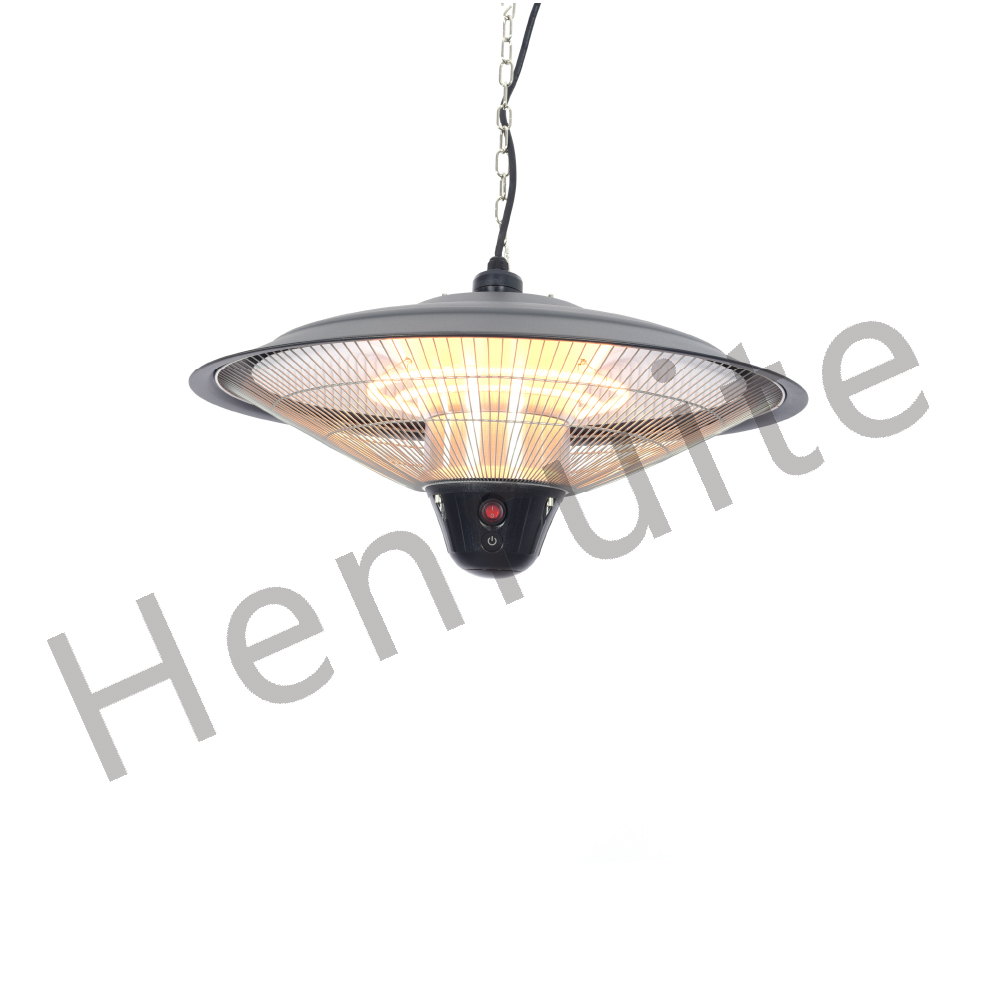
Keeping Infrared Heaters Safe in the Shower
Putting infrared lamps in a bathroom is a bit of a gamble if you aren’t careful. You’ve got steam everywhere and water splashing just about every surface. Here’s the problem: water loves electricity. If a stray drop hits a terminal or the quartz tube, you’re looking at a short circuit or a ground fault. Not exactly the vibe you want while taking a relaxing shower.
Getting the Seal Right
To stop that from happening, we use IP65-rated enclosures. But look, a plastic cover isn’t enough. You need a real, airtight bond between the lamp housing and the electrical junctions. We lean on silicone gaskets and sealed cable glands to keep the moisture out. Then there’s the heating element. We use high-grade quartz glass because it handles the heat without cracking and naturally keeps the electricity where it belongs. The real headache, though, is the end caps. That’s where things usually leak. We use reinforced seals at the connectors to make sure the humid air stays far away from the electrical path.
Heat, Stress, and Reliability
We don’t just hope it works; we test the dielectric strength. We need to be certain that zero leakage current is reaching the chassis. But there’s a catch. High-wattage lamps get incredibly hot. That heat creates a massive temperature swing that can chew through cheap seals, making them crack and let the dampness in. To fix that, we use fluorinated rubbers. They don’t get brittle or flake away, even after being heated and cooled a thousand times.
The Reality Check
Let’s be honest: no seal lasts forever. Over a few years, the quartz tube expands and contracts. That constant movement puts a lot of stress on those IP65 seals. It’s a good idea to check your gaskets every year or two. If one fails, moisture creeps toward the terminals and your RCD will trip. You can add some ventilation around the housing to help things last longer, though you might lose a tiny bit of that direct, cozy heat. It’s a fair trade for peace of mind.