
Making Your Factory Ceiling Heaters Actually Smart
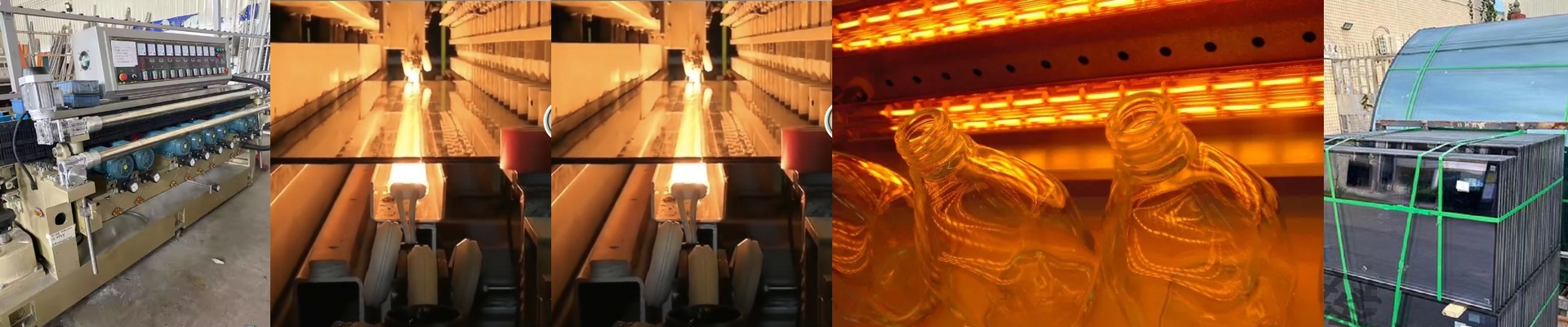
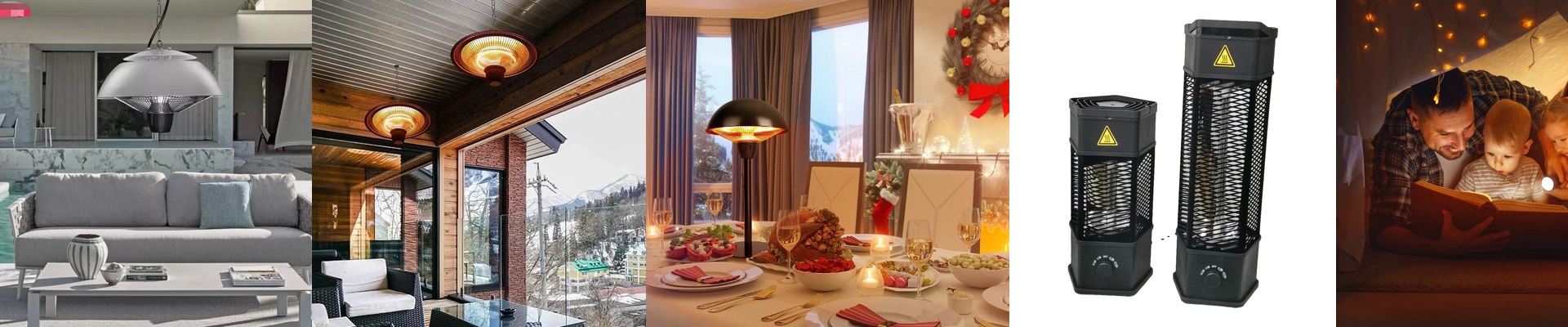
If you’ve ever worked in a massive warehouse, you know the struggle. You turn on the heat, and you just… wait. You’re waiting for the air to warm up, but the heat just floats to the ceiling while you’re still shivering on the floor. That’s why we use radiant heaters. Instead of trying to warm up every cubic inch of air, these things beam heat directly onto you and your gear. It’s like stepping into a patch of sunlight on a cold day. But the real magic happens when you stop relying on old-school thermostats and hook them up to a smart system.
Heat That Hits Instantly
Here is the thing about infrared energy: it travels in a straight line. It doesn’t mess around with air currents. When you pair these heaters with smart relays or PLC controllers, you get warmth the second you need it. Imagine hitting a button on your phone or having a sensor trigger the heat the moment the temperature dips. You don’t have to wait for the room to “warm up.” You feel the heat on your skin immediately, even if the air around you is still freezing. It just feels better.
Getting the Tech to Talk
We usually get these heaters talking to the rest of the building using Wi-Fi, Zigbee, or Modbus. It basically turns your heating into a “one-click” operation. No more walking across a loud floor to flip a manual switch or cranking a rusty valve. One detail we’re careful about is the “cycling.” If a heater clicks on and off too fast, you’ll burn out the filaments. To stop that, we use PID controllers. They act like a dimmer switch, smoothing things out so your equipment actually lasts.
The “Gotchas” (What to Watch For)
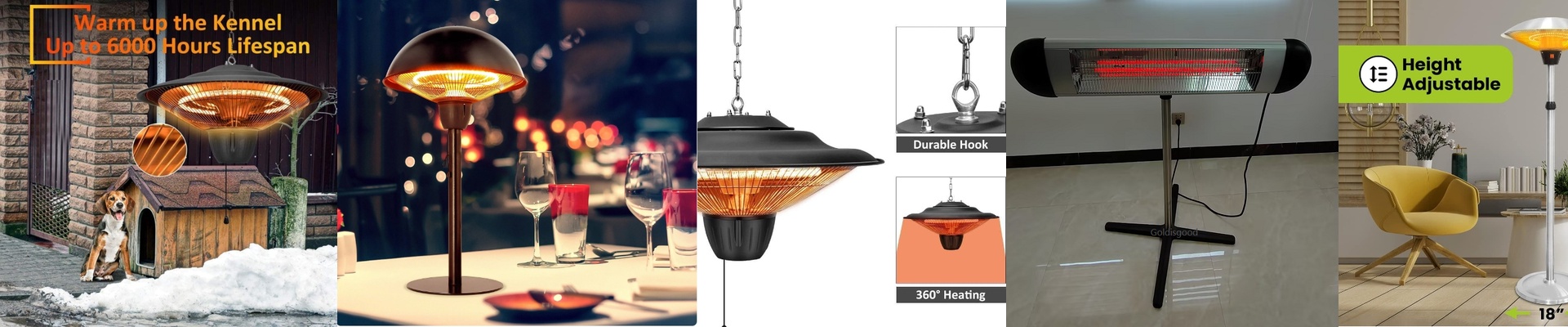
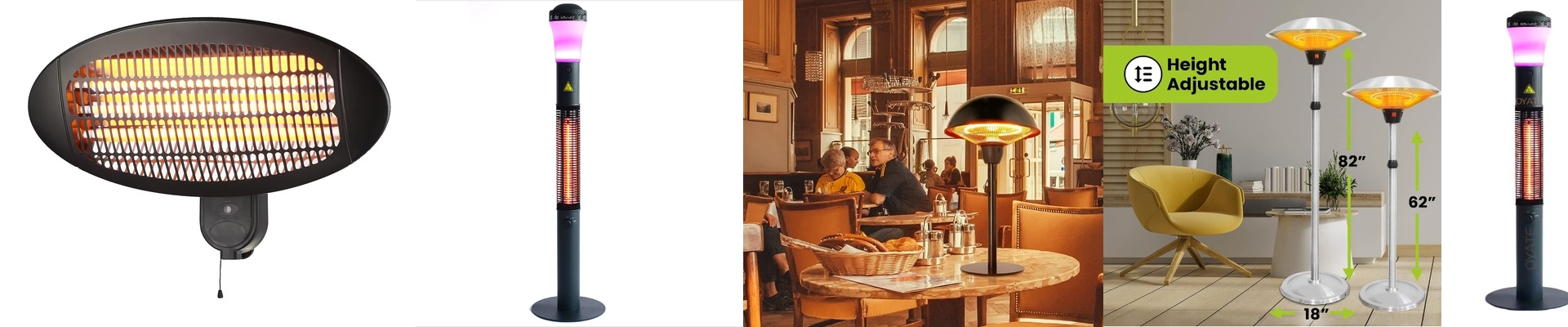
It sounds great, but you can’t just plug twenty 3kW panels into one circuit and hope for the best. You’ll trip your breakers faster than you can say “power outage.” The trick is to balance that “instant-on” feeling with what your electrical panel can actually handle. We usually program the software to stagger the start-up. Instead of everything slamming on at once and spiking your grid, the heaters wake up in a sequence. And a quick tip on placement: get the height right. If they’re too low, you’ve got “hot spots” where people are roasting. Too high, and the heat vanishes before it ever reaches the floor. It’s all about finding that sweet spot.