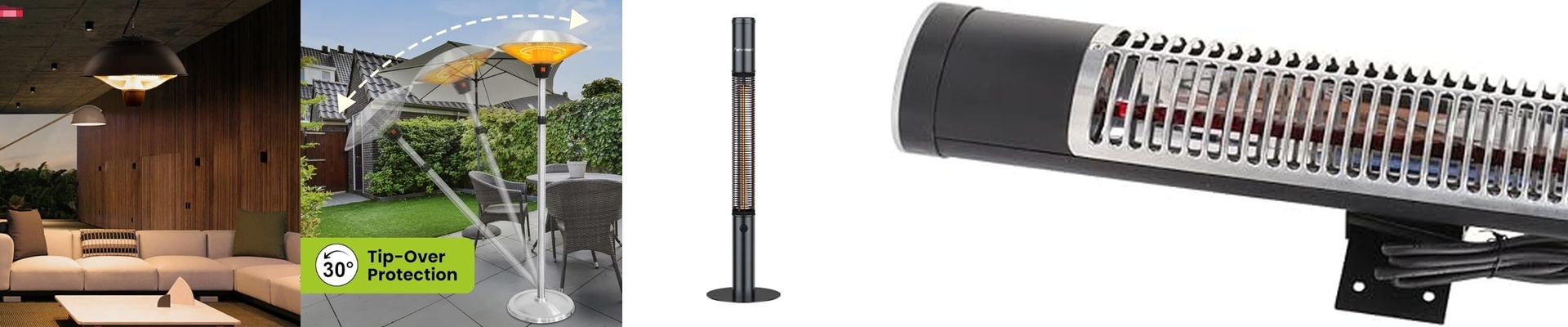
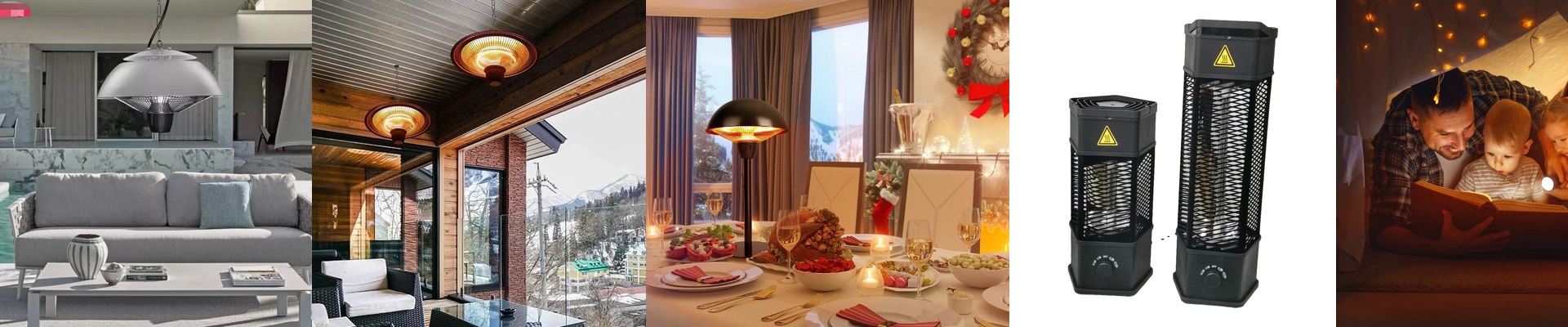
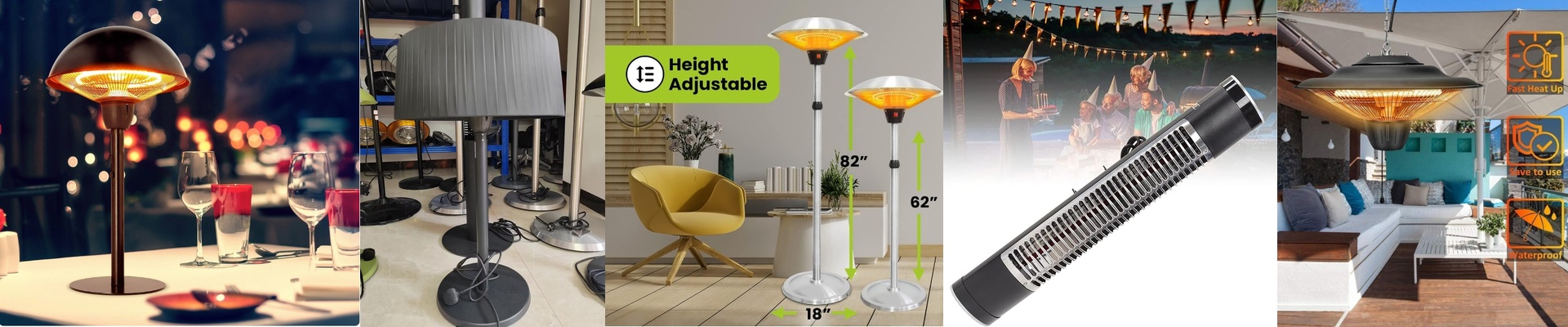
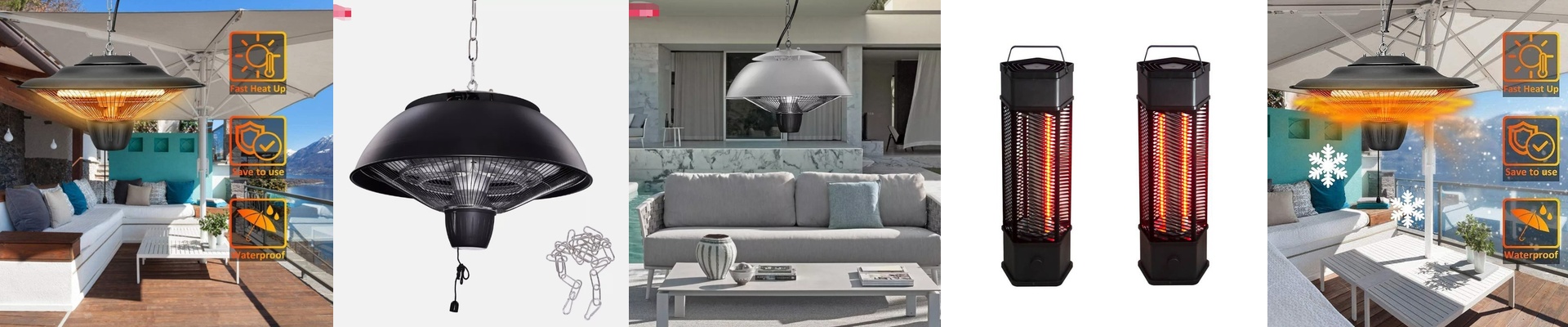
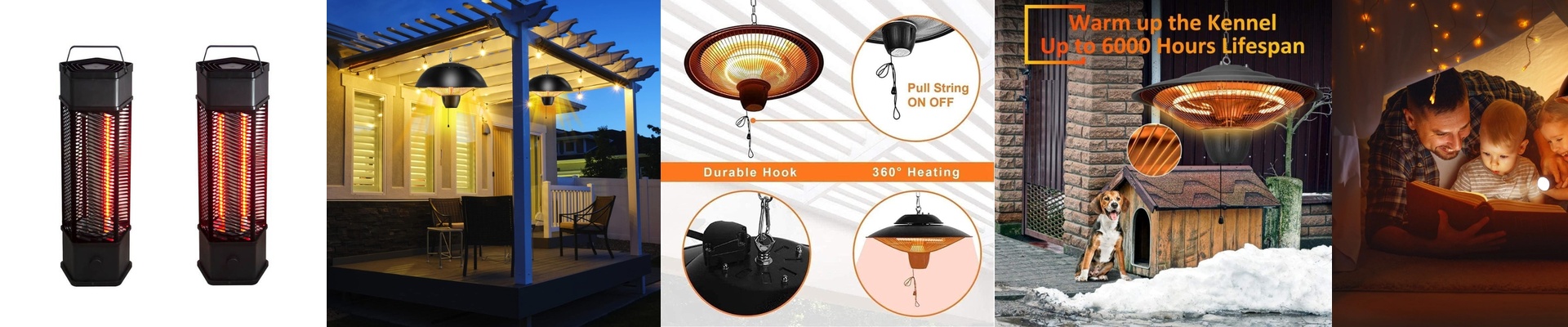
Off-grid living feels free—until the sun dips and the cabin turns sharp with cold. Then the question hits: how do you keep warmth steady when there’s no grid to fall back on? An in-wall electric fireplace, built around true infrared warmth, is designed to answer that by running clean off a solar photovoltaic setup.
What matters, technically
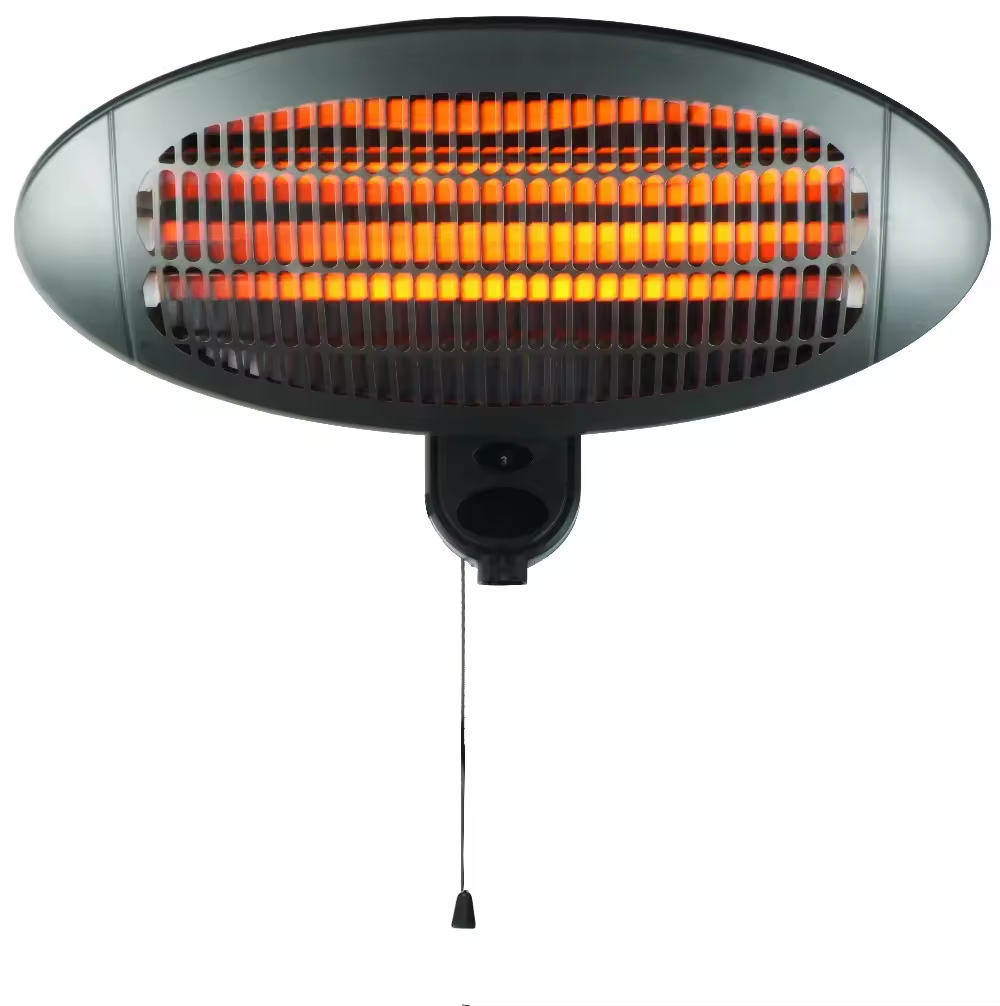
Infrared heat doesn’t warm the air first. It warms people and surfaces directly—just like the sun. Inside an in-wall electric fireplace, a carbon-fiber element or quartz tube turns electricity into radiant heat, carving out a focused comfort zone. A 1.5–2.0 kW model on 120 V can heat a typical 250–350 sq ft room without pushing the system too hard. Add a built-in thermostat and tip-over protection, and you get steady, quiet operation—plus a safety baseline that matters when you’re remote.
Why it fits off-grid
Paired with a solar PV array and battery, an infrared electric heater can run straight off DC, or through an inverter, depending on how you design it. In practice, that means you can keep the main living space comfortable without firing up a propane burner or leaning on a small generator. For many off-grid homes, a well-sized solar setup can cover the heater’s daily draw for several hours. On clear winter days, that pushes energy self-sufficiency into the 70–90% range—higher if the home is tight, well-insulated, and the heater is sized correctly.
The details you can’t skip
This is an installation-forward choice. The unit needs a dedicated circuit, proper clearance inside the wall, and a sealed, insulated enclosure so you don’t lose heat behind the finish. It also performs best when the room is sealed against drafts. Infrared warmth feels strongest when it isn’t fighting leaks. Plan the wiring early, and you end up with a tidy wall that quietly delivers heat—right where you need it.