


Fixing Those Annoying Cold Spots in Glass Annealing
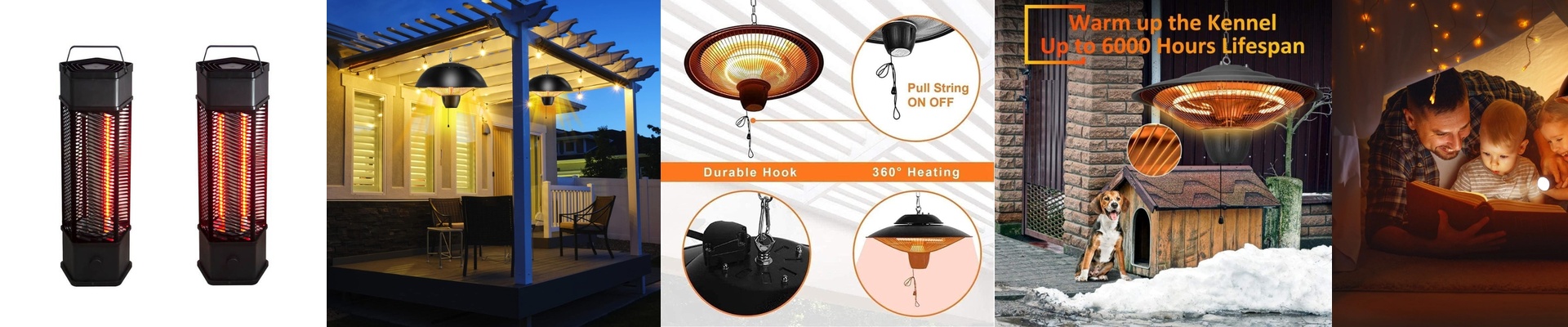
Ever deal with those frustrating “dead zones” when annealing glass? It usually happens with the tricky stuff—pieces with narrow necks or deep bases. You think the kiln is doing its job, but these cold spots linger, creating internal stress that eventually leads to a crack. It’s a nightmare. To fix this, we stop relying on the air. Instead, we use short-wave infrared (IR) lamps. Think of it as beaming heat directly into the glass rather than waiting for the air to warm up and drift around.
Why this actually works
Most ovens just heat the air. IR lamps heat the glass itself. We set up quartz halogen tubes in specific patterns to hit the exact curves of your piece. Because these lamps pack a ton of heat into a tiny space, you can tuck them right up against the workpiece without needing some giant, bulky housing in the way. The secret is the wavelength. Short-wave IR cuts through the glass surface way faster than the long-wave stuff. This means the thick core of your container hits the annealing point at the same time as the outside. No more uneven cooling.
The gear side of things
We usually go with quartz envelopes and R7s or Sk15 connectors. I like these because when a tube finally burns out—and they will—you can swap them out in seconds. You can also hook them up to your existing PID controllers so the power adjusts based on what your pyrometer is seeing in real-time. The quartz handles the heat shock just fine, but here’s a heads-up: these tubes are fragile. If your conveyor vibrates or jolts, those lamps can snap. You’ll want some reinforced mounting brackets to keep everything steady.
The trade-offs
Here’s the catch. High-wattage IR lamps put out an incredible amount of heat, very quickly. It kills the dead zones, sure, but it’s a heavy pull on your power supply. Plus, that heat can migrate and fry your nearby sensor wiring if you aren’t careful. Make sure your cooling fans are positioned to pull that heat away from the electrical terminals. If you don’t, your connectors will fail way sooner than they should.