Getting the Balance Right: Silk-Screening and Glass Tempering
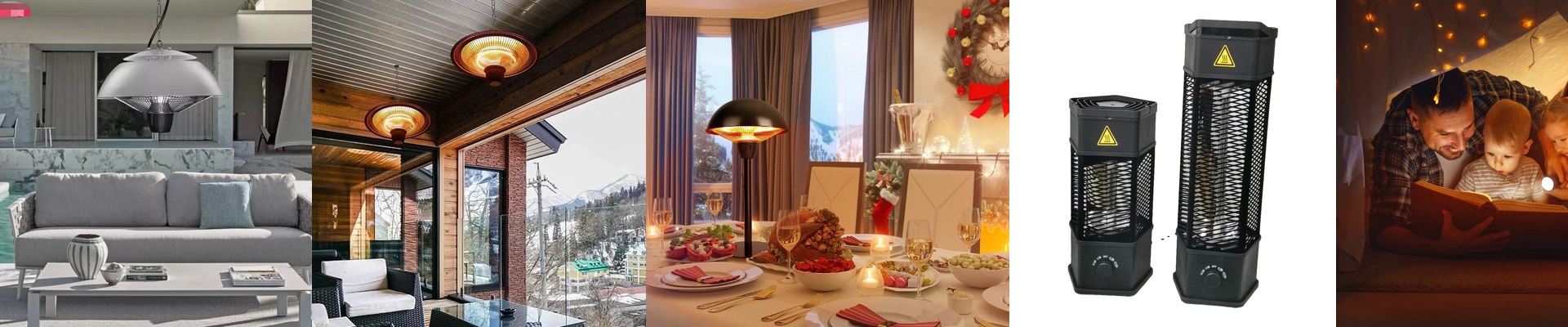
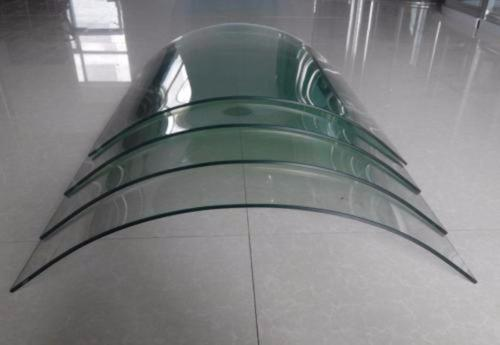
When you’re trying to combine silk-screen printing with tempering, you’re basically walking a tightrope. You need the ink to cure perfectly, but you can’t push the glass so hard that you ruin its structural integrity. It’s a tricky window to hit. That’s why we use short-wave infrared (IR) heating lamps. They do the heavy lifting by providing a massive burst of heat that sets the ink quickly, all while keeping the glass exactly where it needs to be for a proper temper.
Why IR Beats the Old Way
Standard convection ovens are just too slow. By the time the ink is actually cured, your glass has usually lost its thermal profile. It’s frustrating. Short-wave IR is different. It hits the glass surface almost instantly. We set these lamps to reach peak temperature in a matter of seconds. The result? Your patterns stay crisp and sharp. No bleeding, no blurring. Just clean lines. But there is a catch. These high-wattage tubes create intense hotspots. If you aren’t careful with your conveyor speed or the distance of the lamps, you’ll end up with scorched ink or, worse, warped glass.
Finding the Sweet Spot
Tempering is all about that sudden jump in temperature followed by a quick quench. Think of the IR stage as the warm-up. We tweak the wattage so the ink hits that magic curing point—usually between 600°C and 700°C—without accidentally softening the glass too early. You’ve got to keep a close eye on the surface temp. If the IR is too weak, the ink stays tacky and you’ll see defects the moment it hits the quench. Go too hot, and you’ve just weakened your glass. It’s a delicate balance.
Real-World Tips for the Shop Floor
Once you’re actually wiring this thing up, make sure your power supply can handle the surge. These lamps are thirsty for current. I always suggest using high-temp quartz sleeves. They protect the filaments from ink splatter, which saves you a lot of headaches down the road. And here’s a pro tip: don’t line your lamps up in a perfect row. Stagger them. If one lamp burns out, a staggered layout prevents a “cold spot” from forming on your glass, keeping the heat even across the whole piece.