Fitting High-Power IR Heat into Mobile Glass Repair
When you’re trying to cram high-performance infrared heating into a mobile glass repair bracket, you’re basically fighting a war against space. You can’t just take a standard heater and shrink it down. It doesn’t work like that. If you’re dealing with limited voltage and almost zero room to move, you have to get creative. The goal is simple: squeeze as much wattage as possible into every single millimeter.
The struggle with heat density
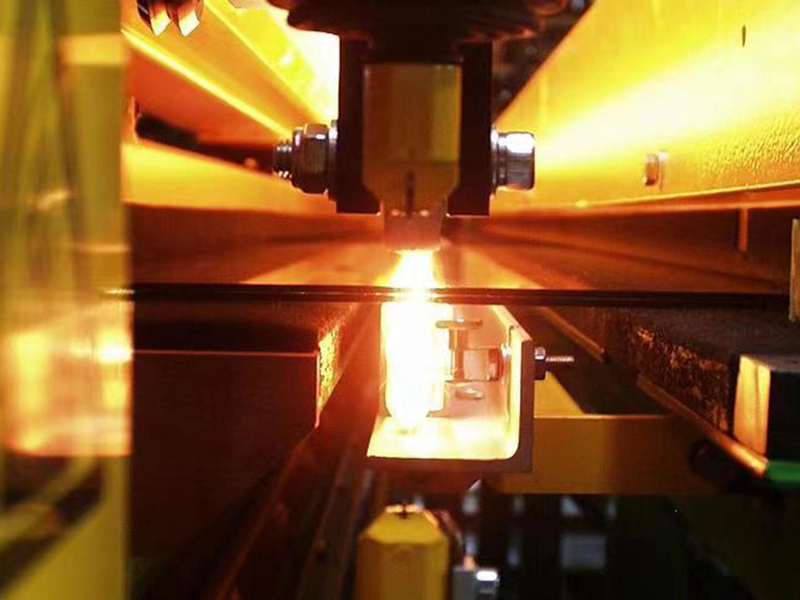
To get glass bonding or curing just right in a mobile unit, it all comes down to the watt density of the quartz tube. We usually go with short-wave infrared lamps. Why? Because they hit the glass with a concentrated burst of energy that sinks in fast. But there’s a catch. If you shove too many watts into a tiny tube, you’ll fry the filament. To stop that from happening, we play around with the voltage. Sometimes that means using thicker filaments, which can shift the light spectrum. Plus, the tube length has to be a perfect match for the bracket. If it’s off by even a bit, you’re just wasting heat at the ends.
Dealing with materials and tight spaces
We use quartz because it lets the IR radiation slide right through without soaking up the heat. Since these units are moving around in trucks and vans, we use reinforced quartz. It handles the bumps and vibrations of the road without cracking. The real headache, though, is the wiring. Trying to fit everything into a compact chassis is a puzzle. We use low-profile connectors to save space, but you have to watch the wiring gauge. If the wires are too thin, they’ll overheat the moment those high-wattage elements kick in. Not a great feeling.
The trade-offs you can’t avoid
Shrinking everything down comes with a price: thermal soak. Since the heating element is packed so tightly into the bracket, the whole housing gets hot. Fast. You can’t just hope for the best and rely on passive cooling. You’ll need a dedicated heat sink or a small fan to keep the electronics from melting while the lamp is doing its job.