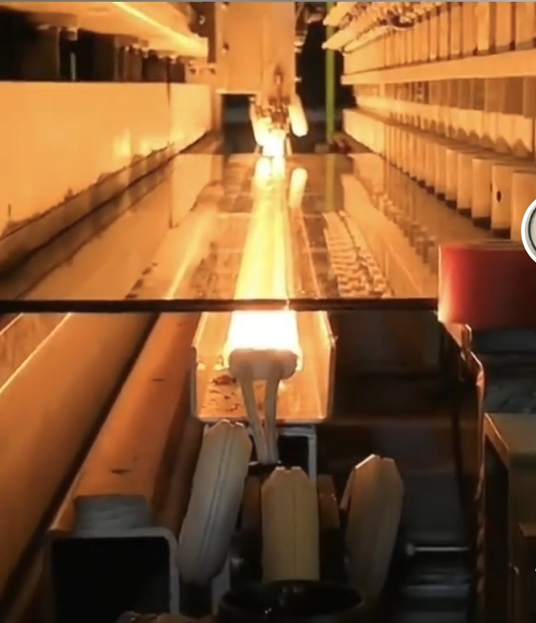
On the line, a lamp heating element that runs hot in one spot and cool in another isn’t just wasting power. It’s pumping uneven heat into the glass, and that shows up as hairline fractures, edge warp, or optical distortion after tempering, bending, or coating cure. We built our heat-resistant lamp wire to shut that variability down at the source. What matters, technically Our lamp heating elements use quartz or high-emissivity alloy wire in compact coils, engineered for stable resistance across long runs. The geometry is tuned to spread heat laterally, so the thermal field across the glass surface stays even. We match output to your process window, with power densities that hold setpoint without hot spots. You get repeatable temperature control, fast recovery after door cycles, and long service life under continuous duty. Here’s why it works in real glass work. Uniform heating keeps thermal stress low, so you hit yield targets on tempered automotive glazing, bent architectural pieces, and laminated safety glass. Cycle time stays consistent because the lamp comes up fast and holds steady, which cuts rejects from optical distortion and edge defects. Energy use drops because the element puts heat where it’s needed, with less loss to convection and re-radiation. For retrofits, the form factor drops into existing fixtures with minimal rework. A few practical notes. Match the lamp to the glass emissivity and your line speed. Higher power isn’t always better—overshoot drives thermal shock. Install with proper clearance to fixtures and reflectors to avoid localized overheating, and confirm voltage stability at the terminal. In humid or chemical-rich environments, protect connections and pick the right protective sheath to prevent early failure.