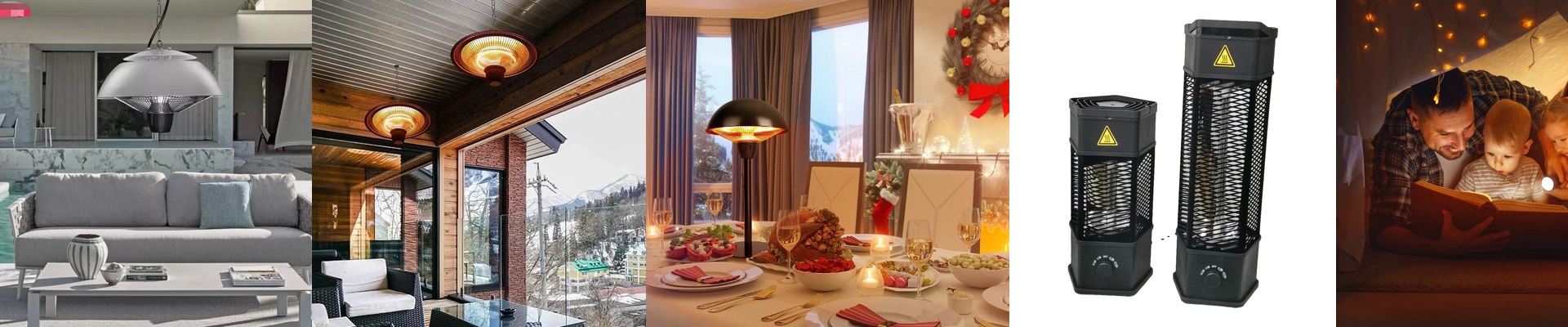

Public buildings—libraries, community centers, municipal offices—run on tight budgets. You know the drill: every degree on the thermostat shows up on the invoice. Come winter, forced-air systems heat empty air, then lose it every time a door opens. The outcome is predictable: energy bills climb, and comfort is uneven.
What matters, technically
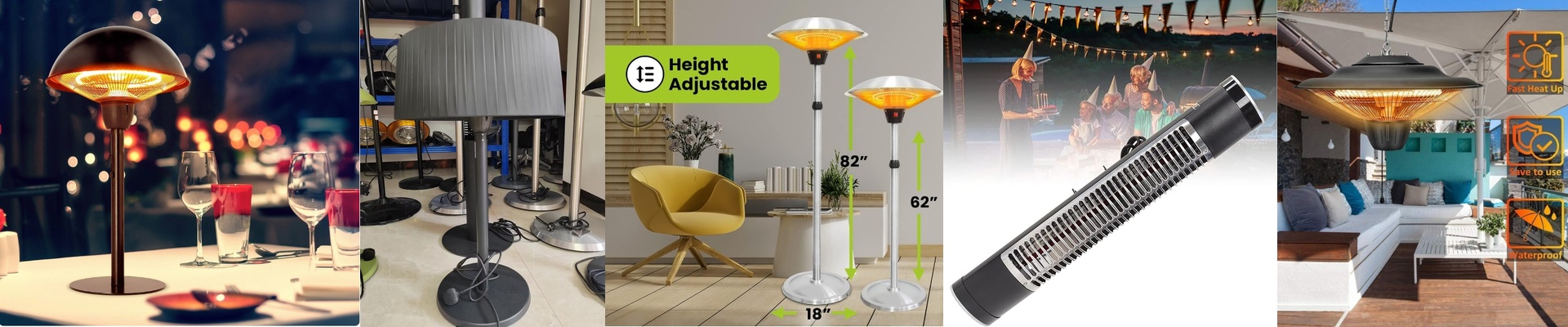
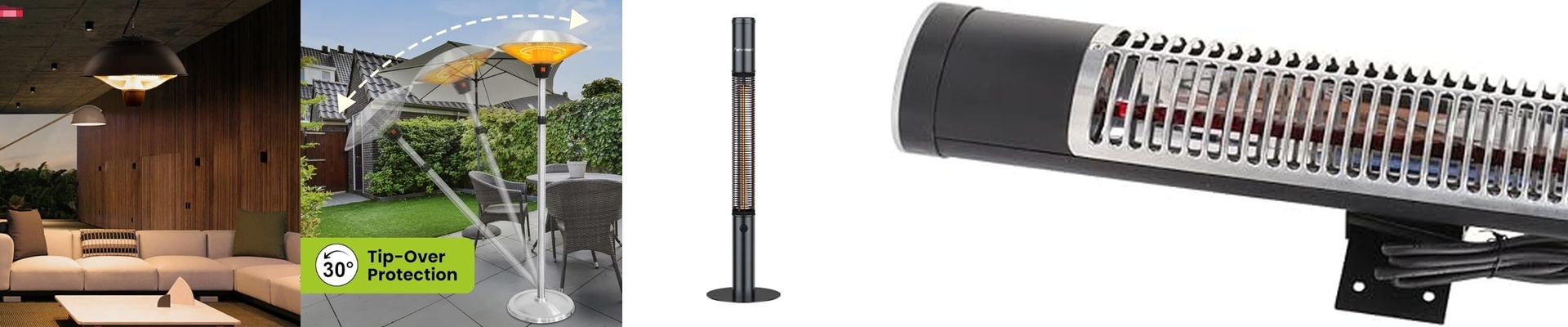
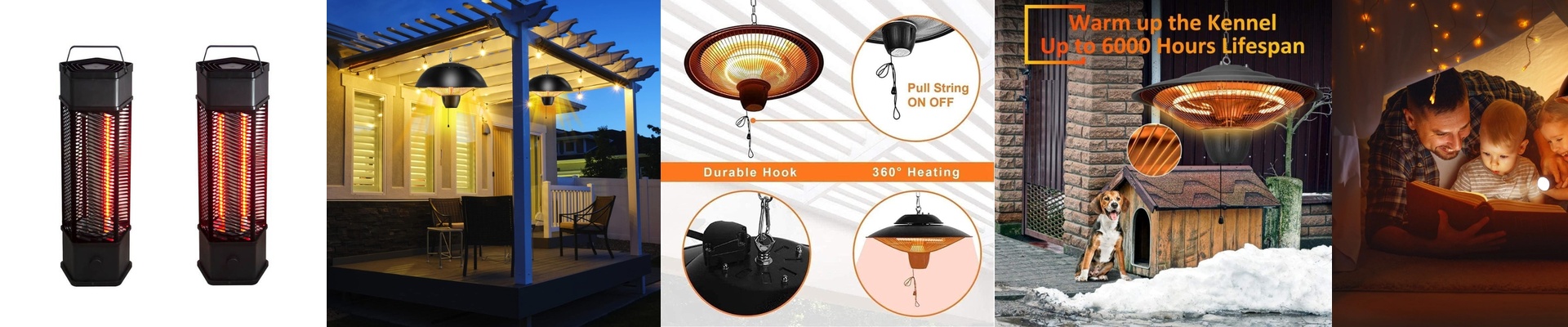
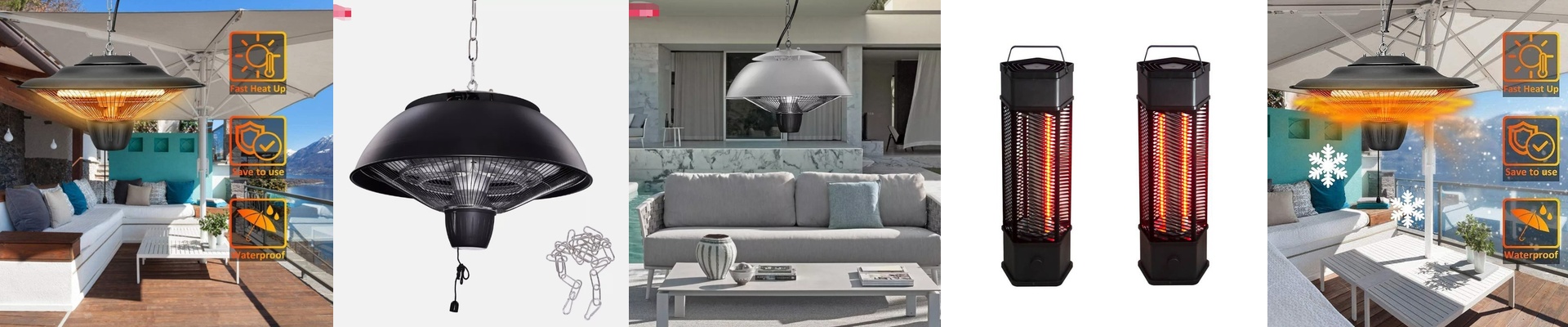
Our wall-mounted infrared heaters lean on medium-wave quartz elements to deliver radiant warmth straight to people, floors, and furniture. A 1.5 kW unit puts out 5,100 BTU/h, enough for about 150 sq ft, and pulls just 13 A on a standard 120 V circuit. They mount flush to the wall, so you keep floor space open and walkways clear. Each unit is IP34-rated—no sweat with dust or splashing rain—and the built-in thermostat holds temperature without constant cycling.
Why this fits municipal work
Municipal buildings tend to run partial occupancy. Meeting rooms sit empty for hours. Hallways get used in short bursts. Infrared heat comes on instantly, warming only the occupied zone, and shuts off just as fast. Over a heating season, that on-demand approach can trim energy use by 30–50% compared with central boilers that hold the whole building at one temperature. Maintenance also drops. Quartz elements hold up past 5,000 hours with less than 5% output loss—meaning fewer service calls and fewer ladders in busy lobbies.
The details that make the difference
Plan the layout with line-of-sight in mind. Radiant warmth only reaches what it can “see.” And because these are electric heaters, confirm the circuit can handle the total load before you order. Once the wiring is set, the units go up in minutes—and the savings start the first cold snap.