Mini Space Heater: 400V 2500W Halogen Tube with R7s Connector
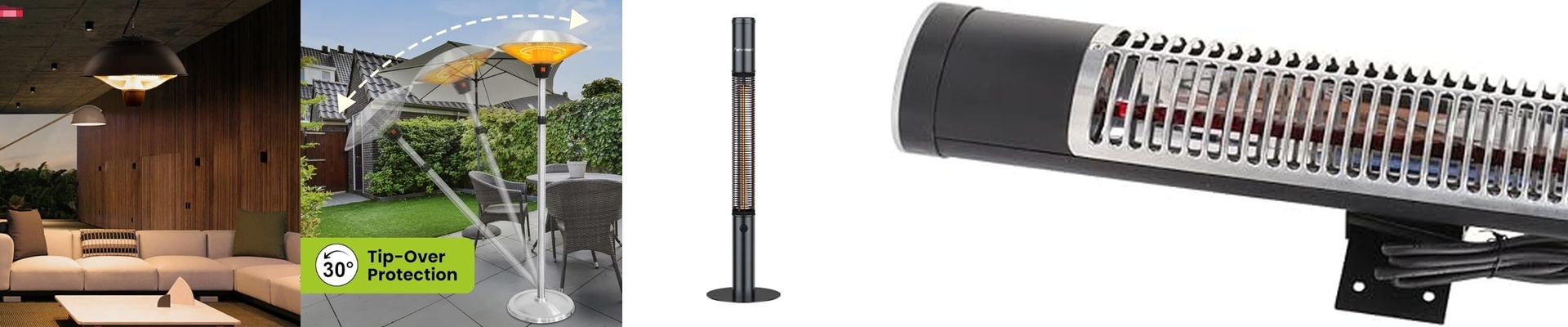
Picture this: you’ve got a tight spot on the plant floor that’s freezing cold, and a regular heater just won’t cut it. That’s where this little powerhouse comes in. We built this mini heater to be a compact beast. It’s all about cramming serious heat into a tiny footprint. At its heart is a 300mm halogen infrared tube, cranking out 2500W of pure, focused warmth from a 400V supply. The whole idea? To get intense heat where you need it most, in places you couldn’t even dream of putting a standard heater.
Why it works so well
Here’s the thing about the 400V rating. It’s not just a random number. We chose it so you can plug this heater straight into your industrial power lines. No need for extra transformers at every single station. You wire it up once, and you’re set. It just delivers stable, reliable heat, over and over again. And that 2500W output packed into a 300mm tube? That means serious heat density. It fires up almost instantly and recovers fast. This isn’t some gentle, low-temp heater for warming your toes. This is a tool. A tool that keeps your processes moving without skipping a beat.
What’s inside
We use a quartz tube filled with halogen gas. Why? Because it keeps the filament clean, even when it’s running hot. That means the heat output stays steady over time. The halogen cycle inside fights off blackening, so the lamp holds its performance. No fading. No surprises. And the R7s connector? It’s a simple, two-pin design that snaps right in. No fuss. It carries the current cleanly and is built to handle the bumps and vibrations of the plant floor. Plus, it’s tough enough for when you need to swap the lamp out again and again.
Where it shines
Think of this as the go-to solution for those cramped spaces that demand a lot of heat. We’re talking machine enclosures, small drying tunnels, or any spot that needs localized heating. If you’ve got an existing setup that uses R7s, this is a straight swap. Just plug it in and go. Now, a heads-up: with that kind of power packed into a small space, you need to make sure there’s decent airflow around the target area. It’s a trade-off for the intensity. Proper heat management keeps everything running smoothly and prevents components from overheating.